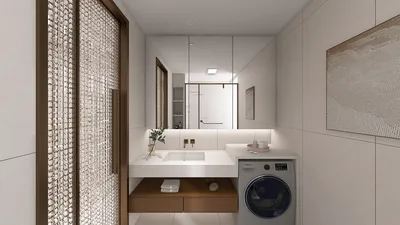


Transforming a living room with decorative flower pots enhances not just the ambiance but also influences overall comfort. These planters can soften harsh lines and create a dynamic flow in the space. Additionally, research indicates that incorporating biophilic elements, such as plants, significantly boosts well-being and productivity—something recognized by studies from Steelcase, which suggest that environments that prioritize health improvement directly impact engagement levels. The WELL v2 guidelines further highlight the importance of plants for enhancing indoor air quality and connecting occupants to nature, demonstrating tangible benefits for reducing stress and enhancing comfort levels.
Choosing the right colors and placements is crucial. Insights from Verywell Mind on color psychology show that shades of green and blue evoke calmness, while yellows infuse energy into a room. This knowledge should guide your selections for pot finishes and types of foliage. When arranged thoughtfully, planters can clear visual clutter and pave clear pathways, as noted in Herman Miller’s findings that organized spaces amplify task effectiveness and lessen cognitive distractions. You can apply these principles to your living room layout, using plants as subtle indicators of spatial boundaries, potentially integrating tools like Homestyler for visual planning.
Assessing the Room: Volume, Proportion, and Movement
Begin with an assessment of the room's dimensions and how movement flows within it. Utilize tall decorative pots (18–30 inches) in corners or beside media units, while medium-sized planters (12–18 inches) can bring balance to seating arrangements and sideboards. On the other hand, smaller pots (4–8 inches) can adorn shelves or coffee tables without obstructing sightlines. Ensure a minimum of 30–36 inches for clear passage through main traffic areas. If you’re exploring various layouts, a design simulation tool like Homestyler can help visualize where planters fit in relation to seating and storage, all while maintaining a free-flowing environment.
Illumination First: Aligning Plants and Pot Finishes with Light
The availability of light is critical for plant vitality and the visual reception of pot finishes throughout the day. The Illuminating Engineering Society suggests living areas should maintain an ambient light level of 100-300 lux; thus, pairing low to medium light-tolerant plants, such as ZZ or snake plants, with matte pots helps lessen glare. In brighter spaces, semi-gloss ceramic can provide a striking accent, but it’s essential to manage reflections, especially near screens. Aim for warm-white lighting in the range of 2700-3000K to enhance the appearance of both foliage and natural materials, strategically placing pots to create depth rather than glaring hot spots.
Exploring Color Psychology: Setting the Mood with Pot Finishes
The colors you select undoubtedly influence how a space feels. Earth tones, including terracotta, sand, and olive, ground a room and impart a cozy vibe. Softer shades like grey and chalky white brighten the area, making it airier. A careful selection of accent colors, such as teal, mustard, and rust, energizes decorations; repeating a single bold shade across two or three pots creates harmonization. For guidance, refer to Verywell Mind’s color psychology insights, adjusting your palette according to natural light conditions: warmer finishes work well in cooler northern light, while brighter southern light can support cooler hues without diminishing warmth.
Choosing Materials: Terracotta, Ceramic, Metal, and Eco-Friendly Options
Terracotta is ideal due to its breathability, promoting healthy root development while offering a classic aesthetic that suits Mediterranean or rustic designs. Glazed ceramic provides color accuracy and facilitates easier maintenance, making it suitable for contemporary or coastal interiors. For durability and a modern look, powder-coated metal can be utilized; just remember to include felt pads to protect flooring. To embrace sustainability, consider pots made from recycled materials like plastic or composites of cork and bamboo, which help manage humidity and are lighter for repositioning during seasonal changes. Match pot weight with the size of the plant to prevent tipping in busy households.
Enhancing Acoustic Comfort: Reducing Echoes and Managing Sound
In spaces characterized by hard surfaces, greenery and porous pots can effectively mitigate sound reflection. Utilizing dense-leaf species, like rubber plants or fiddle-leaf figs, in proximity to reflective surfaces can soften auditory harshness without adding significant bulk. Arranging three medium planters at varying heights can create a subtle acoustic barrier near entryways or in open-concept areas, improving sound quality and providing an intuitive zone division.
Human Considerations: Height, Reach, and Upkeep
For tabletops, keep pots below 10 inches to maintain visual lines. For floor pots, ensure they are within an arm's reach for convenient watering—aim for a height of about 20-24 inches from seating edges to avoid spills. Use saucers with soft bases made from felt or cork to protect flooring and absorb small vibrations. Tailor your plant care routine to the needs of each species and their light exposure; low-light plants tend to need less watering, thus alleviating the maintenance demands on busy households.
Creating Spatial Rhythm: Grouping, Repeating, and Balancing Visually
An engaging layout often features odd numbers of planters (3 or 5), which create a more appealing rhythm compared to pairs. Incorporate various pot heights using a ratio of 1:1.6 (small to large) to establish a vertically balanced appearance. Repeating one material or color throughout the room—like terracotta seen at both the hearth and the bookshelf—helps weave a continuous narrative. A singular tall statement pot can effectively balance a sizable sectional, while two medium pots can enhance a long console table without overcrowding the surface.
Placement Choices for Various Living Room Styles
For a modern minimalist style, consider a tall sculptural pot in one corner, complemented by two small matte-white tabletop pots. In a mid-century decor, opt for warm terracotta pots on tapered stands paired with leafy plants that soften the furniture's geometry. For a bohemian vibe, layer textures with woven baskets over nursery pots alongside glazed ceramics and cork at different heights around lounge chairs. Scandinavian designs benefit from pale ash wood stands and muted green palettes, preserving a sense of lightness.
Safety, Pets, and Essentials
In homes with pets or young children, selecting wide-base pots and non-toxic plant varieties, such as parlor palms or calathea, is advisable. Avoid placing sharp-edged metal containers in play areas. Consider utilizing plant risers or stands to elevate pots, keeping foliage out of reach while maintaining visual consistency. Ensure that drip trays are sufficiently deep to capture excess water while remaining discreet to uphold a clean aesthetic.
Seasonal Rejuvenation: Quick Changes to Refresh the Room
Changing pot covers and repositioning a key planter according to the season can dramatically alter the room's atmosphere without the need for new furniture. In spring, introduce light ceramic pots with trailing vines by windows. Summer may call for vibrant accent pots and upright plants for added height. Autumn is perfect for the warm hues of terracotta and bronze glazes, countering cooler light, while winter can feature deep greens in matte pots alongside textured throws, focusing plants where you spend your evening hours.
Investment and Value: Prioritizing Where to Spend
Aim to invest in a few statement pots with resilient finishes and appropriate liners; they have the visual impact and durability to withstand time. Economize on filler pots by selecting simple matte options that blend into the backdrop. Enhance the overall appearance with coordinating saucers and stands—these small details can refine the composition and protect your flooring.
Frequently Asked Questions
To stabilize and enhance aesthetics, use a tall planter (18-30 inches) with a steady base to anchor corners without hindering movement.
For optimally balanced lighting, in rooms around 100-300 lux, select matte finishes to diminish glare and flatter plant foliage. Bright rooms may benefit from semi-gloss ceramics; warm-white bulbs set at 2700-3000K are ideal for a cozy glow.
Calming shades of greens and soft blues create a peaceful atmosphere, while muted earth tones ground the interior. Introduce vibrant accents sparingly for effective balance.
Terracotta is a suitable choice as it supports airflow and healthy roots, featuring a warm texture. Just pair it with liners for moisture management and floor protection.
Typically, groups of three are most visually appealing. Use height variations following a small-to-large ratio of around 1:1.6 for a lively yet harmonious design.
Plant life and porous materials disperse sound effectively, softening echoes in hard-finished spaces. Positioning dense-leaf varieties by reflective planes can lead to palpable sound reduction.
Select broad-base pots for stability and choose non-toxic species, such as parlor palms or calathea. Elevate plants on stands to prevent access from pets or young children.
Utilizing an interior layout planner like Homestyler aids in visually arranging the planters against furniture and pathways, helping ensure clear access and balanced sightlines prior to finalizing choices.
Not precisely. Maintain one repeating material or color across the room for unity, but vary the height and shape to maintain visual interest and rhythm.
Seasonal adjustments—swapping out pot covers and moving key planters—keep the living area feeling fresh without necessitating significant expenditures.
Homestyler is your go-to online platform for home design! With its user-friendly design tool, stunning 3D renderings, and valuable video tutorials, you can effortlessly create and visualize your dream space. Start your interior design journey today and unleash your creativity with Homestyler!
立即免费设计
































