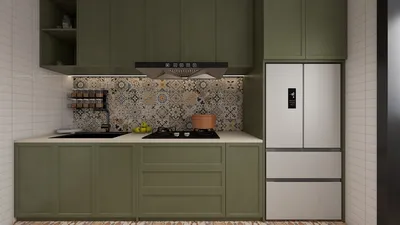


The living room serves as the emotional core of a home, and well-designed 3D walls can enhance that ambiance through texture, depth, and illumination. I perceive these surfaces as functional art, striking a balance between aesthetics, acoustics, durability, and ease of maintenance. Research from Steelcase indicates that multisensory environments can foster a sense of well-being and engagement, meaning that in a home, using layered materials and thoughtfully designed lighting contributes to more than mere decoration. The WELL Building Standard emphasizes the importance of glare control and balanced lighting for visual comfort, making the synergy of light and texture on a 3D wall essential for a harmonious living space. Integrating tools like Homestyler can be instrumental in achieving this balance.
The psychology of color is as significant as the geometry of the space. Research by Verywell Mind highlights that warm neutrals promote a cozy atmosphere, while shades of blue can evoke calmness and clarity. By carefully selecting color palettes that incorporate relief patterns, we can prevent wall designs from being overwhelming. My projects demonstrate that rooms with a low-gloss finish and a warm light spectrum of 2700-3000K create an inviting environment, whereas cooler lighting in the range of 3500-4000K emphasizes details for a sleek modern aesthetic. To manage the interplay of light and shadow, I follow IES guidelines to mitigate high-contrast glare through the use of diffuse lighting or creative grazing angles.
Enhancing the Living Room with Dimension
3D walls add a tactile focal point that evolves with the day's light. I focus on three key factors: pattern scale, tactile materials, and the direction of light. Large relief patterns are ideal for spacious areas, while finer micro-textures are suited for smaller rooms to minimize visual clutter. If your design involves fluid furniture arrangements or aims for multiple viewing angles, consider a central feature that aligns with the primary sightlines from seating areas, and an accent wall that interacts with afternoon sunlight to create dynamic shadows.
Sculpted Plaster and Gypsum Reliefs
Plaster provides seamless curves and organic shapes that warm up more angular spaces. I often specify dense gypsum or lime-based mixtures for defined edges and long-lasting durability. Opting for a matte or velvet finish can enhance shadow variations, while high-gloss should be reserved for minimal motifs. For improved acoustics, undulating profiles can slightly diffuse sound, facilitating clearer conversations, especially when paired with soft furnishings. It’s advisable to incorporate dimmable lighting sources at 15-30 degrees to highlight the relief while avoiding glare, aligning with IES recommendations for luminance.
Wood Slats, Ribs, and Parametric Panels
Timber slat arrangements introduce rhythm and warmth to the space. Vertical ribs enhance perceptions of height, while horizontal slats work well in narrower rooms. In open-concept areas, I often use varying widths and strategic gaps to manage sound reflections while maintaining a light aesthetic. Choosing sustainably sourced oak, ash, or walnut veneers ensures durability and stability in color. A satin finish allows for grain visibility. Concealed linear LED lights positioned behind the slats create an ambient glow; keeping the color temperature around 3000K in living zones helps maintain a cozy feel.
Stone and Porcelain Relief Tiles
Textured stone or porcelain tiles provide durability in high-traffic living areas. Chiseled limestone offers rustic charm, whereas geometric porcelain tiles contribute a modern look. I aim for mid-scale patterns that complement the room’s proportions—too fine looks cluttered, while overly large patterns may dominate the space. Sealing natural stone facilitates upkeep, and aligning grout lines with furniture or window edges can create a cohesive spatial rhythm.
3D Acoustic Panels and Fabric Relief
Many overlook the essential aspect of acoustic comfort in living rooms. Molded PET felt or upholstered panels can add depth while absorbing mid- to high-frequency sounds, thus alleviating the harshness of television noise and conversation fatigue. Selecting sculpted modules featuring 30-50 mm relief ensures effective sound diffusion. Color psychology plays a role here; muted greens and soft neutral tones bring a sense of calm without overshadowing the overall palette. Combining these elements with plush rugs and curtains completes the acoustic environment.
Concrete, Microtopping, and Textural Minimalism
Minimalistic spaces can also benefit from understated 3D textures. Techniques such as board-formed concrete impressions, microtopping with combed patterns, or troweled stucco provide subtle relief. Maintaining intentional pattern repetition enhances visual harmony, especially when echoes architectural lines like focal points or shelving. Textures can be softened with warm timber furnishings or fabric art to avoid a stark appearance.
3D Wallpaper, Panels, and Modular Systems
For those seeking flexibility, removable 3D wallpapers or lightweight modular panels are ideal. These options allow for seasonal updates and are rental-friendly. Selecting materials with low-VOC certifications and pairing them with peel-and-stick LED grazers creates a reversible lighting solution. When combining modules, ensuring consistent reveal dimensions will help avoid visual clutter.
Illuminating the Feature: Grazing, Washing, and Accent Control
Lighting plays a vital role in highlighting any 3D wall. Typically, I incorporate three layers: a gentle wash for overall visibility, a controlled graze for adding drama through shadows, and focused accents for highlighting artwork or shelves. Employing dimmers allows for adjustment from bright daytime lighting to softer evening ambience. Proper placement of fixtures is crucial to avoid glare—keeping downlights off the central viewing angles and opting for asymmetric wall washers or linear grazers instead. In the evening, a warmer 2700K light fosters intimacy, while 3000-3500K is ideal for social gatherings.
Color, Contrast, and Visual Balance
While high-contrast 3D walls can be striking in images, they may overpower a space during daily use. I prefer to achieve balance with medium contrasts—like soft taupe relief against warm off-white ceilings or deep navy limited to a single panel. The remainder of the decor should counterbalance this with lighter fabrics, rounded forms, and natural textures to ease visual heaviness. Understanding color psychology, soothing shades of blue and green promote tranquility, while terracotta and mustard energize a room. I reserve bold hues for simpler relief designs and opt for soft tones on more intricate patterns.
Material Selection and Longevity
Living rooms are high-touch areas. I choose robust finishes that are easy to clean—options such as sealed stone, washable paints, or pre-finished slats. Considering the edge conditions where pets and children may interact, rounded profiles can help minimize damage. Sustainability is also crucial; I prefer engineered woods with sustainable cores, recycled PET for acoustics, and low-VOC adhesives to ensure good indoor air quality.
Planning the Layout and Viewing Angles
Start by mapping out your seating arrangements and sightlines. The feature wall should align with the key views from the sofa and entryway. If you’re experimenting with design, utilizing a layout simulation tool like Homestyler aids in evaluating proportions, spacing, and focal points before actual construction.
Design Ideas to Explore Now
Curved plaster waves paired with 3000K linear grazers and a soft matte finish—it’s both calming and modern.
Using alternating depths in slats along with hidden backlighting creates a moody lounge atmosphere, complemented by textured rugs for enhanced acoustics.
Mid-size diamond or hexagonal relief patterns, grout-matched for a seamless appearance—perfect for contemporary apartments.
Upholstered modules in muted tones arranged in a gentle topographical layout are ideal for walls facing the TV.
Subtle horizontal grooves that echo architectural features, layered with warm timber and greenery for added comfort.
Practical Tips and Common Pitfalls
When the wall design is bold, maintain restraint in the rest of the room to prevent visual conflict. Be mindful of maintenance; dust can accumulate on deeper reliefs, so select finishes that are easy to keep clean. Avoid placing direct intense lighting in the viewer's line of sight to prevent hotspots and fatigue. Always test sample boards in your actual lighting conditions before finalizing decisions, as the interplay of color temperature and texture can be surprising.
References and Research
For more insights into visual comfort and transitioning from workplace to home environments, refer to Steelcase’s research on human-centered design and the WELL Building Standard’s lighting guidelines. Visit steelcase.com/research and v2.wellcertified.com for more information.
FAQ
Ensure that the relief pattern is proportionate to the room dimensions: larger motifs are best for expansive walls, while finer textures are suited for smaller areas. Aim for a design that is visually comprehensible from your primary seating position without adding visual chaos.
Combine a soft wall wash with controlled grazing techniques, opting for dimmable fixtures and temperatures between 2700-3000K during the evening for a warm atmosphere. Prevent glare by angling the lights and utilizing diffusers effectively.
While relief patterns can provide slight sound diffusion, for a more significant impact consider complementing with acoustic panels, textiles, and rugs designed to absorb mid-high frequencies.
Both porcelain relief tiles and sealed stone can be cleaned easily; however, wood slatted walls will require regular dusting and occasional oiling, whereas plaster walls need careful cleaning and durable paint finishes.
High saturation colors on intricate reliefs can become overwhelming. It’s advisable to use bold hues on simpler designs or to restrict intense colors to a portion of the wall for a balanced look.
Align the feature wall with the key sightlines from seating and entry points. Use digital planning tools to experiment with placement and scale prior to executing your design.
A warm lighting range of 2700-3000K creates coziness, while 3500-4000K enhances detail for contemporary settings. Use dimmers to adjust the ambiance throughout the day.
Consider removable 3D wallpapers or modular panels that utilize low-VOC adhesives. Pair these with peel-and-stick LED options for a lighting setup that can be easily altered.
In cases of very dense reliefs, it is possible to create a feeling of heaviness. Opt for medium-scale patterns and lighter hues, using vertical lines to accentuate height as necessary.
Utilize diffuse lighting fixtures, angle lights to graze rather than strike front-on, and maintain balanced luminance ratios following the best lighting practices.
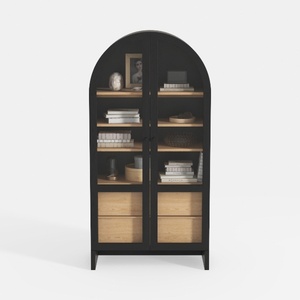
Wood Bookshelf with Adjustable Shelves, 72" Tall
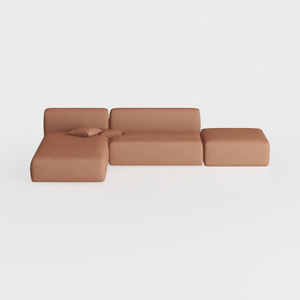
Minimalist Brown Fabric Modular Sectional Sofa 3D Model

Minimalist Solid Wood Linen Armchair with Throw Pillow 3D Model
Homestyler is your go-to platform for all your home design needs! Its user-friendly online design tool allows you to create stunning spaces effortlessly, while the extensive 3D rendering and diverse design projects inspire your creativity. Plus, the helpful DIY video tutorials make home designing a breeze!
Zaprojektuj teraz za darmo
































