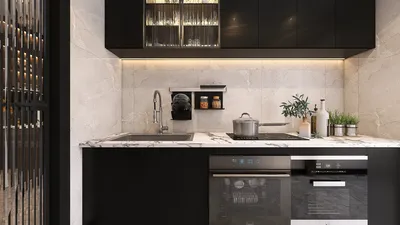


Combining coral and gray creates a living room that is both inviting and sophisticated. The vibrant warmth of coral brings energy to the subtle tones of gray, while gray provides a calming foundation to the overall color scheme. In several recent home design projects, this color pairing has enabled me to cultivate social areas that elevate spirits, reduce visual clutter, and adapt beautifully throughout the year.
The effect of color on our feelings and interactions is significant. Studies in color psychology suggest that warm tones like coral, which belong to the red-orange spectrum, can enhance energy levels and promote sociability. On the other hand, cool neutrals such as gray help reduce visual distractions and clarify spatial perception. As backed by Verywell Mind’s insights, this aligns with behavioral responses. Additionally, insights from workplace studies can be applied to residential spaces; the Gensler U.S. Workplace Survey found that environments balancing stimulation with focus yield better experiences, a principle I have effectively applied in living rooms that incorporate vibrant coral with the calming influence of gray.
The management of lighting is another crucial factor that influences the aesthetic. According to WELL v2 guidelines, controlling factors like glare, color rendering, and light intensity can enhance the ambiance. It is vital that coral appears rich and welcoming while ensuring gray maintains a textured appearance rather than looking flat. For optimal ambiance, target a color temperature of 2700–3000K for evenings and 3500–4000K for daytime clarity, while using varied light sources to diminish stark contrasts and visual fatigue. By consistently applying these color and lighting principles, you create spaces that feel emotionally uplifting yet physically cozy.
Palette Design: Effectively Using Coral and Gray
I begin by determining the proportions for the colors in the space: approximately 60–70% gray for walls and large furniture, 20–25% coral through textiles and artworks, and 10–15% for metallic or wooden accents such as brushed brass or walnut. It’s essential to choose a gray with undertones matching your room's lighting: opt for a warm greige in north-facing rooms or a cooler neutral in south-facing setups to avoid overwhelming warmth. My preference for coral leans towards muted, sun-drenched shades, such as terracotta-coral or salmon-coral, as these tones transition gracefully through changing daylight.
Design Principles for Living Room Layouts
Before selecting decorative elements, establish a clear flow in the room. Identify key zones—such as conversation, media, reading, and circulation—and select a focal point. In elongated spaces, arrange seating around a rug to create a defined conversation area, ensuring at least 36 inches for unhindered movement. If you’re experimenting with furniture arrangements, utilizing a room layout tool can simulate traffic flow and sightlines in just a few minutes, helping visualize your design: room layout tool.
Textiles and Layers: Enhancing the Design
Coral is especially effective in textiles. For instance, I incorporate coral velvet cushions on a medium-gray sofa to create immediate visual contrast, complemented by a patterned rug featuring coral accents that extends the color scheme across the floor. Aim for a diverse texture balance: materials like boucle or linen on gray furniture ensure warmth, while a coral mohair throw adds an inviting tactile element. Establish a careful rhythm with a mix of solid colors, small-scale patterns, and a standout motif to keep the visual interest without overwhelming the senses.
Wall Treatments and Focal Points
Using gray for walls provides a serene backdrop; introducing a single coral accent wall or a color-blocked section can serve as an eye-catching focal point without being too dominant. In spaces that receive abundant natural light, painting the wall behind the main seating area coral can enhance social interactions. Conversely, in darker rooms, it is advisable to maintain gray walls and infuse coral through artwork, mirrors with tinted finishes, or sculptural lighting to avoid heaviness in the color scheme.
Lighting Techniques: Achieving Warmth without Glare
Incorporate layered lighting—ambient sources like ceiling fixtures, task lighting such as floor lamps, and accent lights like sconces or picture lights. It is important to create gentle brightness gradients to minimize glare; adhering to WELL guidelines regarding glare management certainly plays a role here, and using high CRI (90+) light bulbs will preserve the subtle tones of coral. Dimming fixtures are excellent as they adapt the lighting from a lively daytime vibe to a cozy evening atmosphere, allowing coral to transition from bright to mellow while gray remains constant.
Furniture Selection and Ergonomic Considerations
Prioritizing comfort is key. Aim for seat heights between 17 and 19 inches and keep coffee tables lower than adjacent seating (1–2 inches) for optimal reach. A sleek gray sofa can serve as the room’s anchor, while a coral accent chair adds personality and flair to the space. If a media wall is part of the layout, ensure the primary viewing distance is approximately 1.5 to 2.5 times the diagonal size of your screen to reduce eye fatigue and maintain a sense of intimacy during conversations.
Material Choices and Sustainability
Opt for materials that are durable and feature low-VOC finishes to enhance air quality in the room. I prefer natural fibers like wool, linen, and cotton for coral textiles, while opting for performance fabrics for gray upholstery—especially in high-traffic areas. The warm tones of walnut and brushed brass harmonize beautifully with coral, whereas oak and blackened steel pair effectively with cooler gray shades. When young children or pets are present, consider washable slipcovers or stain-resistant options for easier maintenance.
Enhancing Acoustic Comfort and Balance
While color significantly influences mood, acoustic comfort dictates the level of enjoyment people find in a space. Incorporate extra textiles—such as area rugs, curtains, and upholstered furniture—to help absorb sound frequencies. Bookshelves and textured wall panels not only diffuse noise but can also serve as surfaces for color displays. In smaller spaces, thick curtains and soft rugs effectively mitigate echo and create a more pleasant acoustic experience.
Art, Accessories, and Stylish Décor
Aim for intentional splashes of coral through art and accessories—think abstract pieces or ceramic items—rather than distributing small bits of color throughout the room. Group decorative items in odd numbers and mix matte and glossy finishes to create visual depth. Keep the foundational gray varied with different materials—like stone, paint, and textiles—to avoid a monotonous appearance. Adding plants can also beautifully connect coral and gray, introducing natural tranquility into the space.
Seasonal Adaptability and Ongoing Maintenance
Flexibility can be achieved by swapping out textiles according to the season. In warmer months, lighten coral tones to a peach hue paired with airy gray linens, while winter may call for deeper coral shades nearing persimmon, complemented by charcoal gray with heavier fabrics. Maintaining the palette is simple through rotating pillow covers, refreshing throws, and continued attention to consistent color temperatures in lighting to prevent any shift in hue perception.
Favorite Coral and Gray Combinations
- Coral velvet cushions paired with a mid-gray linen sofa and walnut coffee table
- Salmon-coral armchair set against pale gray walls with brass picture lights
- Terracotta-coral rug accompanying a charcoal sectional with blackened steel shelving
- Coral abstract artwork against greige walls with an oak sideboard
FAQ
Q1: What is the ideal amount of coral to use in a living room?
A: Aim for coral to make up around 20–25% of the room’s visual field. Use gray for larger surfaces, with coral introduced through textiles, a feature wall, and selected art pieces to maintain a harmonious balance.
Q2: Which undertone of gray complements coral best?
A: Warm grays (greige) pair wonderfully with earthy coral tones, while cooler grays nearly match with lighter shades like salmon-coral. Always test color swatches in both natural and artificial light to see how undertones shift before making your choice.
Q3: What lighting temperature best flatters both coral and gray schemes?
A: For evening warmth, target a temperature range of 2700–3000K, and during the daytime, 3500–4000K will ensure clarity. High CRI (90+) bulbs are ideal for maintaining the depth of coral while ensuring gray stays true without any unwanted hues.
Q4: Is it possible to use coral on a large sofa?
A: Absolutely, if the room is well-lit and has neutral walls. In smaller or dim spaces, it's generally safer to place coral on accent chairs and in textiles, keeping the main sofa in gray to retain balance in the color scheme.
Q5: How do I effectively plan the layout to avoid clutter?
A: Position seating around a rug to highlight the conversation area, maintain 36 inches of clear pathways, and align focal points with sightlines in mind. Utilizing a room layout simulation tool can aid in assessing furniture configurations: layout simulation tool.
Q6: What materials pair well with coral and gray?
A: Materials such as walnut, oak, brushed brass, and blackened steel work in harmony with both colors. Opt for breathable natural-fiber textiles and durable performance weaves for upholstery. Also, choose low-VOC finishes to ensure good air quality.
Q7: How can I enhance acoustic comfort in my living space?
A: Layer textiles, like rugs and curtains, and incorporate bookshelves or textured wall panels to help diffuse sound. This approach effectively reduces echo and keeps conversations enjoyable.
Q8: Could coral be too vibrant for a serene living area?
A: Not if it’s harmoniously paired with gray and well-managed lighting. Warm tones can boost social dynamics, while gray anchors the space. Dimming options allow the atmosphere to shift from vibrant social times to cozy evenings.
Q9: What types of art complement a coral and gray color scheme?
A: Look for abstract pieces featuring coral accents, black-and-white photographs to contrast against gray, or nature-inspired prints that seamlessly blend greenery with the color palette.
Q10: How do I maintain seasonal consistency in my color scheme?
A: Change the weight of your textiles and modify the saturation of coral—lighten it in warmer months and deepen it in colder seasons—while keeping gray as a steady foundational element. Re-lamp with consistent color temperatures to avoid any drifts in hue throughout the year.

Minimalist Modern White Open Bookshelf Display Shelf 3D Model
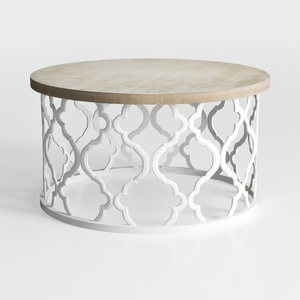
Modern Solid Wood Top White Metal Moroccan Pattern Round Coffee Table 3D Model

Minimalist Modern White Fabric Large Sofa 3D Model
Homestyler is your go-to online home design platform! With its user-friendly design tool, stunning 3D renders, an extensive collection of design projects, and helpful DIY video tutorials, you can easily create and visualize your dream spaces, regardless of your experience level. Give it a try!
Design Now for FREE
































