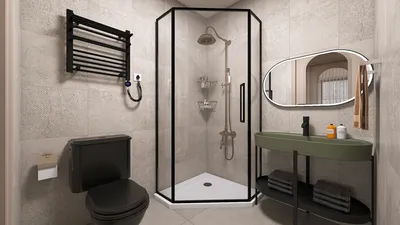


A well-designed jhula can elevate any living room, providing a soothing tactile experience, serving as a captivating focal point, and offering a versatile seating option that draws in guests. I strive for a harmonious blend of structural reliability, ergonomic comfort, and authentic materials suitable for everyday use. Research in workplace settings shows that varied seating options can enhance perceived comfort; findings from Steelcase highlight how changing postures supports focus and wellbeing, which is equally beneficial in residential spaces, as a swing encourages gentle movements while ensuring relaxation. The WELL v2 standards also prioritize human comfort through motion, acoustics, and material quality, which directs my choices and placement of a jhula to improve daily experiences.
To ensure proper scale and safety, I begin by establishing measurable criteria. Standard seating heights for adults typically range from 16 to 18 inches, and an adequately suspended jhula requires approximately 36 to 40 inches of clearance between the seat and ceiling to prevent any headroom issues. In terms of load capacity, a conservative residential guideline suggests accommodating 2 to 3 times the anticipated occupancy weight; while these standards can differ, workplace furniture benchmarks (such as those from Herman Miller and Steelcase) unanimously emphasize safe load distribution and redundancy in suspension systems. Lighting is also crucial: the Illuminating Engineering Society (IES) recommends about 150 to 300 lux for living spaces—steer clear of direct glare in the sightlines of the jhula and target the warm spectrum of 2700 to 3000K for ambient lighting that fosters a cozy atmosphere.
Understanding color psychology can enhance the ambiance surrounding a jhula. Research from Verywell Mind shows that warm shades (like terracotta, mustard, and russet) create an inviting and stimulating environment, whereas gentle greens and blues induce a calming effect. Practically, I prefer to combine neutral upholstery with vibrant accent cushions to give the swing a timeless look; the choice of wood or metal finishes acts as a visual anchor, while textile elements allow for seasonal refreshes without the need for a complete redesign.
Selecting the Ideal Type of Jhula
I categorize living room jhulas into four primary styles: classic wooden bench swings, artisan swings made of cane or rattan, upholstered hanging seats, and sleek metal-framed options. Wooden bench swings embody traditional charm and robust load capabilities, making them perfect for larger spaces with classic craftsmanship. Cane and rattan varieties offer airy comfort and visual lightness, ideal for bohemian or tropical aesthetics. Upholstered hanging seats provide lounge-like comfort, though they require meticulous attention to their suspension details. Metal-framed designs complement modern interiors with their clean lines and low maintenance needs.
Choosing Materials with Sustainability in Mind
High-quality hardwoods such as teak, white oak, or ash serve as dependable materials for jhula frames; teak is resilient against humidity and wear, while white oak boasts a sharp grain that fits contemporary decor. For cane, it's essential to focus on tight weaves and kiln-dried frameworks to mitigate sagging over time. When it comes to upholstery, performance ratings are vital: seek fabrics with abrasion resistance over 30,000 double rubs and removable covers for simplified maintenance. Opting for low-VOC finishes aligns with the WELL v2 ethos of promoting air quality. For metal components, powder-coated steel or aluminum are great choices, providing scratch resistance and enabling slender profiles without sacrificing strength.
Ergonomics: Assessing Seat Depth, Back Angle, and Arm Support
An optimal seat depth for a jhula should range from 18 to 21 inches, accommodating both sociable seating arrangements and relaxed lounging. A gentle back angle between 100 to 105 degrees helps alleviate lumbar strain; incorporating a small lumbar cushion can personalize this support. For armrests, positioning them 8 to 10 inches above the seat height ensures convenience without hindering entry and exit. I often specify softly rounded front edges to minimize pressure on the thighs.
Ensuring Load, Suspension, and Mounting Safety
Always mount into structural components like ceiling joists or beams rather than drywall. Aim for a two-point suspension system with properly rated hardware (such as eye bolts, heavy-duty chains, or marine-grade ropes), and confirm that fasteners meet a minimum working load exceeding your maximum expected live load. If there’s uncertainty regarding your ceiling structure, consult a qualified contractor. It's crucial to monitor for oscillation: a jhula that swings too freely might collide with nearby furnishings. Control the swing’s arc by positioning its centerline away from high-traffic paths and securing the chains with spacers or spreader bars.
Optimal Placement and Circulation for the Jhula
Position the jhula to frame attractive sightlines, ideally facing a window or a striking feature wall, while maintaining a 30 to 36 inches clear passage around its resting area. In smaller living spaces, consider placing the jhula near the coffee table rather than against a wall; this fosters conversational zones while allowing the swing to act as an artistic seating option. If you’d like to experiment with layouts before installation, using a room planner tool can help simulate the swing’s arc and circulation patterns.
room layout tool
Lighting Considerations Around the Jhula
Layer ambient lighting through a dimmable floor lamp or a glare-controlled pendant positioned off to the side rather than directly overhead. Ensure task lighting is below the eye level of seated users to minimize annoying reflections. Warm lighting from 2700 to 3000K creates a sense of intimacy, while a subtle 3500K accent can accentuate the beauty of wood grains or cane weaving. If the jhula is located near windows, opt for sheer drapery to limit midday glare while maintaining clear sightlines.
Acoustic Comfort and Sound Management
Jhulas encourage dialogue; however, hard surfaces may bounce sound, creating fatigue. Implement a plush rug beneath the swing to absorb sound, use upholstered seating opposite the swing, and consider soft drapery to help with sound reflections. If noise from the chains is an issue, equip the connection points with rubber grommets or sleeves. Ensuring acoustic comfort is essential to keep the jhula from turning into a troublesome noise source.
Styling Combinations: From Traditional to Modern
In traditional settings, a carved teak jhula with brass caps and neutral cushion covers unites heritage with contemporary living. For mid-century styled rooms, choose a sleek oak finish, muted boucle upholstery, and matte black hardware. Bohemian interiors thrive with cane swings adorned with layered textiles—mixing block prints and raw linen for texture. Minimalist spaces benefit from a streamlined metal frame, neutral fabric, and concealed ceiling mounting.
Color Theory and Its Psychological Impact
Begin by establishing the base color palette—this includes the floor, significant sofas, and rugs—then select jhula colors that add contrast without creating visual discord. Warm tonalities in proximity to the swing encourage use, while cool shades offer balance and tranquility. As noted by Verywell Mind, blues and greens can alleviate tension, whereas reds and oranges can invigorate—keep bold colors applied in moderation across pillows or throws to avoid overwhelming the senses.
Maintenance Tips for Durability
Regularly dust wooden and metal frames to keep them clean; promptly address fabric stains. Rotate cushions to ensure even wear. Perform seasonal hardware inspections—tightening connections and checking for corrosion is key. Remember, cane can stretch when exposed to humidity; lightly mist it and allow it to settle if minor sagging occurs, or engage a professional to reweave if significant slack develops.
Understanding Budget and Value
Affordable jhulas typically feature engineered wood and straightforward rope suspensions; while they can appear charming, be cautious with load capacity assessments. Mid-range options usually blend solid hardwoods with powder-coated hardware and performance fabrics—providing an excellent balance of craftsmanship and longevity. High-end jhulas offer exceptional joinery, custom upholstery, and premium hardwoods, making them worthwhile investments if the swing will serve as both a frequent seating option and a visual statement piece.
Essential Buying Checklist
- Confirm ceiling structure and hardware ratings.
- Measure seat height (16–18 inches) and depth (18–21 inches).
- Ensure there’s 30–36 inches of clearance around the swing’s resting area.
- Select durable materials such as teak or white oak, performance fabrics, and powder-coated metal.
- Ensure color and texture align with the existing decor; include removable accents.
- Layer lighting to achieve a soft vignette around the jhula in the 2700–3000K range.
- Test the layout with a planning tool before installations begin.
- Schedule regular hardware checks to ensure safety.
References for Comfort and Safety Considerations
For comprehensive insights on human comfort and environmental quality, I refer to the findings from WELL v2 and Steelcase regarding seating behaviors. They highlight crucial aspects such as motion, ergonomics, air quality, and visual comfort—all particularly relevant when integrating a jhula into home design.
Frequently Asked Questions
Q1: What ceiling height is necessary for a jhula?
A1: Ideally, aim for a minimum overall ceiling height of about 8 feet, with around 36 to 40 inches of space between the jhula seat and the ceiling to avoid headroom concerns and allow for a comfortable swinging arc.
Q2: What is an appropriate load rating for home use?
A2: Choose mounting hardware and locations that can support at least twice the maximum expected live load. Utilize rated eye bolts and chains/ropes, and ensure they are attached directly to joists or beams.
Q3: What materials are most durable for a living room?
A3: Teak and white oak provide excellent structural integrity; powder-coated steel offers corrosion resistance. For upholstery, opt for performance-rated fabrics with removable covers. Cane and rattan are breathable options, but they require regular maintenance.
Q4: How can I minimize noise produced by the jhula?
A4: Install rubber grommets or sleeves at chain contact areas, place a thick rug to absorb sound, and ensure hardware is securely fastened to avoid rattling noises.
Q5: What seat dimensions are deemed most comfortable?
A5: For most adults, a seat height of 16 to 18 inches and a depth of 18 to 21 inches are fitting. A back angle close to 100 to 105 degrees supports a natural posture; consider lumbar cushions for added comfort as needed.
Q6: How should I illuminate the area around the jhula?
A6: Provide a lighting intensity of 150 to 300 lux, favor warm sources around 2700 to 3000K, and avoid overhead glare by positioning lamps away from direct sight lines.
Q7: Is it possible to incorporate a jhula in a compact living room?
A7: Absolutely—place it near the coffee table, maintain 30 to 36 inches of circulation space, and use a planner tool to visualize layout options prior to installation. Opt for lighter materials like cane or minimal metal frames to save visual space.
Q8: Which finishes contribute to healthier indoor environments?
A8: Low-VOC finishes and performance fabrics that facilitate easy cleaning promote improved air quality and durability, consistent with the WELL v2 principles on comfort and material choice.
Q9: How can I prevent the jhula from colliding with nearby furniture?
A9: Position the swing's centerline away from high-traffic zones, control its arc with a dual suspension setup, and maintain side clearance; where necessary, implement a spreader bar or opt for shorter chain lengths.
Q10: Are wall-mounted swings a viable option?
A10: Wall-mounted or frame-supported swings eliminate ceiling installation needs; ensure the wall or frame is fortified for weight capacity and that the swing's movement doesn’t jeopardize adjacent surfaces.
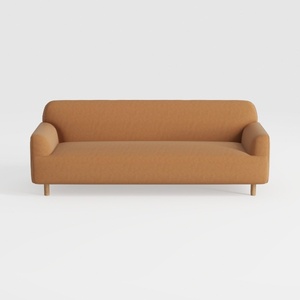
Minimalist Fabric Wooden Legs Sofa 3D Model
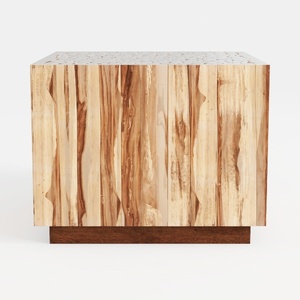

Minimalist Solid Wood Accent Cabinet with Textured Top 3D Model

Japanese Floor TableSmall Coffee Table & Tea Table
Homestyler is your go-to online home design platform! With its user-friendly design tool, stunning 3D renderings, and a wealth of DIY video tutorials, you can effortlessly create and visualize your dream home. Transform your space today—no design experience needed!
Desain sekarang Gratis
































