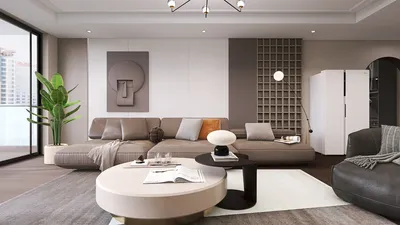


Having calibrated numerous home theater systems, I’ve discovered that the most significant enhancement in audio quality typically stems from improved room acoustics rather than investing in expensive speakers. Utilizing sound panels can effectively manage early reflections, flutter echo, and muddiness in mid-bass frequencies, which results in clearer dialogues and more coherent soundscapes. According to the WELL Building Standard, optimizing acoustics can help reduce cognitive fatigue and enhance comprehension—these effects are evident when whispers become audible and explosive sounds don't overpower the musical score. Research from Steelcase further emphasizes that comfortable acoustics play a crucial role in enhancing focus and understanding, highlighting the importance of sound management in any media environment.
In smaller to medium-sized rooms, simple porous absorption panels, typically ranging from 2 to 4 inches thick with an air gap, can significantly reduce reverberation time and control sidewall reflections. While I adhere to IES recommendations for ambient lighting as I fine-tune sound—favoring soft, flicker-free lighting that enhances the listening environment—it's primarily the acoustics that deliver clarity. The Sound concept put forth by WELL v2 stresses the importance of managing reverberation and clarity of speech; this practically translates to controlling early reflections at first-order bounce points and achieving a balance in mid and high absorption to avoid a lifeless room.
Exploring the Functionality of Sound Panels
Sound panels are designed to absorb noise rather than block it. Rooms with parallel drywall frequently produce flutter echoes—quick metallic reflections that blur detail. Porous absorber panels work by converting acoustic energy into heat through friction within their fibers, helping to reduce reflected sound in the mid and high frequency ranges. For optimal performance in home theaters, I aim for a balanced RT60 (reverberation time) of around 0.3 to 0.5 seconds; shorter for smaller, heavily damped spaces, and slightly longer for larger areas to maintain a lively acoustic environment. The focus on acoustic comfort from Steelcase aligns perfectly with this principle: controlling reverberation enhances intelligibility, and in the context of films, improved clarity translates to deeper audience engagement.
Optimal Panel Characteristics: Thickness, Density, and Air Gap
For effective sound management, two-inch panels with a 1 to 2-inch air gap perform admirably in the mid and high frequency ranges while also being budget-friendly. Upgrading to four-inch panels with a two-inch gap extends their effectiveness into the lower mid frequencies, helping to clarify dialogue and reduce any boxy sound quality. I prefer materials like rigid fiberglass or mineral wool with a density of 3 to 6 lb/ft³; denser materials enhance absorption efficiency at reduced thickness, but they do not replace the need for adequate depth. It’s crucial to maintain an air gap, as this increases low-frequency absorption since these materials perform better when positioned closer to the quarter-wavelength pressure maxima relative to the wall.
Strategically Placing Panels: Prioritizing First Reflections, Front, and Back Walls
Begin with addressing first reflections on the side walls and ceiling where sounds from the left, center, and right speakers reflect once to the listening position. You can identify these points using the mirror trick or a laser; ensure panels are placed at ear height. It's also important to treat the front wall behind the center speaker to minimize early slap-back reflections. The rear wall will often benefit from either absorption or diffusion; in smaller rooms, opting for absorption is prudent to avoid prolonged echoes. If you plan to reorganize your seating or reposition speakers, using a room layout tool helps visualize configurations and clearances before making any physical adjustments.
DIY Panel Construction: Cost-Effective Materials and Safe Practices
For constructing the frames, I recommend using either 1x3 or 1x4 pine. The core material should be mineral wool or fiberglass boards, ideally formaldehyde-free. The fabric layer should consist of breathable upholstery or acoustically transparent knit fabric; if air can pass through it easily, it’s likely appropriate. The backing can be open or burlap; avoid sealing it entirely to allow sound to pass. When wrapping the fabric around the frame, ensure it’s tight, staple it at the back, and utilize french cleats or D-rings for mounting. Always wear gloves, long sleeves, and a mask while working with fibers; sealing the edges with tape can help limit shedding.
Determining the Optimal Number of Panels Required
For a typical 12x16 ft room, I generally start with about 6 to 10 panels: two on each side wall for first reflections, two on the ceiling, one to three on the front wall, and two to three on the rear wall. If low-frequency boom is an issue, consider adding bass traps in the corners as larger, floor-to-ceiling pieces outclass smaller units. The objective is balanced decay rather than silence. Post initial treatment, evaluate the improvements in dialogue clarity, imaging, and spaciousness—adjust the panel quantity as necessary to prevent over-damping.
Design Elements: Color, Texture, and Visual Appeal
Acoustic panels can also contribute to the overall design aesthetic. I take color psychology into account when selecting palettes: deep blues and charcoals promote calmness and support concentration, while warm neutrals soften the brightness produced by screens. Arranging panels in a visually appealing rhythm—aligned with sight lines and speaker symmetry—ensures balance by incorporating negative space. It’s best to avoid high-gloss fabrics, as they can reflect light and create glare during darker scenes. IES lighting standards discourage glare and flicker; therefore, using matte textures along with dimmable, warm lighting (between 2700-3000K) reduces eye strain without compromising contrast visibility.
Considerations of Ergonomics and Comfort Levels in Listening Environments
Comfort significantly influences perceived sound quality. The height of seats should be aligned to ensure that the ears match the level of the tweeters, generally around 36 to 42 inches when seated. It’s crucial to keep pathways clear to reduce trip hazards from cables and ensure adequate ventilation; dense absorption materials may create a stuffy environment if the airflow is inadequate. Also, considering the multifunctionality of the room—if it serves as a family space—utilizing durable fabrics and easy-to-clean finishes can help minimize maintenance concerns.
Understanding the Differences: Diffusion vs. Absorption
While absorption reduces energy, diffusion redistributes it. In smaller spaces, excessive diffusion can lead to unpredictable sound characteristics; I prefer to reserve it for rear wall or ceiling clouds once absorption has been thoroughly addressed. If you desire an enveloping sound experience without adding brightness, shallow quadratic diffusers or slat-style hybrids can soften echoes while preserving the room's liveliness. Combining absorption with diffusion is key to avoiding tonal imbalance.
Financial Planning and Environmental Considerations
Creating DIY panels is an economical option: the materials for a 2x4 ft, 2-inch panel typically cost significantly less than store-bought alternatives. Opt for FSC-certified wood and low-VOC fabrics to maintain sustainability. Using mineral wool with recycled content helps lower environmental impact. Additionally, consider mounting the panels with reusability in mind—modular setups allow for adjustments as your audio system evolves over time.
Evaluating and Fine-Tuning Your Home Theater Setup
Utilizing measurement apps with a calibrated microphone can be effective, though your hearing remains a valuable assessment tool. Play familiar scenes rich in dialogue and dynamic contrasts to check for sibilance control, center image stability, and uniform decay. If the sound feels overly dull, consider reducing treatment on the sidewalls and introducing light diffusion at the rear. Maintaining soft, warm lighting is essential to mitigate visual fatigue that might skew your acoustic perception during lengthy viewing sessions.
Identifying the Need for Bass Traps
If you notice that certain notes linger or produce an echoing effect, you're likely experiencing modal issues. While corner traps and thick wall panels are beneficial, achieving proper low-end control requires considerable depth. I generally install superchunks—triangular stacks of insulation—first in the front corners, then evaluate the rear corners. Even reasonably sized traps can help to even out bass response across seating positions.
Frequently Asked Questions
Starting with two-inch panels featuring a 1 to 2-inch air gap is a great first step; switch to four inches if the dialogue sounds chesty or the room has a boxy quality.
No, standard porous panels primarily absorb mids and highs. Bass traps are significantly thicker or specifically located in the corners to focus on room modes below around 150 Hz.
To identify key areas, utilize the mirror method at ear height on both side walls and above the listening position on the ceiling. Apply panels to each identified location.
Too much absorption can make a room feel lifeless. Aim for a balanced decay: start by treating first reflections, then add rear wall and bass treatments, assessing after each application.
Breathable fabrics, which permit air flow, are ideal; avoid vinyl or tightly coated textiles that inhibit sound passage.
Always wear protective equipment and properly seal edges. Opt for formaldehyde-free materials when available and ensure that panels are covered with fabric to minimize fiber exposure.
To reduce fatigue from glare and flicker, adhere to IES guidelines for subdued, dimmable, warm lighting, while panels manage reflections. Together, they enhance comfort and immersion.
Initially, focus on absorption to stabilize reverberation; later introduce diffusion on the rear wall if you seek liveliness without additional brightness.
As a guideline, incorporate 6 to 10 panels to treat first reflections, the front wall, and the rear wall, alongside corner bass traps if excessive low-end boom persists.
Absorption aids in improving internal clarity but does not prevent external noise. Achieving isolation requires mass and sealing methods, distinct from porous panels.
Aim for a reverberation time of around 0.3 to 0.5 seconds depending on the room size and preferences, ensuring clarity in dialogue and cohesiveness in mixes.
Homestyler is your go-to online home design platform that makes creating your dream space a breeze. With its intuitive design tool, stunning 3D renderings, and a wealth of DIY video tutorials, you can easily explore and execute your design ideas—no prior experience needed!
Desain sekarang Gratis
































