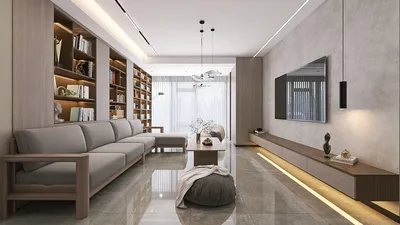


I have always viewed scent as an essential element of interior design—a delicate detail that can influence mood, enhance materials, and give purpose to smaller spaces. Homestyler emphasizes the art of integrating fragrances that intertwine with natural fibers and warm woods, creating a cozy ambiance bathed in soft lighting. When utilized correctly, scent transforms into a multi-sensory narrative rather than merely masking odors.
To establish a foundation for a healthy atmosphere, begin with lighting. The Illuminating Engineering Society (IES) advises aiming for approximately 100–300 lux in living rooms and 300–500 lux in kitchens and workspaces—a standard that ensures ocular comfort while allowing true color perception (according to IES standards). Maintaining this balance prevents scents from becoming overpowering or stifling. Furthermore, WELL v2 underscores the importance of indoor air quality as a cornerstone of comfort; incorporating adequate ventilation and choosing low-VOC products can minimize irritants, fostering restorative spaces (WELL v2). I integrate fragrances thoughtfully with these principles—fresh air, appropriate lighting, and breathable materials—so that the aroma enhances the environment rather than clashing with it.
The interplay between color and scent cannot be overlooked. Studies in color psychology reveal that warm shades such as soft terracotta and muted saffron can promote a welcoming vibe, whereas gentle greens encourage a calm, focused mindset (VerywellMind color psychology). In practice, a citrus-based freshener could invigorate a room when paired with warm neutrals, while soothing scents like sandalwood or jasmine harmonize beautifully with shades of sage and linen. For those with heightened scent sensitivity, I recommend keeping the fragrance subtle: a light spritz combined with open windows and a neutral color palette often reaches the desired equilibrium.
Crafting with Scent: Organizing Spaces and Rituals
I associate fragrances with activities rather than designated rooms. In the morning, opt for a light citrus or lemongrass scent near entryways or dining areas to invigorate without overwhelming the senses. During the afternoon, a green tea or tulsi aroma in study areas can enhance focus. By evening, a warm sandalwood scent in living spaces signals the time to unwind. This practice of behavioral zoning aligns with our natural rhythms and ensures that the home does not carry a single, overpowering scent note.
The Harmony of Light, Air, and Materials
Scents can be perceived differently depending on the lighting. In brighter, high-lux environments, citrus fragrances can feel invigorating; however, under dim, warmer light (2700–3000K), floral and woody scents become rich and velvety. I utilize layered lighting strategies—ambient, task, and accent lighting—equipped with dimmers to create the desired atmosphere. Proper ventilation is equally important: a quick 5–10 minute cross-breeze can refresh the space before introducing a new scent. Natural materials such as cotton, jute, and rattan can gently absorb and release fragrances, delivering a soft diffusion that feels organic.
Color Psychology Pairings for Homestyler Scents
- Citrus and lemongrass work well with creamy whites and pale beech to create a fresh, kitchen-inspired aura.
- Jasmine paired with sage and linen in bedrooms evokes a serene and restorative atmosphere.
- Sandalwood combined with clay, walnut, and bronze accents in living spaces fosters a grounding and welcoming environment.
- Rose integrated with blush neutrals and textured fabrics in reading nooks presents a delicate, understated scent profile.
The Principles of Placement
Spray fragrances at shoulder height, away from clothing and never directly onto furniture—this allows for diffusion rather than saturation. Avoid spraying near HVAC vents, as they can disperse scent unevenly. I prefer to spray towards illuminated walls or sheer curtains where airflow can carry the aroma gently throughout the room. In smaller apartments, a single spritz per 10-12 square meters is typically adequate; only add a second if ventilation is high and windows are open.
Acoustic Considerations and Behavioral Context
Sound can affect scent perception. In acoustically reflective rooms, heightened reverberation can cause strong fragrances to feel overwhelming. Introducing a wool rug or upholstered panels can soften both auditory and olfactory experiences. Combine tranquil aromas with low-volume music and soft lighting to create a calming evening routine—simple actions that assist in easing the mind.
Cleaning, VOCs, and Sensitivity
Fragrance should never be used to mask stale air. Establish a weekly routine: ventilate, dust, and cleanse surfaces with neutral cleaners. Opt for natural or low-VOC products to minimize chemical exposure; the WELL v2 guidelines on air quality align wonderfully with this practice. For guests sensitive to scents, ventilate beforehand and reduce the intensity—one spritz into the hallway, letting the breeze carry it further.
Strategies for Effective Scent Distribution
In open-plan areas, create micro-zones by placing scents near transition points: at the dining table's edge, near reading chairs, or at balcony entrances. If you're exploring flow and circulation, a room layout tool can help simulate furniture placements and pathways, guiding you on where fragrance diffusion feels most intuitive, especially with Homestyler's layout simulation features.
Sustainability in Material Choices
When selecting accessories, prioritize refillable glass atomizers and reusable trays. Natural trays—such as stone, ceramic, or reclaimed wood—age beautifully and do not emit unwanted odors. Keep fresheners out of direct sunlight to maintain top notes, as UV exposure can diminish brightness, particularly in citrus blends.
Hosting and Cultural Considerations
For social gatherings, shift from neutral to festive aromas: begin with light citrus during setup, transition to jasmine as guests arrive, and conclude the evening with sandalwood while serving dessert. Scent becomes a cornerstone of hospitality—memorable without imposing on varying preferences.
Practical Routine: A Week of Fragrances
- Monday: use citrus at the entrance to refresh; ventilate for 10 minutes.
- Wednesday: position tulsi-green scent near the workspace; combine with 400 lux task lighting.
- Friday evening: introduce sandalwood in the living area; set lighting to 2700K and soften acoustic elements.
- Sunday: opt for rose in a reading nook; maintain low fragrance intensity, keeping windows slightly open.
FAQ
Q1: How much freshener is ideal for a small living room?
A: Begin with a light spritz per 10–12 square meters. If windows are open or ceilings are high, consider adding another spritz. Allow the scent to settle for 2–3 minutes before deciding to add more.
Q2: What lighting levels complement citrus fragrances best?
A: Citrus scents are most vibrant around 300–500 lux in kitchens and 200–300 lux in living areas, in accordance with IES recommendations for visual comfort.
Q3: Can scents enhance focus while working from home?
A: Herbal aromas such as tulsi or green tea work well alongside cool to neutral color themes and consistent, glare-free lighting. Keep scent diffusion subtle to prevent distraction.
Q4: How should I cater to scent-sensitive guests?
A: Prioritize ventilation, maintain low intensity, and opt for gentle scents like jasmine. Always spray in circulation areas rather than directly onto upholstery or fabrics.
Q5: Where is the best spot for fresheners in an open-plan design?
A: Focus on transition areas—entry points, dining edges, and reading nooks—while steering clear of HVAC returns. Utilize a Homestyler layout planner to explore furniture and airflow before finalizing your arrangement.
Q6: How do color combinations affect scent perception?
A: Warm neutral tones enhance the brightness of citrus aromas; greens and linens can mellow floral scents. Refer to established color psychology concepts for guidance on pairings.
Q7: Is there an eco-friendly aspect to room fresheners?
A: Absolutely—opt for refillable glass containers, store them away from direct light, and minimize VOC exposure by ventilating regularly and using low-VOC cleaning agents.
Q8: Do sound treatments modify the perception of a scent?
A: Softer acoustics—such as rugs, curtains, and upholstery—can make richer scents like sandalwood feel more enveloping, especially in hard-surfaced spaces.
Q9: Is mixing scents across different rooms advisable?
A: It is possible, but maintain a cohesive scent narrative. Use compatible scent families—citrus in kitchens, florals in bedrooms, and woods in living rooms—to prevent clashing at transitions.
Q10: How frequently should I refresh the scent?
A: Regular light use is acceptable. For gatherings, re-spray after ventilating; for daily settings, every 24–48 hours is generally sufficient in temperate regions.
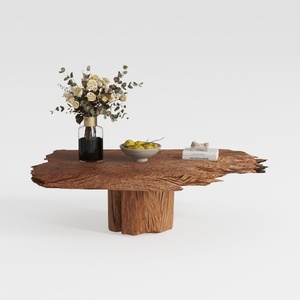


Minimalist Solid Wood Fluted Round Coffee Table 3D Model

Fluted Storage Cabinet, 31.5“ Wooden Sideboards
Discover the magic of home design with Homestyler! This user-friendly platform offers an intuitive online design tool, stunning 3D renderings, inspiring design projects, and helpful DIY video tutorials. Perfect for both beginners and seasoned decorators, Homestyler makes transforming your space a breeze!
지금 무료로 디자인하세요
































