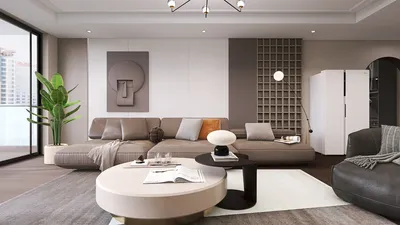


To create bright and inviting environments, it is essential to consider balanced reflectance, color temperature, and surface selections rather than just focusing on increasing lumens. I emphasize tile palettes and layouts designed to enhance natural daylight, manage glare, and accommodate everyday use. According to WELL v2, maintaining illuminance levels of 300–500 lux on work surfaces is crucial for visual comfort. This informs my choice of tiles with moderate to high Light Reflectance Values (LRV), facilitating a gentle reflection of light across walls and floors. Research from Steelcase suggests that a perception of increased brightness can lead to lower cognitive loads and elevate mood in workspaces; similarly, applying these principles in home design allows kitchens, bathrooms, and living areas to radiate an airy and serene ambiance.
Texture is as crucial as hue. The Illuminating Engineering Society (IES) stresses the importance of glare management: overly shiny tiles can create specular hotspots, while matte or satin finishes distribute light more evenly. I frequently pair high-LRV wall tiles (LRV 70–85) with low-gloss floor tiles to avoid problematic reflections. For visual comfort and adjustable lighting, WELL v2 guidelines suggest a combination of pale tiles with 2700–3500K fixtures, ensuring a warm and homely atmosphere without compromising color integrity. For deeper insights into lighting standards and their impacts on well-being, please refer to IES guidelines and WELL v2 frameworks at wellcertified.com.
Enhancing Rooms with Tile Color and LRV
In spaces that lack abundant light, using creamy off-whites, soft greiges, and delicate pastels can outperform stark whites by reducing harsh contrasts. I aim for LRVs above 65 for wall tiles to boost ambient brightness while maintaining a sense of depth. Colors like blue and green at mid-LRV values (45–60) help stabilize mood—research by Verywell Mind highlights blue’s calming nature and green’s restorative qualities. These are particularly beneficial in bedrooms and bathrooms where tranquility is key. High-chroma tiles can add vibrancy to alcoves or backsplashes, however, I prefer keeping the major areas light to uphold overall reflectance.
Choosing Finishes: Gloss, Satin, and Matte
Glossy finishes can create an illusion of spaciousness in compact powder rooms, but glare should be managed through layered lighting and softer paint finishes nearby. For living and kitchen areas, satin or matte tiles help prevent mirror-like reflections on surfaces where glare can cause discomfort. I often integrate micro-textured wall tiles to mitigate specular highlights, along with under-cabinet lighting set at 3000K with diffusion to avoid shimmering on glossy backsplash tiles.
Patterns, Scale, and Visual Harmony
Using large-format tiles (24x24, 24x48) minimizes grout lines, resulting in cleaner aesthetics and reduced shadow appearance. In narrow corridors, applying a linear tile pattern that parallels the travel flow can visually elongate the space. Subtle geometric designs on wall tiles add rhythm without introducing visual clutter; I maintain moderate contrast ratios to enhance brightness. For optimal furniture clearance and circulation planning prior to tiling, utilizing a room layout tool can simulate pathways, tile direction, and focal points effectively.
Room Layout Tool
Maximizing Light with Tile Layout Strategies
Aligning grout color with tile value can prevent dark seams that disrupt the visual flow. Employing staggered joints (1/3 offset) with wood-look tiles minimizes cumulative shadows compared to standard half-offset layouts in low-light environments. Close to windows, I position plank tiles perpendicular to the light source, allowing for even highlight distribution without harsh striping. In kitchens, reflective yet controlled surfaces surrounding task zones can help achieve the desired 300–500 lux on countertops while reducing glare on floors.
Acoustic Comfort and Material Choice
Even brightly lit rooms may feel echoey. Hard, expansive surfaces like porcelain and ceramic can intensify reverberation, so I integrate acoustic rugs, upholstered furniture, or cork wall panels to soften reflections. Research from Steelcase and Herman Miller connects acoustic comfort with focus and perceived well-being; this understanding translates into quieter living spaces and clearer conversation at home. When clients favor hard flooring throughout, I recommend placing rugs at first reflection points and using soft drapery and bookshelves to enhance sound diffusion.
Ergonomics, Safety, and Slip Resistance
While brightness is important, it shouldn't come at the cost of safety. I select tiles with a higher coefficient of friction (COF) for kitchens, entries, and bathrooms, particularly where water and smooth finishes interact. Matte porcelain tiles with micro-textures effectively balance safety and ease of maintenance. It's vital that threshold transitions remain low-profile to reduce tripping hazards while ensuring grout joints are aligned for visual continuity.
Kitchen and Bathroom: The Synergy of Task Light and Tile
Kitchens require consistent task lighting over countertops, paired with backsplashes that minimize glare. I tend to choose satin finish subway tiles with slightly rounded edges, ensuring grout matches the tile value. Bathrooms benefit from light, warm neutrals featuring high LRV wall tiles and slip-resistant floors; lighting around 3000–3500K helps maintain accurate skin tones while providing a spa-like atmosphere. For smaller bathrooms, larger tile formats help reduce visual clutter while planning slopes around drains.
Sustainability and Care
Porcelain tiles are valued for their resilience and low porosity, minimizing the need for harsh cleaning agents. I prefer tiles comprising recycled materials when feasible and opt for darker or mid-tone grouts to hide wear and tear. To preserve brightness, consistent dusting of light tiles and utilizing gentle neutral cleaners is crucial in preventing film build-up that dulls reflectance.
Exploring Color Psychology in Living Spaces
Soft, warm neutrals evoke comfort; pale blues can cool overly sunlit rooms; gentle greens promote restoration in bedrooms. Accent tiles can invigorate entryways without overwhelming an open space. I often test samples under various lighting conditions—both daylight and nighttime—to ensure that warmth and brightness align with desired mood targets.
Zoning and Feature Walls
Tiles can serve as excellent boundaries in design. A textured, light-reflective fireplace surround can serve as a focal point while ensuring the overall brightness of the space. In open-concept areas, I delineate dining zones using patterned but pale floor tiles, then mirror the design in a subtle backsplash for unity. To guide the planning of sightlines and pathways before finalizing tile quantities and cuts, an interior layout planner can clarify proportions and flow.
Interior Layout Planner
2024–2025 Design Trends to Keep Spaces Bright
Clients are increasingly favoring grounded serenity, incorporating warm off-whites, micro-textures, and large formats with minimized seams. I've noticed a preference for mixed natural materials—like terrazzo and limewash-effect tiles—along with softer sheens that exude brightness without appearing clinical. Layering lighting at warmer color correlated temperatures further enhances these tiles, cultivating a calm and modern atmosphere.
Frequently Asked Questions
Warm off-whites, soft greiges, and gentle pastels with an LRV above 65 can brighten spaces without harsh glare. They reflect light gently and harmonize well with 3000–3500K lighting.
While gloss can enhance reflectance, it also has the potential to create glare. It’s best utilized in controlled spaces (such as powder rooms and feature backsplashes) while balancing it with matte floors and diffused lighting for comfort.
Incorporate texture (satin or micro-relief), warm CCT lighting, and natural materials. Maintaining muted accent colors and layering textiles contributes to warmth.
To minimize visual segmentation, match grout to tile value. Opting for larger tile formats can reduce grout density, keeping the overall appearance calm and light.
Matte porcelain tiles with micro-texture and a higher COF are the best choices for bathrooms, entries, and kitchens. This combination balances brightness with slip resistance.
Aim for 300–500 lux in work areas in accordance with WELL v2 standards; incorporate high-LRV wall tiles and low-gloss flooring to maximize light reflection while managing glare.
Tiles themselves reflect light; when complemented with rugs, curtains, and upholstered furnishings, they can diminish reverberation, ensuring comfortable bright rooms.
For flooring, orient linear tiles along the travel direction and utilize large formats to minimize grout lines. Keeping contrast low fosters a cohesive, airy ambiance.
Satin or matte finishes are effective in controlling glare during daytime. Pair them with light, warm neutrals and layered shades to modulate illumination.
Strong contrasts can disrupt visual coherence and create shadowing, which may restrict perceived openness. It’s best to control contrast in expansive areas while reserving bold colors for smaller zones.
Porcelain offers lower porosity and higher density, enhancing durability—making it ideal for high-traffic areas while upholding finishing options to maintain brightness.
Using a room layout simulation tool can assist in evaluating patterns, scales, and furniture spacing. This approach prevents unwanted cuts in focal zones and maximizes light reflectance across sightlines.
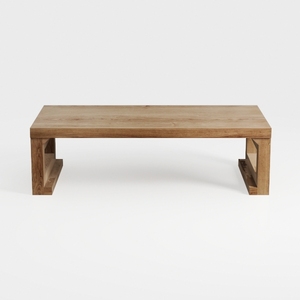
Bed Table Bed Desk Living Room Simple and Creative
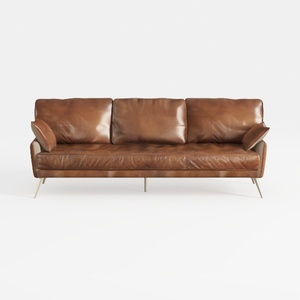
Modern Vintage Leather 3 Seater Sofa With Metal Legs 3D Model

Boucle Fabric Solid Wood Base Modern Sofa 3D Model
Homestyler is your go-to platform for transforming home design dreams into reality. With its user-friendly online design tool, stunning 3D renderings, a plethora of inspiring design projects, and helpful DIY video tutorials, you can create your ideal space effortlessly!
Concevez maintenant gratuitement
































