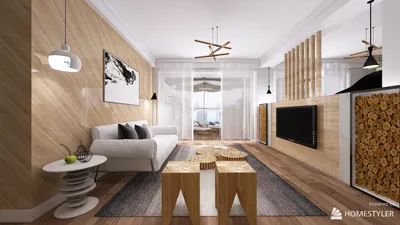


I once made the mistake of hanging a massive metal sculpture above a client’s sofa without verifying the wall studs, resulting in it crashing down two days later. This experience taught me the importance of gravity and structural integrity in design. It also opened my eyes to the fact that small living rooms can be mesmerizing design canvases. With the right application of 3D metal wall art, you can introduce drama, texture, and dimension without consuming precious floor space. In this article, I'll share five practical strategies that I have applied in real projects to enhance compact lounges, making them feel both curated and expansive.
1. Layered Geometric Panels
Installing layered geometric metal panels can add remarkable depth and function as a sculptural backdrop. I once used powder-coated panels with staggered arrangements on a narrow wall housing the TV, which created dynamic shadows that evolved throughout the day. The primary benefit is that it visually enlarges the room while cleverly concealing cable clutter. However, the challenge consists of precise installation and measurements, as lightweight studs may require reinforcement.
save pin
2. Mixed-Material Wall Sculptures
Integrating metal with materials like wood or stone can infuse warmth into the typically cold aesthetics of metal finishes. Recently, in a small apartment, I paired brass-finished metal leaves with reclaimed wood mounts, achieving a harmonious balance between modern and inviting. The advantage lies in the tactile contrast that diminishes the industrial vibe, while the downside is that coordinating finishes demands more time, yet the outcome is undeniably rewarding.
save pin
3. Modular 3D Tiles
Modular metal tiles provide the flexibility to design custom patterns over time. I recommended these to a client wanting to start small and gradually expand — we initiated with a concentrated design and added new pieces seasonally. The advantage of this approach is the flexible budget and evolving design; however, it requires maintaining a consistent patina and planning the layout grid to avoid unsightly seams. For effective layout visualization, consider using the 3D floor planner to experiment with different designs.
save pin
4. Floating Metal Murals
Floating murals employ hidden spacers, allowing the artwork to appear as if it is hovering above the wall and casting sophisticated shadows. On one occasion, I installed a wave-inspired mural above a narrow console table, and the lighting created an illusion of motion. The primary benefit is that lightweight pieces can make a significant visual statement; however, installation requires meticulous attention to even spacing and lighting setup. For complex layouts, I often use a room planner to visualize the arrangement before making any permanent installations.
save pin
5. Functional Metal Wall Systems
Transform metal art into practical storage solutions by incorporating slim shelves, hooks, or magazine racks within the sculpture itself. For a client's compact living area, I merged an abstract metal grid with slender wooden shelves, creating an art piece that also served as a display space. The advantage is that it provides utility in compact settings, while a slight trade-off might be a reduction in the sculptural impact if excessively filled. When planning dimensions, utilizing a kitchen-layout-planner or similar tool can help ensure a harmonious balance between aesthetics and functionality.
save pin
FAQ
Q: What size 3D metal art is best for a small living room? A: Ideally, select a piece that covers approximately 60–75% of the width of the sofa or establishes a clear focal point above consoles; smaller clusters can effectively prevent overwhelming the space. Visual balance is crucial!
Q: Are metal artworks heavy to hang? A: Surprisingly, many are quite light; however, larger sculptures might be heavy and may require wall anchors or proper mounting to studs. Always verify the weight limits of your fixtures.
Q: How can I prevent rust on metal wall art? A: Opt for powder-coated, stainless, or sealed finishes for durability, and refrain from placing untreated metal in humid areas such as bathrooms or unprotected outdoor settings.
Q: Is it possible to customize metal art to align with my color palette? A: Absolutely! Numerous artists and manufacturers provide custom finishes — ranging from brushed brass to matte black — to complement your design scheme.
Q: What lighting is optimal for 3D metal pieces? A: Directional lighting such as spotlights or wall washers beautifully highlights texture and shadow; dimmable LEDs allow you to adjust the ambiance. For trusted lighting recommendations, refer to IES standards from the Illuminating Engineering Society (https://www.ies.org/).
Q: How costly is it to install modular metal tiles? A: Prices vary; however, modular systems allow you the flexibility to phase your purchases, making it more budget-friendly than acquiring one large, custom piece.
Q: What is the best way to maintain metal sculptures? A: Use a soft cloth for dusting and avoid abrasive cleaners; for sealed finishes, occasional gentle wiping is sufficient to keep them pristine.
Q: Where can I preview layouts before I begin drilling? A: Digital mockups can help prevent errors — try using tools like the free floor plan creator to visualize scale and layout.
save pin
Homestyler is your go-to online home design platform! With its user-friendly design tool, stunning 3D renderings, and a wealth of DIY video tutorials, you can effortlessly create and visualize your dream space. Dive into a world of creativity and inspiration today!
立即免费设计
































