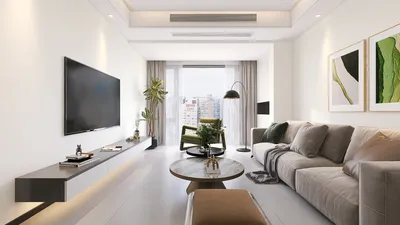



Utilizing clever color choices can significantly enhance the aesthetic of small kitchens. The appropriate selection of cabinet colors can create the illusion of elevated ceilings, extended walls, and a tranquil environment—all while maintaining the same amount of space. In my design work, I’ve observed that well-thought-out undertones and finishes enhance the perception of space much more effectively than bold hardware or trendy door designs. Integrating tools like Homestyler can help you visualize and compare these choices easily.
Two supporting elements reinforce this strategy. Firstly, the WELL v2 standard highlights the importance of natural light and glare management for optimal visual comfort; ensuring consistent luminance across surfaces minimizes eye strain and enhances the sense of space (WELL v2 Light, L03–L05 at WELL Certified). Secondly, findings from the Interaction Design Foundation suggest that using low-contrast, cohesive color schemes can reduce cognitive load, aiding users to navigate complex environments more smoothly, which translates into interiors that feel calmer and more spacious (Interaction Design Foundation).
How Color Influences Perceived Volume
Color impacts the perception of edges, contrast, and light reflection—three critical factors that can make a compact kitchen appear more spacious. Lighter, cooler colors tend to reflect light (higher Light Reflectance Value), softening shadows around cabinet seams, whereas darker hues absorb light, intensifying boundaries. In confined layouts, I typically recommend a Light Reflectance Value of 55–85 for upper cabinets to maintain a visually open ceiling, while base cabinet colors should be adjusted for weight and depth.
Optimal Cabinet Colors for Compact Kitchens
A clean white with hints of warmth—consider a touch of cream or linen—can mitigate the stark contrast with ceilings and trim while promoting a continuous flow of vision, enhancing the perception of space. Steer clear of blue-tinged whites under cooler LED lighting, as they can lead to glare and exaggerate any joints in the cabinetry.
A greige color serves well in harmonizing mixed finishes (stainless steel, black appliances, warm woods). Its neutrality camouflages small appliances better than pure white and presents a seamless appearance in both daylight and artificial lighting. This makes it a reliable choice for rental properties with variable lighting.
Subdued greens provide a soothing effect and connect warm wooden elements with cooler stone materials. From a psychological standpoint, the color green is linked to feelings of restfulness, effectively reducing visual tension—ideal for small, task-intensive environments.
Light, muted blue-grays featuring a slight green undertone exude sophistication and create a sense of pushing walls back. Keeping these shades lighter will help avoid a cold ambiance, and they pair excellently with polished nickel and honed marble.
Using lighter colors on upper cabinets creates an expansive vertical feel; slightly darker bases provide grounding and conceal scuffs. This gradation visually lightens the space without making it seem top-heavy.
Understanding Undertones: The Often-Overlooked Factor
A color that appears perfect on a swatch may reveal unintended hues such as green, pink, or violet when exposed to your kitchen's lighting and surrounding surfaces. I always test color samples against the countertop and backsplash during daylight and under evening lighting. If your quartz countertop has a cool undertone, opt for a cabinet color that complements it, while for warm-toned stone, ensure the cabinet matches to prevent creating confusing shadows along door edges.
Lighting: Color Can Only Shine with Proper Light
The success of any cabinet color relies significantly on the quality of the light used. Aim for a color temperature between 3000–3500K in kitchens to balance warmth with clarity; pair this with a Color Rendering Index (CRI) of 90+ for accurate color depiction. The Illuminating Engineering Society recommends task lighting at countertops to be between 300–500 lux; a combination of ambient and under-cabinet lighting is crucial for lighter cabinetry to maintain a soft, spacious look while minimizing reflections on glossy surfaces (see IES standards at ies.org/standards).
Choosing the Right Finish: Matte, Satin, or Gloss?
- Satin/low-sheen: My preferred option for small kitchens—provides enough reflection to enhance light without being shiny enough to highlight fingerprints.
- Matte: Ideal for reducing glare in bright daylight; opting for scrub-resistant paint or ultra-matte laminate ensures durability.
- High gloss: While this finish can reflect light and create a feeling of space, it also tends to reveal imperfections and fingerprints; it’s best suited for very flat, high-quality cabinet fronts.
Hardware: Keeping Visual Clutter Minimal
In compact areas, hardware should complement the overall design without becoming a focal point. Choose streamlined pulls that match the appliance finishes to decrease visual interruptions. For an ultra-clean look, integrated pulls or touch-latch mechanisms on upper cabinets help maintain a tidy appearance, enhancing the perception of length in the space.
Countertops and Backsplashes: The Perfect Color Partners
Opt for minimalistic patterns rather than bold veining in smaller kitchens. For those who appreciate striking stone materials, stick to quieter cabinets to allow the stone to stand out without overwhelming the design. A consistent backsplash made from the same material as the countertops can create a seamless look, reinforcing the feeling of spaciousness in the kitchen.
Effective Two-Tone Strategies
Consider opting for a cabinet color that is 1-2 shades darker on the base cabinets compared to the upper ones. This subtle variation anchors the visual weight and can visually elongate the upper space. In kitchens that lack sufficient daylight, keeping both tones within a lighter to mid-range and incorporating under-cabinet lighting will create depth and vibrancy.
When Dark Cabinets Are Appropriate
In a galley-style kitchen with abundant natural light, matte charcoal bases paired with lighter upper cabinets can evoke a chic aesthetic without making the space feel cramped. The trick is to maintain bright wall and ceiling tones while avoiding dramatic contrasts at the shortest walls. Additionally, darker lower cabinets can effectively conceal wear that may occur in areas near the sink or trash.
Color Scheme and Functional Flow in Limited Spaces
Creating color zones can enhance workflow in a smaller kitchen layout—utilizing light colors above primary prep areas and slightly richer hues near dining or coffee zones. If you’re still refining your kitchen layout, quick simulations using a design tool such as Homestyler can help evaluate clearances and visual flow before finalizing your color choices.
Sustainable Materials and Ease of Cleaning
Opting for low-VOC, waterborne finishes can improve air quality in compact kitchens. Choose durable laminates or thermofoils that offer fingerprint resistance if you prefer deeper tones; lighter paints should be rated for easy scrubbing, especially in areas near hardware.
Recommended Light Cabinet Colors
- Creamy whites with a slight warmth (5–8%) to soften lighting effects
- Pale greige that maintains its appearance without turning purple under 3500K lighting
- Delicate sage green with gray undertones, pairing well with oak or walnut
- Light blue-gray with a hint of green to avoid an excessively cool appearance
Expert Sampling Techniques
Paint large boards instead of small swatches for your samples. Observe them next to your countertops and flooring, under both daylight and evening conditions. If lighting in your space reads too cool at 4000K, consider warming the cabinet color by one step in undertone instead of overhauling your entire palette.
Frequently Asked Questions
Q1: Which cabinet color enhances the sense of space in a small kitchen?
A1: Soft whites, pale greiges, and gently desaturated greens can make a space feel more open by reflecting light effectively and minimizing edge contrast. Aim for a Light Reflectance Value (LRV) between 55 and 85 for upper cabinets.
Q2: Should upper and lower cabinets match colors in a compact kitchen?
A2: Not necessarily. Lighter upper cabinets with slightly darker lowers can add depth without making the room feel cramped; this strategy works particularly well in galley and L-shaped designs.
Q3: What undertone works best with stainless steel appliances?
A3: A neutral-to-cool greige or a blue-gray with a hint of green works best as it harmonizes with the cool aspect of stainless steel and prevents yellowing effects under artificial lighting.
Q4: Is it advisable to use dark cabinets in a small space?
A4: Dark lower cabinets can be effective if the walls and ceilings remain light, and there is sufficient task lighting. Ensure that contrast is vertical when facing the shortest wall for the best effect.
Q5: Which lighting specifications enhance the appearance of light-colored cabinets?
A5: A color temperature of 3000–3500K with a CRI of 90+ and task lighting around 300–500 lux is ideal; this balance of warmth and clarity helps avoid glare.
Q6: Which finish is better suited for small kitchen cabinets: matte or gloss?
A6: Satin/low-sheen is the most forgiving option. Matte finishes minimize glare in bright conditions, while gloss can create a sense of space if surfaces are flawless and upkeep is manageable.
Q7: How can I effectively pair cabinet colors with a visually busy stone countertop?
A7: Keep cabinets subdued and low-contrast, opting for soft whites or pale greiges; this allows the stone features to shine through without overwhelming the overall design.
Q8: What backsplash works best with lighter cabinets in a small kitchen?
A8: Large-format tiles or a continuous slab matching the light cabinets can reduce visual interruptions, thereby enhancing the perception of space.
Q9: Do warm whites appear yellow at night?
A9: Under lighting with a temperature below 2700K, warm whites can skew creamier. For a crisp look at night, use bulbs in the 3000–3500K range and select a neutral white with minimal yellow undertones.
Q10: Can color effectively organize functional zones in a small kitchen?
A10: Indeed. Using slightly deeper colors in beverage or banquette areas, with lighter tones in the main prep zones, can indicate function without adding visual clutter.
Q11: Are there environmentally friendly finish options for cabinets?
A11: Look for low-VOC waterborne paints or certified laminates with low emissions. In constrained spaces, improvements in indoor air quality can be quite noticeable.
Q12: What size should my paint samples be?
A12: Aim for samples at least 18×24 inches on foam boards. Move them vertically and under cabinets to observe how shadows affect undertones throughout the day.
Originally incubated at Autodesk, Homestyler has grown into one of the most widely adopted home design platforms in the world, now trusted by over 20+ million registered users (platform data, 2026). Whether you're a homeowner exploring ideas or a professional designer delivering client-ready renders, Homestyler brings industry-leading 3D technology to your fingertips — no experience required.

Polished Chrome Modern Wall Mounted Kitchen Faucet 3D Model

Metal Kitchen Over Sink Dish Drying Rack 3D Model

Modern Polished Chrome Bathroom Basin Faucet 3D Model
Discover your home’s potential with Homestyler! This user-friendly online design tool allows you to create stunning interiors with its advanced 3D rendering features. Explore a variety of design projects and learn through engaging DIY video tutorials. Transform your living space effortlessly!
Progetta ora GRATIS



















![[For my dearest Sabrinik 🧡]](https://hs-designs.homestyler.com/production/design/images/3f463715-5ed6-4c49-9346-16d464510aa6/1714085722568.jpg?x-oss-process=image/resize,w_502,m_mfit/format,webp)
