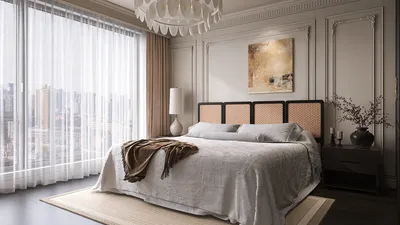


I treat the design of servant rooms with the same care as primary living spaces. A thoughtfully positioned, well-illuminated, and ergonomically designed utility room enhances household flow, ensuring privacy and dignity for its users. Beyond traditional Vastu principles, considerations such as daylight, acoustics, and material selection significantly influence comfort and behavior in practical terms.
To support these insights, I rely on validated information regarding light and well-being. The WELL Building Standard provides guidance on managing daylight and reducing glare; a task lighting level of 300–500 lux typically suits daily activities, while minimizing direct glare enhances visual comfort (v2.wellcertified.com). According to Gensler’s U.S. Workplace Survey, having control over one's environment is linked to improved performance—setting rooms that allow for distinct zoning and easy access to storage can help alleviate stress and minimize interruptions. These foundational principles align with the intentions of Vastu without being overly prescriptive.
Color significantly impacts mood, much like spatial arrangement does. Insights from Verywell Mind on color psychology indicate that cooler colors can create a calming effect, while warm, muted tones offer a welcoming atmosphere without overwhelming stimulation (verywellmind.com/color-psychology). When incorporated into a functional layout designed for tranquility and sound dampening, these color choices help preserve privacy and mitigate the typical disturbances associated with service circulation.
Primary Vastu Orientation and Placement
According to Vastu principles, servant quarters are often best situated in the South or West sectors—regions linked with stability and support—while ensuring that the Northeast remains uncluttered and bright. I emphasize the importance of separating these spaces from sacred or high-traffic areas (like pooja rooms or formal living areas) by placing them along secondary pathways to reduce intersection with main family zones. For significant floor plan modifications, utilizing a room layout tool like Homestyler can help visualize adjacency and privacy aspects:
room layout tool
Entry, Privacy, and Circulation Strategy
A discreet entrance that is connected to a service corridor or positioned near the kitchen/backyard facilitates wayfinding and minimizes overlap with guest routes. Short sightlines into the servant space, perhaps featuring a small vestibule or an offset door, can enhance privacy. Compliance with safety codes regarding locks and exits is essential. If the room shares walls with bedrooms or study areas, incorporating acoustic solutions—such as dense doors, perimeter seals, and soft materials—will help to curtail noise levels.
Daylight, Ventilation, and Light Levels
Reliable natural ventilation should be ensured without the risk of strong drafts. Optimal cross-ventilation can be achieved via operable windows on adjacent walls; if that’s impractical, consider a quietly operating exhaust fan. For lighting, activity areas (like folding and organizing) are best illuminated around 300–500 lux with a warm-neutral color temperature (3000–3500K) for comfort. It is ideal to avoid overhead glare by using diffuse ceiling lights and targeted under-cabinet fixtures. If windows face intense afternoon sun (the West), implementing shades or light-diffusing films will improve thermal comfort.
Layout Ratios and Functional Zoning
I like to establish a distinct ratio among sleeping, storage, and utility areas. A compact single bed or daybed (positioned away from the entrance), a well-ventilated wardrobe, and a modest workspace can create functional zones within the room. Circulation paths should ideally measure around 800–900 mm to facilitate safe movement when carrying items like bags or linen. If the room serves dual purposes including laundry tasks, it’s advisable not to place the bed adjacent to damp areas; a small divider or screen can help maintain hygiene and comfort.
Materials, Durability, and Maintenance
It’s crucial that materials chosen for the servant room are durable, non-toxic, and easy to maintain—think low-VOC paints, slip-resistant flooring (like matte porcelain or textured vinyl), and moisture-resistant cabinetry. Selecting rounded hardware can also help prevent snags. Fabrics need to be both breathable and washable; opting for neutral, warm colors creates a respectful and calming atmosphere. Where feasible, including a small cork board or rail system for personal effects can encourage ownership and reduce clutter on flat surfaces.
Color Psychology and Visual Balance
Soft greens or gentle blues can lower arousal levels and encourage rest, while creamy whites with warm undertones help compact rooms feel spacious without seeming clinical. Reserve more vibrant colors for accents rather than dominating entire walls, which can lead to visual fatigue. Strive for a sense of rhythm and balance in the space: uniform spacing of storage units, consistent reveal lines, and aligned lighting fixtures contribute to a serene visual composition.
Acoustic Comfort and Respectful Quiet
To ensure sound comfort in a servant room, a solid floor is fundamental: utilize underlayment, rugs, and door seals to minimize impact noise. Wall-mounted storage should be designed to prevent rattling; adding felt pads and soft-close mechanisms can further enhance this. Noisy equipment (like pumps or grinders) should be insulated or distanced from the sleeping area. If a shared bathroom is present, consider a decoupled wall or resilient channels to mitigate plumbing noise transmission.
Human Factors and Ergonomics
I recommend heights for work surfaces between 740–760 mm, with upper shelves easily reachable within a 1400–1600 mm range, ensuring that frequently accessed items fall between knee and shoulder height to minimize strain. Providing bedside outlets and soft task lighting accommodates personal routine preferences. If tasks like ironing or folding are performed in this room, a stable, heat-resistant area with clear knee space should be incorporated. It’s best to avoid overhead cabinetry above the bed to minimize the risk of accidents.
Storage Logic and Clutter Prevention
I suggest segmenting wardrobe areas by purpose: uniforms/work attire, personal belongings, and shared household supplies. Utilizing ventilated shelves promotes breathability, and labeled bins enhance organization for consumables. A narrow tall cabinet located near the entrance can serve as storage for items used frequently while keeping them off the resting space. It’s essential to maintain at least one clear flat surface for quick tasks without the need to rearrange items.
Bathroom and Utilities Adjacency
If the servant room is positioned adjacent to a bathroom, orienting the bed away from plumbing walls and avoiding direct alignment with the bathroom door is a smart choice in line with Vastu beliefs. Effective odor control should be ensured with appropriate traps and exhaust ventilation. For laundry functions nearby, separating wet areas with a partial partition and ensuring slip-resistant flooring extends through the wet pathway is advisable.
Respectful Lighting for Night Routines
Nighttime lighting should be soft and controllable from the bed. Implementing layered lighting systems—ambient, task, and gentle night lights activated by motion sensors—supports safe movement without interrupting sleep patterns. Maintaining a consistent color temperature prevents harsh shifts from warm to cool lighting, fostering a more soothing environment.
Safety, Egress, and Codes
Even in smaller rooms, it is vital to ensure compliant egress. There should be at least one operable window or a door exit that meets code standards, alongside smoke detection and safe electrical routing. Ensuring pathways remain clear and avoiding locking mechanisms that could hinder emergency exits is critical.
Integrating Vastu with Modern Living
Vastu principles recommending stable South or West positioning, gentle entrances, uncluttered Northeast sections, and separated utilities interweave effectively with modern comfort concepts. I utilize an interior layout planner like Homestyler to explore adjacency options before finalizing designs, balancing privacy needs and access:
interior layout planner
Project Notes from Practice
In urban environments, I’ve strategically placed servant rooms along Western service corridors, allowing for filtered afternoon light, while buffering them with storage walls to reduce noise levels. Utilizing warm-neutral color schemes, durable flooring, and breathable fabrics preserves the dignity and practicality of the space. A guiding principle is to clearly define boundaries between sleep and work zones to enhance room functionality.
FAQ
The South or West orientation is commonly preferred in Vastu for stability and support, while maintaining an uncluttered and bright Northeast is beneficial. This placement typically complements practical service flow in many home layouts.
A comfortable target for routine tasks is around 300–500 lux, achieved through diffused ambient lighting and focused task lights to avoid glare.
Soothing greens, gentle blues, and warm off-whites are preferable. Reserve bolder colors for accent roles to minimize visual fatigue.
Utilize a secondary corridor entry, maintain short sightlines, and perhaps a small vestibule or offset door. Adding acoustic seals and limiting direct views into the sleeping area can significantly enhance privacy.
Work surfaces should ideally be within the 740–760 mm range, with reach zones set at 1400–1600 mm, and circulation pathways around 800–900 mm. Ensure that frequently used items are situated between knee and shoulder height.
Yes, especially when circulation is distinct and noise/odors are managed adequately with exhaust systems and acoustic detailing. This adjacency improves service efficiency.
To mitigate noise between spaces, utilize dense doors, perimeter seals, underlayment, rugs, and resilient channels for interconnected walls. Soft-close hardware will help prevent rattling disturbances.
Opt for low-VOC paints, matte porcelain or textured vinyl flooring, moisture-resistant cabinetry, and fabrics that are breathable and washable.
Avoid direct alignment with doors. Instead, offset the positioning with a partial screen or adjust the swinging direction to maintain privacy and tranquility.
Differentiate wardrobe areas by purpose, implement ventilated shelving and labeled containers, while preserving one clear workspace. Steer clear of overhead cabinets directly above the sleeping area.
In cases where cross-ventilation is limited, consider a quiet exhaust fan and ensure proper odor control through effective traps. Keep moisture away from the sleeping areas.
Absolutely, utilizing a layout simulation tool can assist in evaluating adjacency, privacy, and natural light before renovation begins.


Minimalist Solid Oak Bookshelf Open Storage Display 3D Model


Minimalist Solid Wood Storage Daybed with Built-in Bookshelves 3D Model
Homestyler is the ideal online platform for transforming your home design dreams into reality. Its user-friendly design tool, impressive 3D rendering, and a vast array of DIY video tutorials empower you to explore creative projects effortlessly. Create your perfect space today!
Design jetzt kostenlos
































