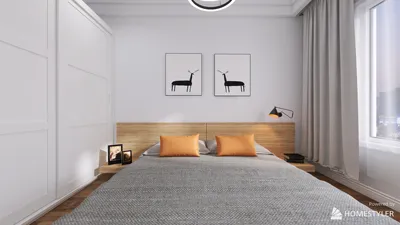


For over ten years, I have been focused on improving healthcare environments where stress is prevalent and comfort is essential. This includes critical care areas such as ICUs, oncology suites, maternity wards, and isolation units. Ensuring that patients feel comfortable is not merely a luxury; it has significant clinical implications. According to recent research from the Gensler Institute, a staggering 70% of healthcare users feel that the physical environment directly affects their well-being and overall quality of care. Additionally, the WELL v2 guidelines connect access to natural light and adjustable lighting with enhanced sleep quality and circadian alignment, both of which play a vital role in recovery. Similar findings by Steelcase highlight that environments designed to minimize cognitive fatigue and noise levels can lead to a better experience for both patients and healthcare staff.
Comfort involves multiple sensory elements such as lighting, acoustics, ergonomics, color schemes, thermal stability, and effective navigation. The WELL v2 suggests that when possible, personalized thermal and lighting controls should be available to individuals. Furthermore, appropriate vertical illuminance for clinical tasks is recommended by IES to ensure safety and minimize glare. In practical application, this translates to using layered lighting—ambient levels ranging from 200 to 300 lux, task lighting exceeding 500 lux at the bedside for reading or medical procedures, and subdued night lighting under 5 lux along pathways to reduce melatonin disruption. In complex settings like oncology infusion, research from Herman Miller indicates that providing choices in seating, posture, and privacy can significantly lessen stress and enhance perceived control.
Establishing the Primary Clinical Intent of the Room
Each specialized room is designed with a primary clinical purpose that establishes parameters for comfort. For instance, while ICUs may accommodate fewer soft surfaces, they still necessitate effective sound dampening; isolation rooms require negative pressure and finishes that are easy to clean; bariatric rooms must have sturdy structures and ample space. Begin with assessing clinical risks and then introduce comfort considerations, including infection control, visibility for staff, storage for medical equipment, and easy access to patient controls. Utilize ADA standards and local regulations for spatial clearances, and adjust dimensions to create an uncluttered feel—ideally maintaining a bed-to-room ratio of 1:1.3 to 1:1.5 for optimal circulation without creating visual constraints.
Healing Lighting That Does Not Compromise Care
My approach emphasizes the importance of distinguishable lighting for circadian rhythms and specific tasks. Ensuring daylight is accessible near the bed helps patients orient themselves to time. It is crucial to provide low-glare, indirect ambient lighting, typically at 2700–3000K for the evening and 3500–4000K for daytime stimulation. To avoid glare, manage unified glare ratings by employing diffuse lens techniques and wall washing instead of point sources of light. Night lights should subtly illuminate baseboards to aid in navigation to the restroom without disturbing sleep patterns. Staff-friendly dimmable headwalls are also critical, allowing illumination to rise to 500–1000 lux during procedures and dimming quickly afterward, supplemented with patient-operated controls that feature clear icons for ease of use.
Reducing Anxiety Through Acoustic Comfort
Noise remains one of the most common patient grievances. Aim for an NC level of 25–30 in patient environments, achieved through ceiling tiles with an NRC rating of ≥0.80, sound-absorbing rubber underlay beneath floors, and soft furnishings where infection control permits. Seal door edges, utilize sound-lock vestibules in isolation and ICU settings, and decouple noisy machines when feasible. A basic sound-masking system in waiting or preparation areas can significantly diminish audible conversations and enhance privacy for patients.
Ergonomics and Human Factors in Patient Care
While hospital beds are adjustable, the remaining room layout must be ergonomically supportive. Mount patient and nurse call controls as well as lighting within a 20–24 inch reach from typical resting positions. Bedside tables should allow seamless movement and have rounded corners for safety. Include armrests on chairs to assist with transitions from sitting to standing. It's equally crucial to consider staff ergonomics: set supply niches at a height of 34–48 inches to minimize bending, ensure 5–6 feet of space on the working side of the bed for safe transfers, and maintain straight, well-lit paths to restrooms to prevent falls.
Design Principles That Promote Dignity and Flow
Efficient layouts can effectively separate clinical clutter from patients’ primary visual areas. Position the headwall outfitted with integrated technology behind a calming finish panel and orient the bed toward a view or soothing focal wall. Ensure that waste disposal and PPE zones remain out of direct sight. When planning a new unit or reconfiguring existing spaces, utilizing a room layout tool such as Homestyler can swiftly assess clearances, swing arcs, and nurse approach paths without the need for costly mockups or alterations.
The Psychological Impact of Color and Materials
Color influences the mood and perceived temperature within a space. Cooler, muted shades tend to induce calmness, while warmer accents can foster optimism. According to research highlighted by Verywell Mind, colors like blue and green are associated with relaxation and lower heart rates, whereas bright reds can increase agitation; therefore, use them sparingly for purposes of navigation or staff areas. The materials selected should be suitable for infection control—think seamless flooring, heat-welded seams, and easily scrubbed matte finishes. Where feasible, consider incorporating tactile variety, such as textured wall coverings in family zones, wood-effect laminates fortified with antimicrobial properties, and resilient privacy drapes that can withstand frequent cleaning.
Maintaining Thermal Comfort and Air Quality
Perceived comfort is influenced not only by temperature but also by air flow management. Install laminar airflow systems near the ceiling and low-velocity diffusers directed away from the patient's face. Grant patients safe control of temperature settings, typically within the range of 68–75°F. Employ blackout shades with side channels to halt light intrusion and minimize radiant heat from windows. In isolation environments, ensure that pressure differences remain imperceptible to patients, using soundless fans, smooth door operations, and visible status indicators to alleviate anxiety.
Room Type Considerations for Patient Comfort
Ensure that staff can maintain visual oversight while granting patient privacy through the use of sliding glass doors that feature integrated blinds. Warm, white lighting can help mitigate the 24/7 medical feel of a unit and encourage the display of personal items to help reduce the risk of ICU delirium. Properly manage cords and ensure that bed mobility is preserved without obstruction.
Provide options: areas with partial privacy as well as a selection of fully private rooms. Incorporate ergonomic recliners endowed with adjustable task lighting and conveniently located outlets. Introduce engaging distractions such as digital artwork, nature-themed visuals, and accessible Wi-Fi for streaming content, along with personal dimming controls.
Ensure ceilings are reinforced for lifts, maintain door clearances of 48–60 inches, and guarantee a minimum turning radius of 84 inches. All seating and toilet fixtures should meet the necessary load requirements. Enforce strong color contrasts at floor-to-wall interfaces and transitional fixtures to enhance safe movement.
Strive to balance inviting domestic elements with clinical efficiency. Soften rooms with warm 3000K lighting, wood-like finishes, and thoughtfully selected artwork. Create a family zone where a convertible sleep sofa can be used, providing dedicated task lighting and USB/power sockets. Ensure sufficient space for bassinet navigation and implement acoustics designed for quietness and privacy during latchings.
Establishing Clear Behavioral Indicators and Intuitive Design
Comfort is heightened when environments provide clear communication. Utilize consistent iconography for controls, contrasting colors on grab bars and switches, and thoughtful zoning to delineate areas for clinical, personal, and service functions. Pathways should be easily navigable, with subtle floor patterns guiding individuals towards bathrooms and exit points.
Seamless Technology Integration to Avoid Clutter
Organizational strategies for medical equipment and displays should minimize visual distractions. Allocate monitors and associated cords into neat channels behind a refined headwall. Facilitate wireless charging and concealed cable management in areas designated for family use. Adjust the brightness of displays to match ambient lighting levels to reduce glare and evening light spillage.
Sustainable Features That Enhance Patient Experience
Utilizing low-VOC materials and high-efficiency filtration systems, along with maximizing natural light, contributes to a cleaner, quieter, and well-lit environment. Opt for durable finishes with known environmental benefits, and choose drapes or panels that can be laundered easily or replaced to keep spaces fresh and minimize waste.
Collaborative Design Process with Staff and Patients
Creating mockups can be invaluable in the design process. Construct a full-scale cardboard or digital version of the room and simulate various scenarios: nighttime vitals checks, urgent situations, or transitions to the bathroom. Keep track of elements that feel hurried, cramped, or excessively noisy, and make necessary adjustments based on feedback. A straightforward post-occupancy survey can help guide further iterations.
FAQ Section
Q1. What are the ideal lighting levels to ensure patient comfort and safety?
A1. Aim for ambient lighting levels of 200–300 lux, with adjustable task lighting at 500–1000 lux for procedures, and provide night lighting of below 5 lux to guide patients to bathrooms. Utilize lighting temperatures of 2700–3000K for calming effects in the evening and 3500–4000K promotes alertness during the day.
Q2. What strategies can be employed to reduce noise while preserving cleanliness?
A2. Implement high-NRC ceiling tiles, sealed door edges, rubber underlay beneath resilient flooring, and use wipeable, healthcare-grade upholstery where appropriate. Consider adding sound-lock vestibules for isolation and ICU areas.
Q3. Which layout errors frequently compromise patient comfort?
A3. Issues such as visible clutter in patient sightlines, inadequate space for staff on the working side of the bed, and poor control placement are prevalent. To avoid such problems, leverage an interior layout planner like Homestyler to verify reach zones and pathways early in the design process.
Q4. What colors are most conducive to patient comfort?
A4. Soothing colors like soft blues, greens, and muted neutrals are the most calming. Highly saturated reds and oranges can evoke agitation; reserve them for accent use or staff-specific zones. Ensure enough contrast is maintained for safety at edges and fixtures.
Q5. How can we maintain infection control while fostering a home-like atmosphere?
A5. Employ seamless flooring, coved bases, and scrubbable matte surfaces, while layering in warm lighting, wood-like finishes, and easy-to-clean textiles. Conceal clinical equipment discreetly behind panels that do not obstruct accessibility.
Q6. Which ergonomic dimensions are the most critical?
A6. Ensure there is clear space of 5–6 feet on the working side of the bed, maintain door dimensions of 48–60 inches in bariatric rooms, and install key controls within a 20–24 inch reach of resting positions. Straight, well-lit pathways to bathrooms are essential.
Q7. How can technology enhance comfort without creating visual chaos?
A7. Streamline monitor placement, organize cords discreetly into channels, provide dimmable controls for patients, and adjust screen brightness to suit ambient lighting levels. Include conveniently located charging points in family areas.
Q8. What temperature settings are generally most comfortable for patients?
A8. Offering patients a controllable temperature range of 68–75°F typically caters to individual preferences. Limit drafts with low-velocity diffusers and insulate against temperature fluctuations from windows.
Q9. Is the presence of daylight beneficial in specialized rooms?
A9. In general, yes—natural light helps regulate circadian rhythms and aids orientation. Implement glare control techniques (such as sheer shades for daytime and blackout options at night) while taking privacy considerations into account for sensitive environments like ICUs or palliative care facilities.
Q10. How can family accommodations be planned without overcrowding patient rooms?
A10. Designate a distinct space for families featuring a convertible sofa for sleep, a focused task light, electrical outlets/USB connections, and adequate storage solutions. Ensure staff have direct access routes to beds and bathrooms without obstruction.
Q11. What is the quickest way to explore various room configurations?
A11. Utilize digital layout simulation tools to evaluate clearances, transfer routes, and sightlines while incorporating staff input to refine aesthetics and lighting once the flow is validated: layout simulation tool.
Q12. Which standards should inform decisions around lighting and wellness?
A12. Refer to WELL v2 standards for wellness-centered advice along with the IES's recommended illuminance levels and glare management; these directives complement clinical requirements dictated by codes and institutional policies.
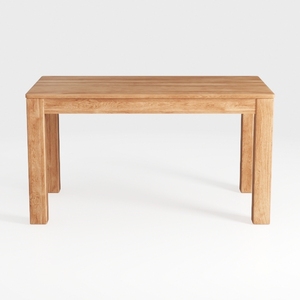
ZQQLVOO Writing Computer Desk,Home Office Desk,Hom
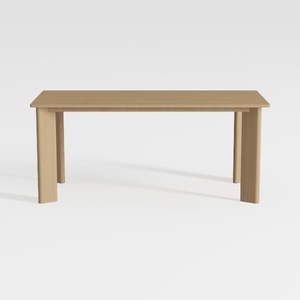

HON Coze Home Office Desks, Sturdy Table Computer
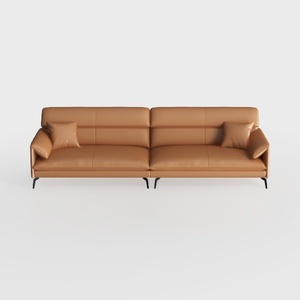
Modern Minimalist Tan Leather Living Room Sofa 3D Model
Homestyler is your go-to online home design platform, perfect for enthusiasts and professionals alike. With its user-friendly design tool, stunning 3D renderings, an array of design projects, and inspiring DIY video tutorials, transforming your home into a dream space has never been easier!
Projete agora para LIVRE
































