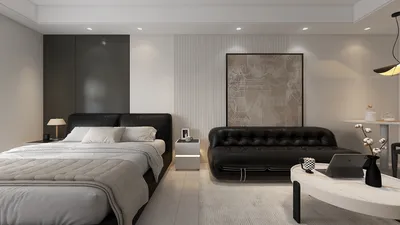


I have updated various outdated ceiling fixtures to contemporary tube lighting in living rooms, making the impact noticeable immediately: the space appears cleaner, lighting coverage is wider, and shadows are minimized. Tube lighting options—such as LED linear bars, slim battens, and architectural profiles—provide uninterrupted illumination that traditional flat panels or individual bulbs cannot match. When executed properly, it enhances the ambiance, creates an illusion of larger space, and accommodates essential living room activities, from reading and entertaining to unwinding after a long day, all while utilizing tools like Homestyler for effective layout design.
Two key metrics inform my choices. First, comfortable ambient levels in living rooms hover around 200–300 lux for seating areas, with task zones requiring approximately 300–500 lux; these figures correlate with standard residential practices aligned with IES recommendations for visual comfort and effective task visibility (refer to IES standards for illumination levels). Secondly, the importance of color rendering cannot be overstated: anything below a 90 CRI may dull wood hues and skin tones. The WELL v2 also prioritizes sufficient lighting and glare reduction within its Light concept, encouraging designers to achieve a harmonious balance between brightness and visual comfort rather than merely chasing higher lumens.
Selecting the Ideal Tube Light Specification
Begin with the design and lumen output. A 4-foot LED tube providing around 1500–3000 lumens generally works well in medium-sized living rooms, especially when combined with wall-washing or accent lighting. For elongated spaces, continuous lighting profiles ranging from 6 to 12 feet, or connected segments, help maintain high uniformity. I recommend aiming for a CRI of 90 or higher, with a color temperature of 2700–3000K for cozy evening lighting, switching to 3500K when a more polished, gallery-like appearance is desired. For optimal control, consider using triac-dimmable or 0–10V drivers that facilitate smooth brightness adjustments without flickering.
Mitigating Glare and Enhancing Visual Comfort
The quickest way to detract from a living room atmosphere is by installing a bare, high-output tube within direct sightlines. Instead, opt for opal lenses or microprismatic diffusers, and position them slightly above eye level in coves or along edges to illuminate surfaces rather than direct glare at viewers. The WELL v2 Light concept underscores the significance of glare management; I arrange fixtures parallel to major seating arrangements and depend on indirect lighting reflecting off walls and ceilings to soften harsh contrasts. If hotspots or scalloping occur, that often indicates either too close proximity to the surfaces or insufficient diffusion.
Color Temperature: Establishing the Right Atmosphere
While a static 3000K is a safe option, living rooms truly benefit from using tunable white lighting. Opt for a warmer 2700K for movie nights and a neutral 3500K during the day for clarity. Should you be showcasing art or photography, maintain a CRI of 90–95 to capture reds and wood grain beautifully. In terms of color psychology, warmer hues promote relaxation and social interaction, while cooler tones boost alertness—leverage this insight to create inviting scenes without oscillating between extremes.
Creating Layered Illumination with Tube Fixtures
Tube lights excel at providing ambient lighting. Incorporate slim under-shelf lighting strips for task and reading purposes. A cove along the television wall alleviates eye strain by enhancing surrounding luminance, and installing a perimeter ceiling run gives low ceilings a more spacious feel. In compact areas, positioning linear fixtures close to walls can wash vertical surfaces with light; brighter walls enhance the perceived spaciousness more than bright floors do.
Strategy and Layout for Placement
Effective placement hinges on user behavior: ensure seat clusters receive indirect light, circulation paths are evenly illuminated, and focal walls enjoy controlled washes of light. Calculate the distances; a ceiling-mounted linear wash positioned 24–36 inches from a wall represents a solid guideline. For quick iterations, using a room layout tool can facilitate testing of fixture placements, beam spreads, and brightness adjustments before making permanent installations.
Utilizing a Room Layout Tool
Dimming, Scene Creation, and Daily Rhythm Management
Integrate tube fixtures with intelligent dimming systems or simple 0–10V controllers. Establish three distinct lighting scenes: daytime (3500K, ~300 lux), hosting (3000K, layered accents, ~250 lux), and wind-down (2700K, ~150–200 lux). Ensure transition times are gentle to prevent visual fatigue. When natural light is available, balance electric lighting with daylight; employing bright linear uplights is especially useful on overcast days without contributing to glare on screens.
Acoustics and Material Choices
Linear lighting typically sits near sound-absorbing treatments in ceilings. If your space has echo issues, consider using perforated acoustic panels equipped with integrated lighting slots. Choosing matte, low-gloss wall finishes helps minimize specular glare produced by linear fixtures. Warm-toned woods and textured fabrics enhance visual comfort when complemented by high-CRI lighting, enriching the material composition of the room.
Energy Efficiency and Maintenance Considerations
Current LED tube options offer efficacy ratings between 90–110 lm/W, and sealed diffusers help keep dust at bay. Ensure drivers are easily accessible; poor maintenance ports pose the greatest challenges in refurbishing projects. Sticking with consistent brands for drivers and dimmers minimizes compatibility headaches, and it’s crucial to check flicker performance at low dim settings.
Common Pitfalls to Avoid
- Excess lighting: Pursuing higher lumen levels can result in glare and an uninviting flatness; aim for balanced lighting layers.
- Relying on a single fixture: A single bright tube may fail to illuminate corners and vertical elements adequately.
- Overlooking CRI: Lighting with a CRI below 90 can compromise the appearance of art and skin tones.
- Creating harsh shadows: Fine-tune spacing and diffusion to prevent unsightly striped ceilings.
- Skipping dimming options: Static lighting can feel inadequate from noon until midnight.
Budget Realities and Value Assessment
Mid-tier architectural LED profiles deliver the best mix: excellent diffusion, resilient finishes, and dependable drivers. If your budget is constrained, prioritize high CRI and dimming functionality over decorative details. For renters, surface-mounted battens paired with remote dimmers present a feasible upgrade without necessitating rewiring.
Installation Guidelines
Measure accurately; continuous lines reveal any misalignment imperfections. Maintain straight mounting rails using a laser, and double-check that ceiling anchors match the weight of the fixture. When using coves, consider painting the interior in a matte white finish to maximize light bounce and minimize hotspots.
Frequently Asked Questions (FAQ)
Aim for around 200–300 lux for ambient settings and 300–500 lux for areas designated for reading or specific tasks. These levels correspond with common residential practices and IES recommendations for comfortable visual engagement.
A color temperature of 3000K serves as a versatile standard. If you desire increased daytime clarity, utilizing 3500K works well. For evening comfort, 2700K creates a warmer feel. Tunable systems allow you to modify scenes without sacrificing CRI.
Absolutely. Opt for a CRI of 90 or above to maintain the integrity of skin tones, wood richness, and artistic accuracy. Lower CRIs flatten colors and diminish visual appeal.
Not if indirect placement techniques are applied. Position linear fixtures to wash the walls adjacent to or behind screens, raising ambient brightness and minimizing contrast without causing reflections on the display.
Triac dimming is effective for most residential setups; 0–10V provides superior control over low-level lighting and is recommended for multiple fixtures or long runs.
Indeed. Washing vertical surfaces and corners elevates peripheral illumination. Continuous linear runs around the perimeter of the ceiling can visually expand space limits.
Surface-mounted battens are manageable for DIY projects. For recessed coves, continuous profiles, or integrated controls, enlisting a licensed electrician ensures proper load handling, adherence to codes, and compatibility of drivers.
Utilize opal diffusers, maintain an appropriate setback from walls (24–36 inches), and ensure consistent spacing. If visible bands appear, enhance diffusion or revisit the mounting distance.
Refer to IES standards for illuminance and glare management, and check the WELL v2 Light concept for strategies aimed at enhancing comfort.
Seek LED tubes with efficiency ratings of 90–110 lm/W paired with high-quality drivers. Dimming capabilities promote energy savings and broaden perceived versatility.


Homestyler is your go-to online platform for all things home design! With a user-friendly design tool, stunning 3D renderings, and a wealth of creative projects and DIY video tutorials, it transforms your ideas into reality—perfect for both beginners and seasoned decorators alike!
Design Now for FREE
































