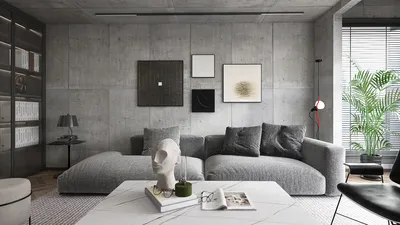


Incorporating black tiles into kitchen design creates a striking, architectural statement when done with precision. It's essential to establish a clear hierarchy of light, materials, and proportions to ensure that dark finishes appear crisp and not overwhelming. Sightlines and visual balance play a significant role in the aesthetic value of the tiles themselves. Research from Steelcase emphasizes the positive impact of well-lit environments on cognitive comfort, highlighting the importance of controlled lighting and low-glare surfaces when utilizing black tiles in kitchens. For optimal lighting, I target around 300–500 lux at work surfaces and maintain a color temperature between 2700–3000K to provide warmth, adhering to guidelines from the IES Lighting Library, while integrating software like Homestyler can help in visualizing these elements effortlessly.
The psychology of materials affects our perception. Dark, matte textures invoke a classic and grounded appearance, while glossy finishes reflect light and can create an illusion of expanded space. Additionally, color perception can influence human behavior within kitchen spaces. According to a color psychology overview by Verywell Mind, darker palettes convey sophistication and tranquility, which can balance bustling preparation areas. From a health standpoint, kitchens thrive with well-balanced illumination and reduced glare to minimize visual fatigue, as supported by the WELL v2 Lighting guidelines that emphasize glare control and ample luminance ratios as key comfort strategies.
Enhancing Black Tiles: Light, Contrast, and Proportion
When I design spaces featuring black tiles, I prioritize light hierarchy as my first strategy. Bright, targeted lighting is essential in areas like the sink, cooktop, and prep zones, while softer illumination can be used on perimeter walls to maintain a suitable mood. I prefer under-cabinet linear LEDs with a high Color Rendering Index (CRI) of 90 or above to make food appear appealing. Adhering to a luminance ratio of 1:3 to 1:5 between task and ambient lighting is crucial to preventing harsh contrasts. Matte black tiles minimize specular glare under downlights, while satin and gloss finishes reflect light, making compact kitchens appear larger.
Finish Selection: Matte, Satin, or High-Gloss?
• Matte porcelain: This is my preferred choice for busy splash zones as it hides fingerprints effectively and minimizes glare.
• Satin glazed ceramic: Offers a balanced sheen, perfect for vertical surfaces where gentle reflections are desired.
• High-gloss ceramic or glass: Extremely reflective and ideal for small kitchens to enhance light, although meticulous installation is crucial to ensure a seamless appearance.
Pattern Language: From Monolithic to Expressive
• Large-format porcelain slabs (24x48 inches or larger): These create a dramatic, seamless look behind a range or as extended backsplashes.
• Stacked vertical rectangles: This design adds height and rhythm, working beautifully in areas with tall ceilings and minimal cabinetry.
• Herringbone or chevron patterns in narrow planks: Adds visual movement; pairing with light grout offers striking graphic contrast.
• Kit-kat mosaics (finger tiles): Provide a tactile quality and subtle reflectiveness, particularly effective in bar niches and coffee corners.
• Hex or picket shapes: Adds geometric sophistication; consider matching grout for a cohesive appearance.
Grout Strategy: The 10% Rule
I adhere to a simple decision-making process: if the tile is the focal point, match grout within ±10% of the tile color; if the pattern stands out, create a contrast with at least a 30% value difference. Using epoxy grout can resist stains around ranges and sinks, whereas cement-based grout gives a softer, handcrafted appearance. For clean lines, opt for a 1/16 to 1/8-inch joint with rectified porcelain.
Balancing Dark with Warmth: Integrating Wood, Metal, and Color Accents
Black tiles truly shine when complemented by warm counters or cabinetry. My preference leans towards rift-cut white oak, brushed walnut, or caramel-toned ash to create a harmonious balance with cooler black surfaces. Utilizing softly textured stones—such as honed soapstone, leathered quartzite, or low-sheen quartz—aggressively mitigates glare and creates an authentic look under angled task lighting. Warm details like brushed brass or burnished bronze fixtures introduce warmth without contributing to design fatigue, while matte black accessories ensure a cohesive silhouette.
Backsplash to Floor: Optimal Applications for Black Tiles
• Full-height backsplash and range walls: Establish a gallery backdrop for open shelving or unobtrusive hoods, especially impactful with large-format tiles.
• Slip-resistant flooring: Seek porcelain with a DCOF rating of 0.42 or higher when wet for safety, as microtextures enhance usability in family kitchens.
• Island waterfall edges: Using black slab-style porcelain can create a striking and durable design feature.
• Niche settings and appliance garages: A black tile envelop can transform storage areas into appealing focal points when doors are opened.
Lighting Design for Kitchens Featuring Black Tiles
• Layered lighting: Utilize recessed or surface-mounted ambient light, under-cabinet task lighting, and accent rails to highlight backsplashes.
• Beam spread: Maintain a 36–60° spread for general lighting; use a narrower 15–25° for emphasizing tile textures.
• Color temperature: A range of 2700–3000K promotes warmth in food tones; ensure consistency in Color Correlated Temperature (CCT) and blend carefully to mitigate color shifts.
• Glare management: Employ recessed lights with regress baffles, low Unified Glare Ratings (UGR) fixtures, and diffused under-cabinet lenses to soften reflections on glossy tiles.
Tile Layout Tips to Make Black Tiles More Functional
Plan tile layouts around key alignments: for instance, align the hood width, window headers, and shelf supports. I often ensure the last row of tiles aligns with the undersides of upper cabinetry to avoid slivers. For non-standard walls, pre-plan corner terminations and edges with metal trims or custom miters for a refined finish. If experimenting with different tile sizes, utilizing a room layout software like Homestyler allows for visualizing scale, grout density, and light reflection paths before making final decisions.
Ergonomic Considerations in the Cookline Area
Practical edges are crucial: keep the preparation triangle clear and avoid glare on the splashbacks around the cooktop, which can be distracting while stirring. The tile sheen near the sink should be matte or satin to prevent micro-reflections on the water's surface. Heights for handles, accessibility of open shelving, and toe-kick recesses impact the perception within the dark architectural envelope—reduce visual clutter by consolidating electrical outlets and incorporating pop-up or rail-mounted power sources as per local codes.
Acoustic Comfort in Hard Surface Kitchens
Black tiles are often paired with various hard materials. To improve acoustics, I integrate soft absorptive elements such as wool runners, cork underlay beneath wooden floors, fabric window treatments, or acoustic panels, particularly in kitchens with high ceilings. Aim for a Noise Reduction Coefficient (NRC) of 0.6 or higher for overhead panels in expansive spaces to help manage noise during social gatherings.
Sustainability and Maintenance Considerations
Porcelain tiles generally offer excellent durability and low volatile organic compound (VOC) emissions. Always verify for third-party certifications and the presence of recycled materials. While black tiles can conceal minor stains, they may also highlight mineral deposits and soap films; keeping a neutral pH cleaner accessible and considering soft water for rinsing near the sink is wise. Opt for timeless patterns and enduring materials to lessen the amount of remodel waste in the long term.
Design Trends for 2024–2025 Featuring Black Tiles
• Graphite matte slabs combined with warm microcement flooring yield an art gallery-like kitchen space.
• Thin, ribbed black ceramic paired with illuminated shelves that enhance texture under soft light.
• Combining varied sheens: matte field tiles alongside shiny inlays, creating subtle patterns at the cooking area's focal point.
• Soft-black color schemes (like charcoal or anthracite) complemented by clay, wheat, and olive accents foster a balanced biophilic ambiance.
Installation Perfected: Details that Enhance Overall Appeal
Flat surfaces are paramount with darker finishes. Specify a level 5 drywall finish behind glossy tiles, use leveling spacers for large tile installations, and check substrate tolerances (not exceeding 1/8 inch over 10 feet for sizable slabs). For edges, powder-coated trims or precisely mitered corners ensure sharp transitions. Seal cut edges on ceramics to prevent moisture infiltration at outlets and edges.
Small Kitchens: Creating an Airy Feel with Black
• Restrict the use of black tiles to one prominent surface while balancing them with light-colored counters and ceilings for a sense of space.
• Employ vertical stacking patterns to enhance height, and use continuous open shelving to minimize the bulkiness of cabinets.
• Opt for gloss or satin finishes on backsplashes, with strategic lighting to reflect brightness across the entire room.
Open-Plan Kitchens: Zoning with Black Tile
Use black tiles to delineate the cooking area, establishing it as a visual "hearth". Extend the tile laterally beyond the cabinetry to frame the overall design. In open living areas, a texturally rich black backsplash serves as a subtle backdrop for both dining and lounge spaces, especially under soft, dimmable evening lighting. Utilize a design planner to mock up transitions and heights to ensure that sightlines are well-considered from adjoining rooms.
Cost-Effective Strategies to Achieve the Look
Combine a premium focal wall using large format porcelain or ribbed ceramic tiles with more standard field tiles positioned elsewhere. Incorporate contrasting grout only where it amplifies value, such as behind open shelving or near a coffee station. Position gloss tiles at the cooking niche and matte tiles in cleanup areas to balance both performance and visual interest without overspending.
Proven Pairings I Favor
• A black matte herringbone backsplash combined with oak slab doors, brass pulls, and honed quartzite countertops offers a timeless touch.
• High-gloss black kit-kat tiles in a niche complemented by integrated LED lighting and smoked glass cabinetry.
• Large-format black porcelain tiles behind the range, paired with a plaster hood, walnut island, and leathered soapstone for a cohesive look.
Frequently Asked Questions
I aim for work surfaces to have 300–500 lux using 2700–3000K LED sources and maintain a high CRI of 90 or above. Softer ambient lighting is essential, and glare should be minimized with the use of baffles and diffusers, in line with recommendations from the IES Lighting Library.
Using gloss finishes can enhance light reflection and make compact spaces appear larger, but it requires excellent substrate preparation and cleaning practices. Conversely, matte surfaces effectively hide smudges and lessen glare beneath downlights, making them ideal for areas near sinks and cooktops.
Balance darker elements with warm woods, lighter countertops, and open shelves. Stacked vertical patterns along with integrated lighting help lift and add dimension to the space.
For a unified look, match grout to create a seamless and calming surface; choose contrasting lighter colors for bold patterns like herringbone or mosaics. Epoxy grout is advisable for splash zones due to its superior stain resistance.
Yes, ensure you choose slip-resistant porcelain (DCOF ≥ 0.42 when wet) that has a subtle textural finish. Dark flooring can show dust; select a light peppered or charcoal finish to effectively conceal debris between cleanings.
Incorporate soft elements like rugs, upholstered furniture, curtains, and if feasible, acoustic panels with NRC ratings of 0.6 or above in high spaces to help moderate noise and improve conversational clarity.
Simple patterns such as stacked rectangles, large slabs, or timeless herringbone in either matte or satin finishes work best. Pair these with natural wood elements and understated metals for durability and style longevity.
Indeed, deep greens, clay reds, or muted blues pair beautifully with black tiles. Ensure hardware consistency while allowing under-cabinet lighting to reveal both color depth and texture.
Use color-matched edge trims or mitered corners to elevate the quality of installations. Align tile terminations with cabinet edges, hood widths, and window alignments to prevent awkward slivers.
A neutral pH cleaner is advisable, alongside microfiber cloths and squeegees for cleaning glossy tiles around sinks. Seal cementitious grout to ensure longevity; while epoxy grout needs less upkeep, it benefits from regular cleaning routines.
Discover your creative potential with Homestyler! This user-friendly online design platform offers a powerful design tool, stunning 3D renderings, and a wealth of inspiring design projects. Plus, with helpful video tutorials, transforming your space has never been easier. Start designing today!
Progetta ora GRATIS
































