


To create an unforgettable interior, one must begin with subtlety—the way scent influences our perception can often predate our awareness of color, light, or texture. I treat room diffuser oils similarly to how I plan lighting or sound: as a crucial design layer aimed at enhancing behavior, comfort, and identity. Studies indicate that smell is intricately linked to memory and emotion; fragrances can uplift moods, aid routines, and reinforce brand identities in settings like hotels and offices. By thoughtfully selecting the appropriate diffuser oil and delivery method, you can not only elevate perceived cleanliness but also lessen environmental stresses when paired with careful light and material choices, such as those offered by Homestyler.
Design choices should transcend mere intuition. According to Steelcase, a notable 41% of employees prioritize environments that promote well-being, highlighting how olfactory comfort can work in tandem with ergonomic seating and glare reduction. The WELL Building Standard emphasizes minimizing irritants while promoting sensory comfort, advocating for the alignment of fragrance usage with ventilation and material safety—see their concepts for Air and Mind: WELL v2. Additionally, colors influence mood and behavior; Verywell Mind mentions that cooler tones can impart calmness, while warmer shades invigorate. Aromas can mirror these cues by pairing citrus or herbal notes with active areas, and soft woods or floral scents with restorative zones, providing a cohesive sensory experience that can be enhanced using tools like Homestyler.
In projects where continuity and spatial relationships are paramount, the intention behind space dictates where diffusers are positioned. In open-concept homes or mixed-use offices, I first outline circulation paths and seating arrangements, followed by testing diffusion patterns to prevent concentrated olfactory hotspots. When simulating layouts, I often place diffusers as one would configure task lighting—positioned away from primary seating, adjacent to air returns, or close to thresholds. A room layout tool can assist in quickly visualizing and planning the placement of diffusers, ensuring they harmonize with airflow, light settings, and pedestrian pathways—tools like Homestyler can aid tremendously in this visual planning process.
Exploring Room Diffuser Oils
Room diffuser oils can primarily be categorized into pure essential oils or fragrance oils, which often combine both natural and synthetic elements. While essential oils provide complexity and various wellness associations, they differ in volatility and stability. High-terpene citrus oils diffuse rapidly, whereas resinous or woody scents may linger longer. Fragrance oils offer consistent dispersion and stability, making them ideal for commercial areas or high-traffic venues, although it’s essential to confirm IFRA compliance and check for common allergens. In either scenario, utilizing reputable suppliers who disclose allergens and dilution instructions is essential, especially when considering products from Homestyler.
Types of Diffusers and Their Optimal Uses
Reed diffusers are passive and require minimal upkeep, releasing a gentle, continuous aroma. They are particularly effective in smaller areas such as bedrooms or entryways where a consistent background fragrance is desired. For average-sized rooms, employ 6–10 reeds and remember to turn them no more than once a week to prevent oversaturation.
Water-based diffusers release micro-droplets and can add a slight humidity benefit. These are suitable for living rooms, studio apartments, and compact workspaces. Regular cleaning is necessary to avoid buildup; I recommend thorough maintenance weekly to uphold clean scent profiles and prevent microbial growth.
For a stronger scent throw without water, pure oil atomizers work best. These are ideal for expansive spaces, high ceilings, or hospitality venues. However, since scent intensity can increase rapidly, I prefer devices that come with timers and adjustable outputs, paired with sufficient ventilation for best results.
For larger residences, boutique accommodations, or brand-centric workplaces, integrating HVAC systems for scent distribution allows for uniform coverage and scheduling control. This approach requires professional calibration to prevent sensory fatigue and to align with mechanical ventilation strategies. Collaborating with MEP teams is crucial to direct fragrance to public zones while limiting it in restorative areas.
The Connection Between Scent Families and Spatial Intent
I often map fragrance notes to specific activities and times of day, making sure to conduct in-situ testing:
Blend fragrances to reflect your material choices: for a travertine-and-oak living room, a cedar-citrus combination works beautifully; a sleek kitchen can handle brighter, herbal top notes that dissipate quickly after meal preparation.
Illumination, Color, and Scent Perception
Lighting significantly influences our perception of scent strength. Under warm ambient lighting (2700–3000K), cozy amber or woody fragrances seem richer, while neutral-white task environments (3500–4000K) render herbal and citrus scents as fresher. Controlling glare through layered lighting solutions is imperative; the Illuminating Engineering Society (IES) recommends aiming for task illuminance levels of 300–500 lux in residential workspaces, which complements fresher scent profiles nicely (referring to IES standards). Aligning color temperature with fragrance intentions is vital to prevent mismatches—warm lighting should pair with comforting scents, while neutral lighting suits bright, lively fragrances.
The Ergonomics of Scent: Dose, Distance, Duration
Comfort relies on how much one is exposed. I establish three factors—dose (concentration of oil), distance (proximity to noses and air returns), and duration (cycles for dispersal). Begin with a lower concentration: 2–4 drops for every 100 ml in ultrasonic devices; 30–60 minute cycles in occupied rooms; ensure a distance of at least 2 m from prolonged seating to avoid scent hotspots. In bedrooms, I recommend a 30-minute pre-sleep cycle that concludes before lights-out to minimize overexposure and maintain ideal sleep hygiene.
Air Quality, Safety, and Sensitivities
Never allow scent to mask subpar air quality. Prioritize proper ventilation, filtration, and low-VOC materials prior to adding fragrances. The WELL framework emphasizes reducing irritants while fostering occupant comfort (see WELL v2). Opt for phthalate-free formulations, adhere to IFRA guidelines, and clearly label blends for guests or colleagues with sensitivities. Avoid diffusion near young children, pets (especially cats sensitive to certain essential oils), and always keep oils away from flames and sunlight.
Strategy for Placement and Layout
Position diffusers near circulation routes or secondary seating zones rather than directly on desks or bedside tables. Maintain distance from return air grilles to prevent over-dilution, yet utilize gentle convection near entrances and warm surfaces for even scent dispersion. In elongated rooms, utilizing two lower-output diffusers placed at opposing ends will create better balance than relying on a single powerful unit. Before finalizing, map out furniture arrangements and airflow considerations; a design visualization tool can be invaluable for testing coverage and avoiding clashes with art, textiles, or delicate surfaces, including options available through Homestyler.
Compatibility with Materials and Maintenance
Essential oils have the potential to stain porous stones, untreated wood, and certain composite materials. It's advisable to use non-porous trays (ceramic or glass) and avoid placing bottles directly on marble or limestone. Promptly wipe away spills. For ultrasonic units, empty and rinse daily if utilized frequently; perform a deep clean weekly using a mild vinegar solution, ensuring thorough rinsing afterward. Replace reeds monthly for consistent performance.
Emphasizing Seasonal and Circadian Scenting
Seasonal transitions provide an excellent design opportunity. Spring encourages the use of green florals and citrus scents; summer is ideal for marine and herbaceous notes; fall suggests warmer, woody fragrances; while winter favors resinous balms and soft ambers. Align scents with the duration of daylight: brighter mornings call for uplifting top notes, while evenings benefit from deeper base scents. Ensure that transitions between fragrances are subtle to avoid olfactory fatigue.
Designing for Varied Olfactory Preferences
In shared spaces such as apartments or offices, it’s best to choose lighter, cleaner scents with low allergen attributes. Gradually introduce scents and seek feedback. Create fragrance-free zones and consider time-limited diffusion to honor diverse sensitivities. In workplace settings, research by Steelcase and Herman Miller on well-being emphasizes the importance of autonomy and control, suggesting that allowing individuals to manage their scent environment aligns with these principles.
My Go-To Fragrances: Reliable and Versatile Choices
For most interiors, I keep a selection of core fragrances on hand for blending: bergamot (bright yet soft), petitgrain (green-citrus with woody undertones), cedarwood (grounding), lavender (soothing and familiar), and cardamom (warmth without heaviness). I typically layer two to three notes while maintaining a moderate overall concentration. Testing blends on cotton pads in the intended space for 24 hours helps to observe their evolution prior to full application.
Addressing Common Issues: Troubleshooting
FAQ
Start with 2–4 drops per 100 ml of water. Assess the fragrance after 30 minutes and adjust accordingly. In smaller spaces, keep diffusion cycles short and increase only if the scent dissipates too quickly.
Implement intermittent schedules (e.g., 30 minutes on and 60 minutes off), rotate among scent families weekly, and steer clear of heavier base notes as daily staples. Adequate ventilation is essential to refresh the air and reset olfactory senses.
The choice hinges on specific needs. Essential oils provide natural depth yet exhibit variability in stability and strength. Fragrance oils yield consistency and a robust scent throw. For sensitive households, opt for phthalate-free and IFRA-compliant products, and conduct patch tests before use.
Position the diffuser 2–3 meters from the bed, avoiding direct airflow towards the face. Operate for 20–30 minutes before sleep and cease operation during the night for optimal air comfort.
Caution must prevail. Certain oils can pose risks to pets—especially cats. Use fragrances sparingly, ensure there's an exit path for them, and consult a veterinarian regarding regular usage. Never apply oils directly to pets or their sleeping areas.
Warm ambient lighting in the range of 2700–3000K complements lavender, neroli, and soft wood scents well. Avoid high-glare lighting; use layered solutions to create a comfortable environment.
Ensure precise dosing, align schedules with occupancy levels, and distribute scents across multiple points. Partner with mechanical engineers to achieve balance with air circulation rates.
Yes, concentrated oils have the potential to etch or stain porous materials. Utilize non-porous trays, avoid contact with marble or limestone surfaces, and clean any spills immediately.
Consider experimenting with a light citrus-herbal mix—such as bergamot combined with rosemary or eucalyptus—for short intervals. It offers a clean scent, promotes alertness, and dissipates quickly after a working period.
Map out seating arrangements and circulation before deploying several low-output diffusers rather than relying on a single high-output unit. Utilizing layout simulation or a room design tool can aid in positioning diffusers strategically around traffic patterns and keeping them clear of air return grilles.
Rinse the unit daily if used frequently and conduct a deep clean weekly using a mild vinegar solution, followed by thorough rinsing. Replace water each time to prevent stale odors.
Establish fragrance-free zones, operate diffusers only in unoccupied spaces before arrival, choose gentle scents at lower concentrations, and ensure clear communication regarding ingredients used.
A light, fresh scent (citrus, herbal) typically indicates cleanliness. It should complement genuine hygiene practices and adequate ventilation; the fragrance must enhance rather than conceal air quality.
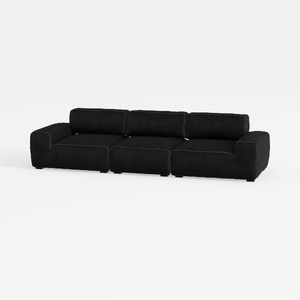

Minimalist Black Fabric Modular Sofa 3D Model
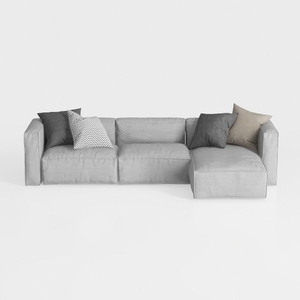
Minimalist Light Gray Fabric L Shaped Sectional Sofa 3D Model

Minimalist Fabric Three Seater Sofa with Decorative Pillows and Throws 3D Model
Looking to transform your home with ease? Homestyler offers an intuitive online design tool coupled with stunning 3D renderings, diverse design projects, and helpful DIY video tutorials. It's perfect for both beginners and seasoned designers eager to visualize their dream spaces effortlessly.
Zaprojektuj teraz za darmo
































