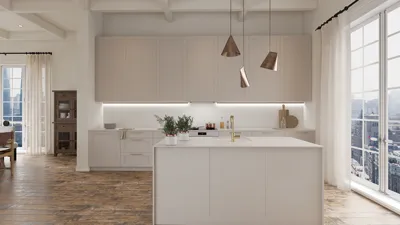


For years, I've focused on optimizing scent, light, and airflow in various environments, particularly in homes and hospitality venues. The main takeaway: a room freshener is most effective when it enhances well-ventilated, well-lit, and ergonomically designed spaces. Incorporating a blend of natural essential oils can elevate perceived air quality and overall mood, provided it aligns with sound indoor air quality practices—prioritizing ventilation first, followed by scent integration, such as with Homestyler for optimal ambiance.
Designing with Scent in Mind: Begin with Air Quality and Lighting
I prioritize proper ventilation and source control before introducing any scents. Research from Steelcase shows that elements like air quality, thermal comfort, and acoustics significantly impact focus and overall well-being in indoor settings. Moreover, environmental satisfaction correlates positively with perceived performance in workplace studies. The WELL v2 standard emphasizes adequate ventilation and low-emission materials as foundational aspects of indoor quality. When it comes to scent, I use it to enhance—and never to mask—the advantages of clean air and natural light. For creating an inviting evening atmosphere, warm LED lighting at 2700–3000K pairs beautifully with notes such as vanilla or cedarwood, while brighter daylight settings of 3500–4000K complement fresh citrus scents without feeling overly clinical.
Quick and Easy Natural Freshener Recipes
I maintain three essential blends for daily use. For a refreshing living room vibe, mix 6 drops of sweet orange, 3 drops of lavender, and 2 drops of cedarwood into 120 ml of distilled water with 1 teaspoon of witch hazel as a solubilizer. A great kitchen deodorizer combines 5 drops of lemon, 3 drops of peppermint, and 2 drops of tea tree—perfect for use after cooking without affecting fabrics. For a relaxing bedtime environment, try 4 drops of lavender alongside 2 drops of Roman chamomile and 1 drop of sandalwood. Always shake before use and mist into the air, avoiding direct application onto upholstery or polished wood.
Diffusers vs. Sprays: Selecting Your Preferred Method
While sprays offer quick, targeted freshness, ultrasonic diffusers deliver a soft, continuous aroma. The WELL guideline on indoor environmental quality highlights the need for humidity regulation; therefore, I limit the diffusers' runtime and position them away from bookshelves and electronics to prevent excessive moisture. For smaller spaces (under 150 square feet), 3–5 drops are generally sufficient. In larger areas, I prefer diffusing scents in designated zones rather than intensifying the aroma, as fragrance should be a delightful revelation rather than overbearing.
The Psychology of Scent and Behavior
Color and scent can create a harmonious effect. Bright citrus fragrances evoke a sense of cheerfulness, aligning with how warm color palettes positively influence our mood. Lavender's calming properties harmonize well with lower light levels and soft textures, encouraging relaxation. In kitchens or home offices, peppermint's crispness is paired with cooler light and orderly surroundings. Keeping scent compositions simple enhances clarity for our brain, which typically prefers less crowded olfactory experiences.
Choosing Materials, Safety, and Sustainability
Opt for pure essential oils from trusted suppliers and store them in dark glass containers to preserve quality. If you're experimenting with blends, test them on inconspicuous areas first, as natural does not equate to risk-free. For homes with pets or sensitive individuals, avoid strong oils like tea tree and high menthol levels. I advocate for using recyclable glass containers, plant-based solubilizers, and refillable atomizers to promote sustainability. Before introducing any scent to mask persistent odors, ensure you’ve identified and addressed the root causes such as compromised HVAC filters or damp textiles.
Balancing Light, Sound, and Routine
I incorporate scent into my daily routine: open windows for five minutes, adjust the lighting according to the activity, and set the sound environment (ambient for relaxing, quiet for concentration), followed by a light misting of fragrance. Recommendations on glare management from IES remind me to maintain comfortable lighting since harsh illumination can undermine the relaxing effects of scent, creating stress instead. A good acoustic environment—mitigating hard echoes with textiles like rugs and curtains—allows subtle aromas to feel intentional rather than compensatory.
Room-Specific Strategies
In living rooms, establish routines with a zesty citrus scent in the morning and a warm wood-lavender combination at night. In kitchens, utilize lemon and peppermint blends post-cooking, while ensuring windows are open and range hood filters are fresh. For bedrooms, keep scents minimal and low in intensity; just one or two drops in a diffuser for half an hour before sleep works wonders. Home offices benefit from micro-doses of peppermint or rosemary to stave off scent fatigue, ensuring regular ventilation breaks help reset the atmosphere.
Room Layout, Air Movement, and Placement
Scent disperses in relation to airflow patterns. In rectangular rooms, I position diffusers along the longer axis to facilitate an even spread away from HVAC vents, preventing rapid dispersion. In smaller apartments, I mimic airflow dynamics and sightlines to place diffusers in low-traffic areas where evaporation will not directly affect textiles; utilizing a simple layout planner can also aid in visualizing circulation and preventing overwhelming scents in seating arrangements. Consider a layout tool like Homestyler to optimize placement and schedules.
Research and Recommended Reading
For comprehensive standards on indoor environmental quality that prioritize occupant health, refer to WELL v2 guidelines. Workplace studies from Steelcase provide valuable insights into comfort and performance that can be seamlessly applied to home environments, especially in home offices and study areas. These references underscore that scent is a delightful enhancement rather than a substitute for the essentials of good ventilation, comfortable lighting, appropriate materials, and acoustic balance.
Tips 1: Favor Calibration Over Intensity
Less is often more. Start with half the amount you think you need and gradually increase. The goal is to create a subtle atmosphere that feels fresh and inviting rather than overwhelmingly fragrant.
Tips 2: Adjust to the Seasons
In spring, opt for herbaceous and citrus scents; summer is perfect for mint and delicate floral blends; autumn pairs well with woody and spicy fragrances; in winter, warm aromas like vanilla and balsam, mixed with a hint of orange, feel comforting.
Tips 3: Cleaning and Scent Synergy
Integrate scented routines with regular maintenance like changing air filters, opening windows frequently, and utilizing breathable natural fiber textiles. In clean, low-dust environments, scents last longer and are more effective.
FAQ
Q1: What’s the ideal number of drops for a 120 ml room spray?
A: Typically, 8–12 drops are adequate. Start on the lower side to avoid overpowering aromas and adjust based on your space and ventilation.
Q2: Are ultrasonic diffusers safe for wooden furniture?
A: It’s best to place diffusers on trays and away from sensitive finishes. Short runtimes minimize localized humidity; avoid locations directly above wood surfaces.
Q3: Which scents promote relaxation in bedrooms?
A: Reliable calming scents include lavender and chamomile. Utilize low lighting (around 2700–3000K) and maintain minimal intensity for the best effect.
Q4: Can essential oils substitute for proper ventilation?
A: No, they should complement fresh airflow and effective filtration. Open windows whenever possible and tackle odor sources before applying scents.
Q5: What is the best diffuser placement in a small living room?
A: Position it along the room’s longer axis, discreetly away from HVAC vents and direct sunlight, and ensure it’s not placed close to seating to prevent concentrated scent streams.
Q6: Are citrus oils safe for pets?
A: Use citrus oils with caution and at very low intensities. Ensure pets are removed from direct exposure, and consult a veterinarian for species-specific advice.
Q7: How can I avoid scent fatigue during work hours?
A: Employ micro-doses (2–3 drops), ventilate during breaks, and rotate between aromas like peppermint in the morning and rosemary in the afternoon for variety.
Q8: Can I apply room sprays directly onto fabrics?
A: It's best to avoid direct application. Essential oils may stain or interact with finishes; instead, mist the air and let scents disperse naturally.
Q9: What lighting works best with invigorating scents?
A: Cooler white light around 3500–4000K aids in maintaining alertness and pairs well with citrus or peppermint during the day.
Q10: Do essential oils effectively neutralize cooking odors?
A: Absolutely, lemon and peppermint blends can refresh kitchens after cooking, but make sure to activate your range hood and ventilate to eliminate sources of odor first.
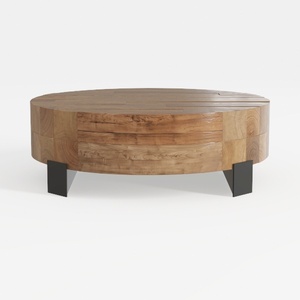

SIMPLIHOME Rayburn Drum Coffee Table - 38 inch

Minimalist Brown Leather L-shaped Sectional Sofa 3D Model
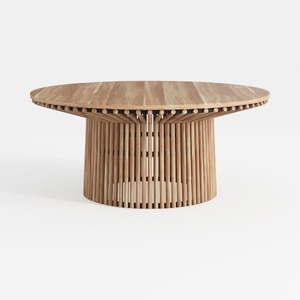
Merax Outdoor Dining Table 47.25" Round Extra
Homestyler is your go-to online home design platform! With its user-friendly design tool, stunning 3D renderings, and a wealth of design projects alongside DIY video tutorials, it's never been easier to bring your home décor ideas to reality. Start designing today!
Concevez maintenant gratuitement
































