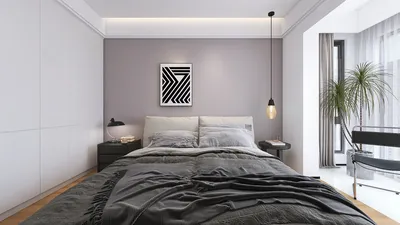


I appreciate how the perfect line on a wall can establish the atmosphere of a space—whether it be tranquil, sociable, or subtly adventurous. In hostel accommodations, quotes serve more than decorative purposes; they influence behavior, promote connections, and harmonize the energy within shared living arrangements. Strategically placed, they can guide serene mornings, inspire respectful sharing, and capture the playful spontaneity that travelers often seek.
Effective design can indeed be quantified, even when considering something as basic as text on a wall. The WELL v2 standard champions environments that nurture mental health via biophilic elements and positive messaging, ensuring that quotes align with restorative areas and soothing lighting that fulfills visual comfort needs (WELL Mind concept). According to research by Steelcase, individuals' sense of control over their surroundings significantly influences their satisfaction and performance; clear signage and supportive messages can decrease cognitive burden and social tension in communal spaces (Steelcase Workplace Research). This insight leads me to view quotes as micro guiding signs and mood-enhancers, rather than mere decoration.
Quotes That Set Intention by Zone
Different areas foster diverse behaviors. I associate quotes with functions—sleeping, storing, studying, socializing—allowing words to gently nudge how the space should be utilized.
• "Rest is part of the journey."
• "Quiet is kindness."
• "Soft nights, bright mornings."
Utilize subdued color schemes (warm whites, sage greens, dusty blues) and soft 2700–3000K illumination to keep cortisol levels in check. The IES recommends proper task and ambient lighting; in sleeping quarters, strive for low-glare fixtures and layered light sources to avoid jarring contrasts.
• "Pack light, move freely."
• "Borrow space, return order."
• "Everything in its place, then adventure."
Position these quotes near lockers or storage areas. High-contrast typography boosts visibility in fluctuating lighting conditions. Pair these with basic graphic indicators so guests intuitively understand where to store items without needing staff prompts.
• "Make it count, then go explore."
• "Focus kindly."
• "Small tasks, big journeys."
Opt for cooler 3500–4000K task lighting with minimal glare. Keep messages succinct to reduce visual clutter. Reminders for ergonomic posture can be incorporated into icon designs—neutral wrist angles, screens at eye level—supported by best practices in human factors.
• "Stories make cities smaller."
• "Share the table, share the tale."
• "Strangers today, friends by checkout."
Warm colors and moderate lighting encourage lingering. I prefer larger typography with ample spacing so it is easily read across the room without dominating the conversation.
Color Psychology: Tuning Mood with Words
Color plays a crucial role in enhancing the emotional resonance of a quote. Cool blues foster focus and relaxation; warm terracotta and gentle golds energize and invite social interactions. As highlighted in Verywell Mind’s color psychology overview, blues often symbolize tranquility and trustworthiness, while warmer tones amplify the sense of energy and sociability—advantageous for hostel communal areas. I lean towards soft contrasts: dark ink on oatmeal-colored walls conveys a friendly atmosphere, steering clear of a corporate vibe.
Placement Principles for Shared Rooms
• Eye-level placement: align centerlines at 145–155 cm for optimal visibility across varying heights.
• Keep energizing quotes away from direct view of the beds; place calming phrases within the line of sight from pillows.
• Avoid clutter: one key quote per micro-zone along with small directional icons is sufficient.
• Maintain visual balance: align text blocks with bed frames or storage areas to create a sense of order and alleviate stress. For dorm-style arrangements, a subtle interior layout planner can help test sightlines and communal focal points; a quick check with a room layout tool can prevent conflicts between text across bunk beds.
Typography and Material Choices
Hostels see frequent turnover, so durability is just as critical as aesthetic appeal. I choose semi-matte paints to reduce glare and scuff marks, using vinyl-cut lettering with rounded edges to soften the overall impression. Humanist sans-serifs create a welcoming feel in multilingual settings. Maintain line lengths within 45–60 characters to avert scanning fatigue. For textured walls, elevate the lettering by 2–3 mm with a plaque or paint strip to enhance legibility.
Acoustic Comfort and Visual Rhythm
Quotes can visually soften a busy wall. I pair them with acoustic panels upholstered in fabrics that match the color behind the text; this aids in controlling sound reverberation while framing the words. In shared dorms, soft, sound-absorbing surfaces near social areas can diminish echoes and create a more tranquil atmosphere, supporting gentle messages about respect and shared quiet.
Light, Glare, and Night Etiquette
Words should never compete with lighting sources. I position quotes away from harsh lamps to prevent halo effects. For late-night usage, task lights near work areas should feature low-glare optics and warm dimming options, ensuring nearby sleepers aren’t overwhelmed with blue light. WELL v2 advises lighting strategies that protect circadian rhythms; paired with gentle instructions like "Light low, dreams high" in areas where night etiquette is crucial.
Behavioral Micro-Signs That Work
When seeking to encourage behavior without policing, I select brief, non-judgmental phrases:
• "Earbuds keep peace." situated by the social area.
• "Early flights, quiet nights." located near bunk ladders.
• "Tidy lockers, faster mornings." positioned by storage.
These messages resonate because they connect actions to benefits. Research from Steelcase and hospitality studies frequently emphasize that clarity and perceived equity are vital for cooperative behavior; succinct, empathetic phrases alleviate friction more effectively than poster-heavy rules.
Seasonal and Local Touches
Rotate a panel featuring city-specific sayings—"Find the sunrise on the east quay"—to cultivate a sense of place. Visitors often photograph these, effectively transforming hostel walls into community postcards. Maintain a neutral base palette to allow seasonal overlays to change without the need for repainting.
Curation: A Ready-to-Use List by Mood
Calm: "Breathe in, let the road wait." / "Quiet carries far."
Friendly: "Sit, share, stay a while." / "Good company is the best map."
Motivational: "Make today light to carry." / "Collect moments, not things."
Respectful: "Space is shared; kindness is yours." / "Rest well, roam well."
Playful: "Lost? You’re in the right place." / "Borrow a story, leave a smile."
Implementation Checklist
• Evaluate zones: sleep, storage, study, socialize.
• Analyze behavior: what activities should occur in each area?
• Choose one quote per zone, and add a small icon for clarity.
• Adjust color and lighting to reflect the mood (warm for social areas, cool for focus).
• Verify legibility (contrast ratio, glare management, mounting height).
• Utilize a room design visualization tool to test the layout before finalizing printings.
Reference Notes
For additional reading, the guidance on Mind and Light within the WELL v2 framework elaborates on how environmental cues bolster well-being, and Steelcase research delves into how clarity and control influence user experiences in shared spaces. Helpful primers include WELL v2 and Steelcase Research.
FAQ
Q1: How many quotes should I feature in a small dorm with 6–8 beds?
A: Ideally, one anchor quote per micro-zone is sufficient—sleep, storage, study, social—amounting to usually 3–4 in total. This minimizes visual distraction while still directing behavior.
Q2: Which colors are most effective for calming sleep areas?
A: Gentle, muted shades like warm white, sage green, and dusty blue paired with 2700–3000K lighting assist the body in winding down, as recommended by WELL v2 Light guidance.
Q3: What text size is optimal for easy readability?
A: Aim for a letter height of 80–120 mm for mid-range visibility across a room; closer task zones could reduce to 40–60 mm. Ensure generous spacing for enhanced clarity.
Q4: Can quotes enhance social behavior without imposing strict rules?
A: Absolutely. Brief, empathetic phrases that connect actions to their benefits—such as "Earbuds keep peace"—are generally more effective at reducing friction than extensive directive signage, in line with Steelcase’s research on perceived control.
Q5: What materials are best suited for high-traffic hostels?
A: Semi-matte scrubbable paint and vinyl-cut or UV-printed letters demonstrate strong durability. Steer clear of glossy finishes, which can enhance glare and reveal wear.
Q6: Where should I avoid placing quotes?
A: Keep energizing quotes out of direct sight from beds. Steer clear of areas with strong backlighting or visually busy environments that may hinder readability.
Q7: How do I cater to multilingual guests?
A: Implement universally friendly icons alongside simple English phrases. Humanist sans-serifs with clear letter forms tend to improve readability for guests from diverse language backgrounds.
Q8: What lighting works best with study quotes?
A: Utilize 3500–4000K task lighting with minimal glare to support focus without creating harsh conditions. Ensure direct light is shielded or diffused near shared sleeping spaces.
Q9: How frequently should I update quotes?
A: Seasonal or localized panels can rotate every three months. Maintain core behavioral cues consistently to prevent confusion.
Q10: Is there a quick way to test placements before finalizing?
A: Create mock-ups of sightlines and dimensions using a layout simulation tool to evaluate readability from beds and study areas.
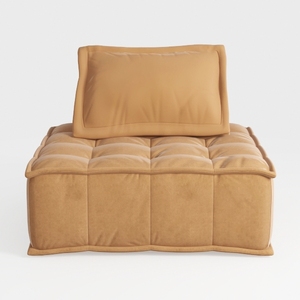
Minimalist Tan Fabric Tufted Ottoman with Accent Pillow 3D Model
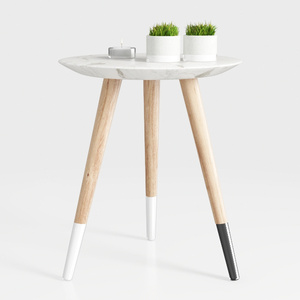
Round End Table - 2-Tone Mid-Century Modern Home
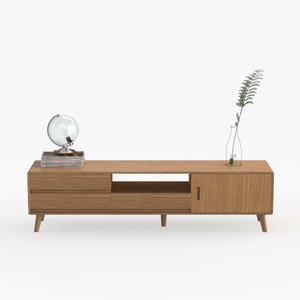
Walker Edison Arundo Fluted TV Stand for TVs up to
Discover your inner designer with Homestyler! This user-friendly online platform offers a powerful design tool, stunning 3D renderings, and a wealth of DIY tutorials. Whether you’re starting a simple project or a full redesign, Homestyler provides all the resources you need to create your dream space effortlessly.
Design Now for FREE
































