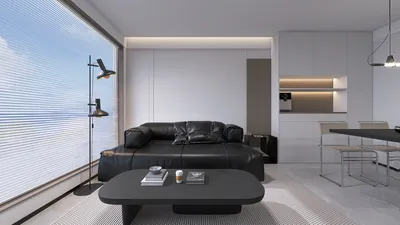


I appreciate how fabric infuses warmth, texture, and subtle elegance into a wall, free from the harsh reflection or echo characteristic of hard surfaces. By utilizing framed fabric art, I can extract patterns, colors, and tactile richness from textiles I own or have sourced sustainably. This allows me to craft personalized compositions that convey a unique charm. It effortlessly aligns with various spaces, whether enhancing a living room feature wall, softening a home office, or creating tranquility in a bedroom, especially with tools like Homestyler for planning.
Fabric art does more than enhance visual appeal—it significantly improves the livability of spaces. Textiles can absorb sound and enhance speech clarity; even minor acoustic adjustments can diminish echo. Research by Steelcase indicates that quiet work environments enhance focus and employee satisfaction, demonstrating that softer surfaces can boost human performance at home as well. The choice of color is crucial too: findings from Verywell Mind suggest that blues and greens evoke calmness and restoration, while warmer tones inject energy. I incorporate this knowledge when selecting fabric palettes to match the desired ambiance. For more insights about color psychology, check out Verywell Mind's discussion on color and emotion.
Comfort transcends mere aesthetics; the WELL v2 standards underscore the significance of using materials that minimize VOC emissions and promote occupant well-being. By opting for low-emission adhesives and natural fibers, your art can be as healthy as it is visually appealing. Whether you’re designing a gallery wall or aligning frames across a feature wall, using an interior layout planner like Homestyler can assist in visualizing spacing and sight lines before finalizing your design.
Plan Your Composition
I begin with the purpose of the room: is it a calm reading nook, an energetic dining area, or a focused home office? From this, I identify three key elements: primary color, secondary accent, and texture. A well-balanced palette typically features 60% dominant color, 30% supporting tones, and 10% eye-catching accents to create visual interest. Ensure that art aligns with sight lines in seating arrangements, positioning it comfortably within the central view (generally about 57–60 inches from the floor to cater to most eye levels). In multi-frame setups, I recommend maintaining a gap of 2–3 inches between frames to ensure visual breathing room and a cohesive grid appearance.
Choose Fabric Wisely
For a polished appearance, I gravitate towards linen, cotton duck, or wool blends—each fabric has its unique feel and interaction with light. The slight texture of linen introduces an organic quality in daylight; cotton duck serves as a smooth, matte background ideal for prints; wool contributes depth while softening high-frequency sounds, which can be beneficial in open spaces. If sustainability is on your agenda, consider repurposing remnants or utilizing deadstock materials. Be cautious with very thin, slippery fabrics unless you are prepared to support them with fusible interfacing to avoid unsightly ripples.
Frame Types and Glazing
Opting for simple, slender wooden frames in oak, walnut, or painted maple helps the fabric remain the focal point. Matting can enhance simple fabrics—ensure to use acid-free mats and backing to prevent discoloration over time. If glare is a concern, particularly near windows, I choose non-glare acrylic or museum glass. If improving acoustics is also a goal, shadow-box frames can include a thin acoustic felt behind the fabric, providing additional sound absorption while retaining a sophisticated look.
Color Psychology in Practice
Calming hues such as blues, muted greens, and soft neutrals are ideal for bedrooms and workspaces. Conversely, warm tones like corals, terracotta, and saffron energize living and dining areas. I often combine a soothing fabric base (like linen in pale sage) with a bolder accent (such as hand-printed cotton in rust) to strike the right emotional balance. The contrast ratio plays a significant role: high-contrast patterns can create dynamic focal points, while low-contrast textures offer subtle enhancement, contributing to a serene atmosphere.
Cutting, Backing, and Mounting
Start by laying the fabric on a clean, lint-free surface. Align the weave with the selvage and a clear quilting ruler for accuracy. Leave an additional 1–2 inches beyond the mat opening to ensure a secure wrap. For stability, adhere the fabric to acid-free foam core or mat board using archival photo corners or a light mist of low-VOC repositionable adhesive, avoiding heavy sprays that may bleed through. If your textile is delicate, apply fusible interfacing and press gently at the recommended temperature for stabilization without shine.
Stretching Without Ripples
Achieving a flat, smooth surface relies on even tension. Secure the fabric around the backer by starting with opposing sides, then work toward the corners. Tug gently—not aggressively—to maintain the alignment of the weave. For minor creases, steam can help; ensure the fabric dries thoroughly before sealing the frame to prevent moisture from clouding the glazing. With patterned fabrics, it is crucial to check that the verticals are aligned straightly with the frame, as even a slight tilt can be noticeably off at eye level.
Layering and Mixed Media
One of my preferred techniques involves layering shallow mats to create added depth: a basic linen piece, a narrow charcoal mat, and a foreground textile with minimal embroidery. This layered technique enhances sophistication without adding clutter, which is perfect for smaller spaces. For those who appreciate craft details, consider integrating a simple hand-stitched sashiko pattern or a subtle appliqué. However, keep embellishments minimal so the texture remains the dominant feature.
Scale, Proportion, and Groupings
Large single frames (24×36 inches or larger) can anchor expansive walls and reduce visual distraction. Triptychs are effective above sofas, with the center frame aligned with the seating midpoint and the outer frames spaced 2–3 inches apart. For gallery walls, I first design the layout digitally using an interior layout planner like Homestyler to check rhythm and alignment, ensuring a consistent baseline to tie the composition together, even with varied frame sizes.
Light, Glare, and Preservation
For optimal comfort in living areas, aim for ambient lighting around 300–500 lux; position accent lighting at roughly 30–45 degrees to the wall art to reduce glare. Warm white lighting (2700–3000K) creates an inviting atmosphere, whereas neutral white (3500–4000K) helps patterns maintain clarity. It's wise to protect natural fibers from direct sunlight; investing in UV-filtering glazing is worthwhile for cherished pieces. Dimmer switches also allow you to adjust the mood throughout the day.
Installation Details
Utilize two hooks per frame for stability and precision leveling. For drywall installations, use appropriate anchors along with screws; make sure to mark a level line and measure the frame's hang points accurately instead of relying on estimated wire drops. I carry a small spacing jig—essentially a piece of wood cut to 2 inches—for quickly standardizing gaps in gallery arrangements.
Styling with Furnishings
Incorporate a fabric from a cushion or throw pillow into the wall art to create a sense of continuity. If the textile features a pronounced motif, balance it with more subdued upholstery to avoid clashing patterns. Natural wood elements and textured ceramics pair beautifully with woven surfaces, while matte black accents provide a crisp frame for the compositions.
Care and Longevity
Use a microfiber cloth to dust frames and glass; steer clear of solvent cleaners near the fabric. If humidity fluctuates significantly, consider placing silica gel packets in shadow boxes to stabilize the microclimate. Should your fabric loosen over time, you can easily reopen the frame and adjust the tension—archival mounting makes maintenance a breeze.
Simple Step-by-Step
1) Choose fabric that aligns with the room’s mood and color theme. 2) Select the frame and mat; ensure the overall scale is appropriate. 3) Cut and square the fabric with a 1–2 inch margin for wrapping. 4) Stabilize delicate textiles properly. 5) Attach to acid-free backers using light, archival methods. 6) Stretch fabric evenly, secure it, and trim any excess. 7) Finally, seal the frame with clean glazing and hang it at eye level, adjusting lighting and spacing as needed.
FAQ
Q1: What fabric types work best for framed art?
A: Medium-weight linen, cotton duck, and wool blends maintain shape, stretch neatly, and showcase textures without creating glare. Very thin silks require interfacing; heavy upholstery fabrics risk looking bulky unless framed in shadow boxes.
Q2: How do I prevent fabric from wavering or sagging over time?
A: Utilize acid-free backing, apply even tension, and steer clear of humidity spikes. If necessary, introduce a light fusible interfacing to stabilize delicate weaves before mounting.
Q3: At what height should I hang fabric art?
A: Aim for a midpoint of around 57–60 inches from the floor, adjusting based on seating sightlines. In dining spaces, consider lowering slightly to keep the art within the eye level of seated guests.
Q4: How do I select colors that promote a favorable mood?
A: For tranquility, opt for blues and soft greens; for energy, choose warm corals and saffron. Neutral backgrounds help patterns read clearly, aligning with the established findings of color psychology, as referenced by Verywell Mind.
Q5: Is matting an essential feature?
A: Not necessarily. Matting provides visual separation and shields the fabric from direct contact with the glazing. Always use acid-free materials and keep the margins proportional—larger frames can handle wider mats without appearing overly heavy.
Q6: Can fabric art aid in sound absorption?
A: Indeed, soft and porous fabrics can absorb sound, helping to minimize echoes. While not a complete acoustic solution, framed textiles contribute to a quieter environment, complementing elements like rugs and curtains.
Q7: What type of lighting best showcases textiles?
A: Warm to neutral white lighting (2700–4000K) at moderate levels (about 300–500 lux) highlights textures beautifully. Position accent lights to reduce glare on the glazing by aiming at a 30–45 degree angle.
Q8: How can I design a gallery wall without making miscalculations?
A: First, arrange the frames on the floor to visualize the layout, determine consistent gaps, and then test a digital mock-up using an interior layout planner to assess scale and alignment before making any holes.
Q9: Are adhesives safe for fabric use?
A: Prefer low-VOC, repositionable sprays or archival tapes used sparingly; photo corners are the safest option. The WELL v2 criteria highlight the importance of material health, emphasizing that low-emission products support better indoor air quality.
Q10: What is the most effective way to clean framed fabric art?
A: Gently dust using a microfiber cloth. For cleaning the glazing, apply a non-ammonia cleaner to the cloth rather than directly to the frame, preventing seepage onto the textile.
Homestyler is your go-to online home design platform, perfect for all skill levels. With its user-friendly design tool, stunning 3D renderings, diverse design projects, and helpful DIY video tutorials, you can effortlessly create and visualize your dream space. Start designing today!
Design Now for FREE
































