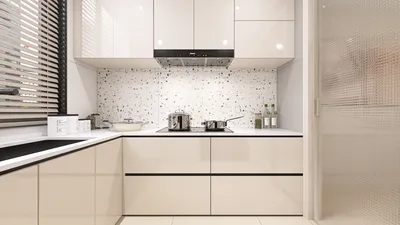


The atmosphere of a home is profoundly influenced by its hallways. I aim for tile hues that enhance brightness, conceal wear and tear, and harmonize with the architectural design, all while maintaining a sense of spaciousness. The ideal selections strike a balance among light reflectance, temperature of the color, slip resistance, and overall acoustics.
In corridors and hallways, color and light are deeply interconnected. The WELL v2 standard emphasizes the importance of lighting quality for visual comfort and circadian well-being, advocating for suitable brightness levels and glare reduction in circulation spaces. The Illuminating Engineering Society (IES) recommends typical illuminance levels ranging from 100 to 150 lux in public areas, increasing to 200 lux for visual tasks. These recommendations influence how different tiles will appear under actual lighting conditions. I ensure that my tile color choices are aligned with these standards to prevent colors from appearing washed out or muddy under normal lighting conditions.
Color impacts our perception and speed of movement in a space. Studies in color psychology reveal that cooler, lighter shades tend to create a calming effect and give the illusion of more space, while warm, vibrant colors can energize the environment. As transitional spaces, hallways greatly benefit from colors that stabilize the eye and facilitate movement, ensuring clear navigation without causing fatigue.
Selecting Tile Colors for Your Hallway
I begin with three key factors: the availability of daylight, types of artificial lighting, and the level of foot traffic in the household. Halls that face north or lack windows typically perform better with mid to light neutrals (LRV 45–70) which help to reflect light while also masking scuffs and dirt. In areas with abundant natural light, you can safely opt for deeper shades or patterned tiles without risk of losing clarity.
My go-to options for narrow hallways are warm off-whites, soft greige, and gentle beige tiles. These colors elevate the perceived height of the ceiling and maintain visual flow between rooms. When illuminated with residential lighting in the range of 2700–3000K, these tones offer a welcoming ambiance rather than feeling sterile. I prefer grout shades that are slightly darker than the tiles to minimize maintenance visibility and to subtly guide circulation.
Tiles in light to mid gray with a hint of warmth create a modern, balanced appearance and coordinate well with wood doors and black fixtures. They serve as a stylish transition in spaces with diverse color schemes. To maintain a warm tone, it is essential to pair gray tiles with lighting in the range of 3000–3500K and ensure a Color Rendering Index (CRI) of at least 90 to ensure accurate representation of wood and artwork.
In spacious or well-illuminated hallways, deeper tile options can provide a solid backdrop akin to an art gallery. Charcoal porcelain or honed slate can beautifully accentuate artwork and door details. If opting for darker tiles, I recommend matte or honed finishes to reduce glare and provide better traction. Soft wall surface lighting should be incorporated to avoid creating a confined feeling in the corridor.
Terracotta-inspired porcelain tiles offer warmth and richness, which are particularly appealing in heritage or Mediterranean-style homes. It's crucial to choose a shade that is moderate—opt for mid-value tones rather than deep brick red—to avoid visually shrinking the hallway. Complement these with warm white lighting and natural textiles like jute or linen to soften acoustic qualities.
Subtle hues like pale sage, misty blue-gray, or blush-beige tiles read as neutral from a distance but provide depth and interest up close. These options are ideal for homes with a light, airy aesthetic and are perfect for clients seeking a gentle touch of color without a strong commitment to bold shades.
Lighting, Glare, and Tile Finish
The relationship between tile surface gloss and light is crucial. High-gloss tiles may create dazzling reflections but could also highlight dirt and dust. In hallways, where the floor is viewed at a shallow angle, satin or matte finishes are more accommodating. Additionally, ensure vertical illumination is comfortable and avoid installing glaring downlights above high-sheen tiles to prevent visual fatigue. Refer to WELL v2’s light control guidelines for fixture placement and shielding solutions.
The temperature of lighting significantly influences mood. Warm LEDs at 2700–3000K enhance beige and earth tones, while cooler white lighting at 3500–4000K sharpens grays and blue-tinged neutrals. If the appearance of your art or door surfaces is important, it’s vital to maintain a CRI of 90 or higher to avoid skewing the color of adjacent materials.
Patterns, Scale, and Grout Considerations
For smaller halls, large-format tiles—such as 24×24 inches or 600×600 mm—are preferable as they minimize grout lines, creating a more expansive appearance. In elongated corridors, a subtle herringbone or linear plank layout can reduce monotony visually. Use low contrast in grout to create a seamless, user-friendly surface unless a distinct grid pattern is part of the design.
If you are evaluating tile sizes and layout before making a decision, consider using a room plotting tool to quickly visualize options and adjustments: Homestyler. This layout simulation tool makes it easy to iterate and refine your choices.
Safety, Ergonomics, and Acoustics
Hallways experience rapid movement, sharp turns, and frequent loads. I recommend specifying tiles that provide adequate slip resistance, typically R9 to R11 ratings depending on the household's specific needs, and favor honed or matte finishes for enhanced traction. Entryways that collect dirt benefit from slightly darker mid-tones that disguise debris until they can be cleaned. To mitigate noise often caused by hard surfaces, consider adding soft runners or acoustic wall treatments, particularly in narrow corridors where sound tends to bounce.
Behavioral Impact of Color: Aligning Tile Colors with Experiences
- Calm transit: light neutrals, pale sage, and dusty blue-gray reduce stress and facilitate navigation.
- A feeling of warmth: shades of beige, oat, and soft taupe encourage a more leisurely, interactive atmosphere—ideal for family-oriented spaces.
- Gallery-like backdrop: charcoal and warm gray tones draw attention to artwork and walls; enhance the effect with wall wash lighting.
- Timeless comfort: terracotta and clay-inspired tones provide a classic, tactile quality; balance with airy wall colors to prevent heaviness in the space.
Material Selection and Upkeep
In hallways, porcelain tiles excel due to their robustness, resistance to staining, and consistent color across batches. Natural stone offers unique beauty but requires sealing and stricter maintenance. For sustainability-focused designs, opt for porcelains that incorporate recycled materials and always choose low-VOC setting options. Keep cleaning straightforward by using pH-neutral cleaners and microfiber mops to maintain the finish; avoid using waxes that may increase slip hazard or alter reflectance.
Harmonizing with Doors, Trim, and Adjacent Spaces
I ensure that tile undertones coordinate with fixed elements including door types, stair treads, and trim colors. If the doors feature warm tones (oak, walnut), I suggest warm neutrals or taupes for the tiles; conversely, if doors are cooler or black, I recommend stepping toward gray or cooler beige options. For open layouts, keep hall tile colors within one undertone of adjacent spaces to maintain a coherent aesthetic.
Upcoming Design Trends for 2024–2025
- Low-sheen micro-textured porcelains that soften light and hide marks.
- Wider planks and larger formats to minimize grout lines.
- Earth-inspired neutrals paired with blackened metal accents for visual contrast, complemented by warm lighting for an inviting atmosphere.
- Subtle luxury palettes: porcelain that resembles stone in soft greige and warm gray, combined with natural textiles and gentle wall colors.
Recommended Real-World Combinations
- Compact condo hall: features 24×24 inches warm greige porcelain in satin finish, complemented with 3000K lighting and medium warm grout for a spacious, forgiving look.
- Family entryway: mid-tone taupe with a subtle speckle masking dirt, rated R10 for slip resistance, dark grout, and a durable runner by the entry.
- Art-centric corridor: charcoal honed tiles along with wall-wash LEDs, high CRI lighting, and light walls to avoid a cave-like appearance.
- Historic home: terracotta-look porcelain in a soft mid-tone, paired with 2700K lighting and brushed brass door fixtures.
Research References and Sources
For guidelines on light quality, glare management, and visual comfort standards, refer to WELL v2 Light features (Light Concept). For recommended illuminance levels in circulation areas, consult IES standards at ies.org/standards. Explore foundational literature on color psychology to better align your tile choices with your desired home atmosphere.
Frequently Asked Questions
Opt for light neutrals with an LRV of about 60–70, combined with large format tiles and minimal contrast in grout to visually expand the width of a space. Lay rectangular tiles across the shorter width to visually counter length.
Yes, as long as you select matte or honed finishes along with a mid-to-dark grout option. Dark tiles do a good job at hiding marks but may show dust, so an entry mat and a regular cleaning routine are essential.
Selecting warm-neutral LEDs at 3000–3500K with a CRI of 90 or above helps to avoid a cold appearance, ensuring that wooden materials and artwork stay true to color. Complement lighting with wall washing to minimize glare on the floor.
Align undertones: warmer woods like oak or walnut pair well with beige, greige, or warm gray tiles; cooler woods or black doors are best matched with neutral grays or taupes with a cooler hue.
Matte or satin finishes are generally recommended for hallways, as they tend to be more forgiving. Gloss finishes can look stunning but are more susceptible to glare and visible streaks, especially over long sightlines.
Choose grout that is one to two shades darker than the tile for lighter surfaces, or a close match for mid to dark tiles, which can help minimize visible stains and visual complexity.
Certainly—maintain low-contrast and medium-scale patterns. A soft herringbone or slight stone variation can add interest without visually constraining the space.
Light, de-saturated colors create a soothing atmosphere and make spaces feel airy; deeper neutrals add weight and enhance wall features. Warmer palettes create a welcoming feel, while cooler tones offer a refreshing and modern presentation.
For residential hallways, R9–R10 slip ratings are standard, while R11 is preferable in wetter settings. Always balance slip resistance with ease of cleaning and textural finish.
When your hallway connects to the entry, consider incorporating a slightly darker, textured area or inset mat to trap debris. The rest of the flooring should remain consistent for visual unity.
Utilize an interior layout planner like Homestyler to experiment with tile dimensions, arrangements, and lighting. This approach allows for rapid comparison of LRV and pattern implications through a home design visualization tool.
Neutral mid-value tones such as greige, warm gray, oat beige, and soft taupe offer timeless appeal and adaptability, complementing changing wall colors and furniture effectively.
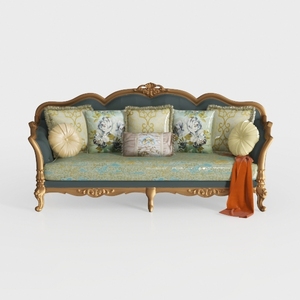

Vintage French Gold Trim Fabric Floral Upholstered Sofa 3D Model

LITTLE TREE 70.8-Inch Large Executive Desk, Modern

Modern Minimalist Solid Wood Round Dining Table With Black Metal Base 3D Model
Discover the ease of home design with Homestyler! This user-friendly platform offers a powerful online design tool, stunning 3D renderings, and a wealth of design projects and DIY video tutorials. Whether you're a beginner or a seasoned designer, Homestyler helps you transform your ideas into reality effortlessly.
Concevez maintenant gratuitement
































