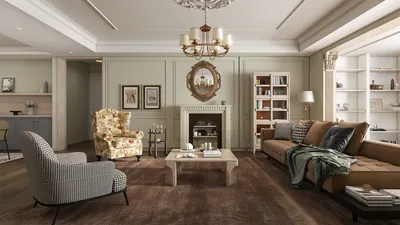


Indoor water fountains are often the understated elements that enhance a room's ambiance—artistic, serene, and beneficial when thoughtfully incorporated. The soothing sound of flowing water does more than just beautify a space; it effectively masks disruptive noises and enhances privacy perception. Research from Steelcase identifies noise as a primary source of stress in work environments, where strategies like sound masking are deemed highly effective interventions. Furthermore, wellness frameworks such as WELL v2 emphasize acoustic comfort and biophilia as critical factors for enhancing overall well-being, establishing a clear connection between controlled sound levels and improved mood. This reinforces my observation that strategically placed fountains serve as excellent sound barriers, promoting smoother transitions between tasks while reducing distracting chatter.
When it comes to lighting, the Illuminating Engineering Society (IES) suggests maintaining ambient lighting levels between 100 and 300 lux for living areas to ensure visual comfort, with task areas requiring up to 500 lux. For water features specifically, I prefer to keep illuminance around 150 to 250 lux while utilizing warm to neutral color temperatures (2700–3500K) to mitigate glare and enhance the reflective qualities of water without harsh hotspots. According to Verywell Mind's insights on color psychology, hues of blue and green are calming; pairing these colors with low-gloss finishes around the fountain accentuates a tranquil palette that resonates with the movement of water.
Elegance in Scale: Choosing the Right Fountain Size
The scale of the fountain is a crucial consideration. Small tabletop designs (20–40 cm tall) are ideally suited for shelves or console tables, adding a subtle movement without overshadowing the view. In medium-sized spaces (18–25 m²), a tall floor fountain (1.2–1.5 m) can elegantly anchor a seating area, while ensuring circulation paths remain unobstructed. For smaller apartments, wall-mounted fountains offer an excellent solution by conserving floor space and providing a sophisticated backdrop, particularly when paired with acoustic panels on adjacent walls. I recommend allowing at least a 900 mm clearance around any floor fountain to facilitate flow and prevent accidental contact.
Quiet by Design: Acoustic Comfort Without Echo
The sound profile of water elements can either soothe or distract. Aim for a sound pressure level of approximately 35–45 dBA when measured 1–2 meters from the fountain—just enough to mask light conversation without inducing fatigue. Utilize adjustable pumps to refine the flow; slower laminar streams create softer tones, while aerated cascades introduce sparkle but can amplify noise. Complement the fountain with materials that absorb sound—such as wool rugs, upholstered furniture, or micro-perforated panels—to mitigate high-frequency sounds and avoid echo. In open-plan living or home office environments, strategically placing a small fountain can act as an effective sound barrier near workstations. If you're looking to explore various layouts, utilizing an interior layout planner or a tool like Homestyler can greatly aid in visualizing circulation and acoustic placements.
Lighting the Water: Glare-Free Drama
Using LEDs with a high color rendering index (CRI over 90) enhances the natural beauty of stone and plants. I recommend employing indirect lighting—such as concealed linear LEDs that gently illuminate stone textures or backlight a water sheet—to prevent direct glare on the water's surface. Keep beam angles broad (30–60°) and install light sources outside the main reflection zone. For evening ambiance, using dimmable drivers allows you to adjust lighting levels so that the fountain becomes a serene focal point rather than an overwhelming spectacle.
Material Palettes: Stone, Metal, Glass, and Living Elements
Choosing materials carefully is vital; stone offers permanence, while honed basalt, slate, or limestone provide a tactile feel. Brushed stainless steel or bronze complements modern aesthetics with low maintenance requirements. Glass sheet waterfalls exude sophistication but require diligent upkeep to avoid mineral buildup. Incorporating living elements, such as moss panels or aquatic plants like peace lilies next to the basin, enhances biophilia. It is critical to select low-VOC and sealed finishes to withstand moisture. For flooring, opt for slip-resistant porcelain (R10–R11) around the basin area to ensure safety.
Ergonomics and Human Factors: Placement That Feels Natural
People inherently are drawn to gentle movement and soft sounds but tend to avoid clutter. Therefore, positioning a fountain directly behind seating or in narrow passageways should be avoided. In living areas, place fountains within peripheral sight lines—15–30 degrees away from the primary viewing area—to allow users to experience them without diverting attention from conversations or screens. For those working from home, consider placing fountains behind or beside the camera line to reduce distractions during video calls while maintaining a pleasant ambiance.
Styles and Configurations
Choose a compact ceramic or stone item that features a gentle bubble flow and river pebbles. Layer it with a walnut tray and a soft linen runner to absorb sound and safeguard surfaces.
Consider a wall-mounted sheet fountain with slate cladding that integrates linear LEDs illuminating the structure from above, making it a fitting choice for narrow living spaces where a slender feature wall adds depth.
A tall basalt column with a hidden ring spill and catch basin is ideal if placed near a cluster of plants—such as fiddle-leaf figs or bamboo—to enhance height and soften corners.
A brushed stainless steel trough with a subtle ripple maker offers a minimalist aesthetic. Pair it with cool neutrals and matte black fixtures to achieve a gallery-like atmosphere.
A recessed niche fountain featuring micro-mist and a moss wall can be enhanced by skylights or clerestory lighting, bringing a sense of natural rhythm into the core of your design.
Water Quality, Safety, and Maintenance
For optimal operation, use closed-loop systems that include easily accessible pumps. Ensure GFCI-protected outlets are installed, keeping electrical components clear of splash zones. To avoid mineral accumulation, utilize filtered water or a scale inhibitor; clean basins monthly and replace pump filters following manufacturer guidelines. Select anti-microbial, non-porous basin liners and seal adjacent walls to prevent moisture intrusion. For families with children or pets, ensure basins remain shallow and bases are stable with anti-tip safety hardware.
Color Psychology for Calming Rooms
Cool greens, gentle blues, and muted neutrals amplify the soothing effect of flowing water. According to research from Verywell Mind, blue evokes stability and calm, while green symbolizes balance and renewal. During the planning phase, using a desaturated base—like light taupe or warm gray—enables the incorporation of accent colors through plants, stone patterns, or patinaed metals to prevent visual chaos.
Integrating with Layout and Circulation
Fountains should not obstruct pathways. Maintain a clear circulation channel of 900–1000 mm along key routes and 600–800 mm adjacent to display areas. Use the fountain as a visual cue for wayfinding—such as at the transition between living and dining spaces—where its sound can naturally indicate a change in zone. When testing various layout options, a room design visualization tool like Homestyler can assist in evaluating zoning changes and validating sightlines.
Sustainability and Responsible Water Use
Choose recirculating pumps equipped with variable speed, timer controls, and energy-efficient LED lighting. Opt for locally sourced stone or recycled materials to minimize embodied carbon. Incorporating plants can enhance indoor air quality, while closed-loop systems dramatically decrease water wastage compared to traditional setups.
Installation Checklist
- Verify structural support and floor load for large installations.
- Provide GFCI outlets within a safe distance and establish effective cable management.
- Ensure splash guard or basin lip sizing prevents water seepage.
- Confirm acoustic targets (35–45 dBA) and lighting standards (150–250 lux).
- Plan for maintenance access to avoid the need to move heavy elements.
- Protect surfaces with moisture-resistant sealers.
FAQ
Q1: How loud should an indoor fountain be?
A: Aiming for around 35–45 dBA at 1–2 meters is ideal. Utilize adjustable pumps and laminar flow paths for sound optimization.
Q2: What is the best lighting for water features?
A: Indirect, dimmable LEDs with a CRI of 90+. Keep light levels between 150-250 lux and color temperatures from 2700-3500K to reduce glare.
Q3: What materials require the least maintenance?
A: Honed stones (like basalt or slate), brushed stainless steel, and sealed ceramics work best. Avoid high-gloss finishes prone to mineral spotting.
Q4: How can I prevent mineral buildup?
A: Use filtered water or scale inhibitors, perform monthly cleanings, and replace pump filters as advised by the manufacturer.
Q5: Can fountains enhance focus in home office settings?
A: Absolutely. The gentle sound of water can effectively mask distracting noises. Steelcase research points to noise as a significant distraction, meaning controlled ambient sounds can be beneficial.
Q6: What is the safest fountain placement?
A: Ensure clear circulation (900–1000 mm), avoid constricted areas, employ anti-tip hardware, and position GFCI outlets away from splash zones.
Q7: How do color choices influence a calming atmosphere?
A: Blues and greens lend a calming and balancing effect; incorporate them as accents with low-gloss finishes for an inviting environment.
Q8: Are wall-mounted fountains a good fit for small spaces?
A: Yes, definitely. They save precious floor space, create vertical dynamics, and can serve as effective sound buffers in tandem with soft furnishings.
Q9: How can I regulate humidity with a fountain?
A: Select closed-loop systems that minimize misting, ensure proper ventilation, and avoid placing fountains near sensitive materials.
Q10: What maintenance routine is recommended?
A: Regularly inspect pumps, clean basins, wipe surfaces to prevent scaling, and periodically check electrical connections.

Minimalist Light Blue Metal Side Table 3D Model

Modern Iridescent Glass Metal Round Coffee Table 3D Model
Ostrich Ladies Comfort Lounger, Foldable Beach
Homestyler is your go-to online home design platform, perfect for anyone looking to create stunning spaces. With its easy-to-use design tool, impressive 3D renderings, and a wealth of DIY video tutorials, you can transform your home ideas into reality effortlessly!
Design Now for FREE
































