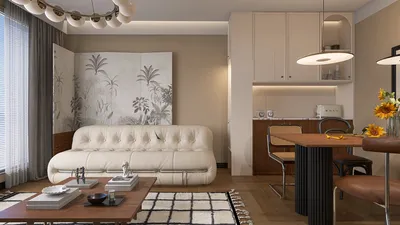


I have installed numerous half wall panelings across various spaces—ranging from compact city entries and kids’ rooms to peaceful home offices. The charm of a half wall, also known as wainscoting, lies in its ability to instantly enhance the proportions and durability of a room without demanding a hefty budget or extensive time. When executed correctly, it refines the flow of a space, minimizes scuff marks, and introduces visual rhythm along the perimeter—all achievable in a single weekend.
Several key insights guide my approach. Firstly, Gensler’s research indicates that well-designed wall surfaces and visual patterns can decrease the sense of clutter and enhance focus—an advantage that can also be realized at home by introducing lower wall contrasts. Secondly, the WELL v2 standards encourage limiting bright, reflective surfaces in both work and relaxation areas; a matte half wall in a carefully chosen color band effectively controls glare and visual distractions while allowing the upper wall to remain bright for light diffusion. For an in-depth exploration of how environment impacts wellness, refer to WELL v2, and for insights on layout and behavior connections, check out Gensler Research Institute.
Plan the Height, Proportions, and Rhythm
Traditionally, chair-rail heights range from 32 to 36 inches, but proportion trumps tradition. I often aim for one-third of the ceiling height in rooms below 9 feet (approximately 32–36 inches), and adjust it to 36–42 inches in taller areas to maintain visual weight. Ensure that stiles (the vertical battens) are either evenly spaced (6 to 12 inches apart for a balanced look) or aligned with the centers of windows and doors to prevent awkward near-misses. In smaller entries, a tighter spacing of 6 to 8 inches appears crisp and intentional; whereas, in bedrooms and dining areas, 10 to 14 inches promotes a more serene atmosphere.
Map the Perimeter and Resolve Corners
Before making any cuts, I outline the layout with blue tape, particularly around inside and outside corners and potential interruptions like switches, vents, and outlets. If your space presents furniture conflicts, a quick digital layout using a room planner, such as those found with Homestyler, can help identify issues before purchasing materials.
Select the Right Material for Performance
For painted battens, moisture-resistant MDF (11/16 to 3/4 inch) results in clean edges in dry areas; utilize primed finger-jointed pine or poplar for bathrooms or damp entryways. Panels can include drywall (no paneling), plywood, or beadboard—maintain consistent thicknesses for a flush trim finish. Opt for low-VOC primers and paints, aiming for a washable eggshell or satin finish on the lower wall for durability, while using a matte finish above for reduced glare. In areas where acoustics are important (like nurseries or media rooms), a dense plywood backer, paired with soft furnishings, can improve sound absorption without installing visible panels.
Color Psychology and Contrast
Half walls are ideal for managing contrast. Grounded, muted greens and blues foster calm and a sense of order, while warmer neutrals invigorate social spaces. Keep the Light Reflectance Value (LRV) of the lower wall between 25 and 45 to ground the room, while the upper wall can be 15 to 25 points higher to reflect daylight. The insights from Verywell Mind on color psychology align with my observations: cool tones ease tension, whereas warm, subdued hues offer a welcoming atmosphere without overwhelming the senses.
Lighting Considerations
Grazing light can expose flaws—beneficial for highlighting textures but detrimental for revealing uneven joints. If you experience strong side lighting, it’s vital to prioritize precise joint preparation or select a texture that embraces shadow lines (like beadboard or V-groove). Maintain consistent color temperatures (2700 to 3000K for residential settings and 3500K for work areas). Avoid high-gloss finishes on the lower walls, as the shine can be distracting and accentuate dust and imperfections.
Ergonomics, Edges, and Everyday Use
In frequently trafficked corridors, I prefer a bullnose or eased-edge cap to minimize snags. For kids’ rooms, where possible, I elevate outlets to the top rail and keep the rail’s depth under 1 inch to prevent injuries. If adding hooks, back-block first; a 1x4 ledger behind drywall will save future headaches. In dining rooms, ensure that chair backs do not strike the cap—slightly raising the rail (to 36–38 inches) or selecting a slimmer profile will help.
Weekend Timeline and Tool Set
Day 1: Plan, cut, and install. Day 2: Fill, sand, caulk, and paint.
Perform a dry-fit of long runs before nailing; secure the top rail level, then work downward. I typically use glue and pin-nails for a neat appearance with fewer visible holes.
Detailing: Rails, Stiles, and Returns
For the top rail, a 1x3 or 1x4 with simple cap molding exudes a contemporary style and is easier to clean than elaborate profiles. Stiles measuring between 2.25 and 3 inches wide offer versatility. Plan the cadence of stiles to align neatly at the ends—custom cut the last stile to a consistent width rather than leaving a narrow sliver. At outside corners, return the cap to the wall with a 45-degree miter for a polished appearance.
Substrate Prep and Wall Flatness
Address significant wall imperfections prior to paneling, as half walls can accentuate undulations. I apply skim compound as needed, sand it down, and then prime the entire lower area. Priming first mitigates flashing and minimizes the visibility of caulk or filler under the paint.
Paint System and Durability
Individually prime wood components, sand them down, and then assemble. After installation, I apply caulk to the vertical and horizontal seams sparingly—just enough to close hairline gaps, without altering the natural profiles. Two finishing coats on the lower wall provide the washability required in entry areas and dining rooms. Ensure consistent sheen across components for a unified appearance.
Budgeting and Sourcing
Anticipate material costs ranging from $3 to $8 per linear foot, which varies based on the species and profile selected. MDF and primed pine represent a cost-effective option. Invest in high-quality caulk and primer; they can significantly impact the longevity of the finish, transforming it from a one-year outcome to a ten-year result.
Common Pitfalls I See
Room-by-Room Tips
Entry/Mudroom: Install a 1x ledger behind the rail for hooks. Use satin or semi-gloss finishes for easier cleaning.
Home Office: Maintain a lighter upper wall to allow ample vertical light; the lower band in a muted tone assists in decreasing visual clutter and enhancing concentration—an observation supported by Gensler research showing how visual order can boost cognitive performance.
Kids’ Rooms: Opt for rounded edges, resilient enamel paint, and stile spacing that corresponds with furniture to minimize bumps.
Dining Room: Adopting a slightly wider stile rhythm (10–14 inches) conveys a calm and formal vibe; anchor this with a deeper cap.
Layout Simulation Before You Cut
If you are coordinating windows, doors, and outlet placements, using a layout planner, such as Homestyler, can save time and help visualize stile spacing, rail height, and furniture clearances before you start your project.
Step-by-Step Summary
Touch-ups are simple. Keep a labeled pint of finish paint handy; using a micro-roller for repairs blends better than touch-ups done solely with a brush. Recaulk any hairline cracks that develop with seasonal humidity changes.
FAQ
A common guideline is that one-third of the ceiling height is ideal. In 8 to 9-foot rooms, 32 to 36 inches typically works well; in taller spaces, 36 to 42 inches anchors the room without appearing heavy.
Yes, but it’s best to skim coat the lower section first to ensure a clear shadow line along stiles and rails. Texture can be noticeable under paint and look uneven when illuminated by grazing light.
For dry interiors, primed MDF performs well if sealed on all edges and finished with a washable enamel. In damp areas or spaces subject to moisture, opt for primed pine or poplar.
Plan stiles to navigate around devices or integrate the devices within a stile. Use box extenders to align outlets with the new thickness of trim.
Eggshell or satin finishes on the lower wall provide a balance of ease of cleaning and glare reduction; a matte finish on the upper wall helps diffuse light and minimizes visual noise.
A darker lower band paired with a lighter upper wall can indeed elevate the perceived ceiling, as long as contrast is balanced. Consistency in stile rhythm contributes to a calm visual experience.
Utilize a mitered return on the cap, or install a slim corner guard painted to blend in. Eased edges can prevent chipping in high-traffic corridors.
Cut and install on Day 1; fill, sand, and paint on Day 2. Pre-priming parts helps reduce drying time and enhances the quality of the finish.
Marginally. Heavier substrates and a continuous lower band add a touch of sound absorption. Combine with rugs, curtains, and upholstered furniture for a noticeable improvement.
Not necessarily. Many profiles can be applied over existing baseboards. If you choose to remove them, ensure a clean transition while matching the thickness to avoid ledges.
Use brad nails sparingly in conjunction with construction adhesive. Fill holes with a non-shrinking wood filler, sand, and spot-prime before applying topcoats.
To accommodate wall contours, scribe the stiles using a block plane or oscillating tool. Keep the rail level as stiles adjust to minor wall deviations.
Homestyler is your go-to online home design platform, perfect for transforming ideas into reality. With its user-friendly design tool, stunning 3D renderings, and a wealth of DIY video tutorials, you can easily create and visualize your dream spaces, no matter your experience level.
Design Now for FREE
































