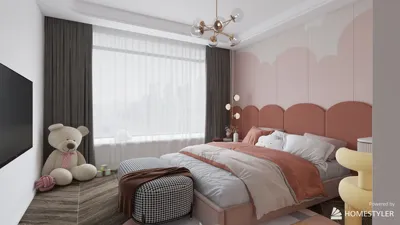


Incorporating flowers into your interior design not only adds a touch of warmth but also creates a delightful rhythm within a space. For optimal results, consider them as integral elements of your comprehensive interior strategy. I approach floral design using four key aspects: light, color, scale, and longevity. When these elements harmonize, floral arrangements can achieve a sophisticated elegance rather than overwhelming opulence, especially when complemented by tools like Homestyler for layout planning.
The quality of lighting plays a crucial role in the way floral arrangements and colors are perceived throughout the day. According to the Illuminating Engineering Society, it's recommended to use 300–500 lux for task-oriented areas such as offices, while typical lux levels in living spaces are around 100–300. Poor lighting can cause foliage to appear dull and distort petal hues, whereas overly bright light can create glare on shiny leaves. WELL v2 standards also highlight the importance of aligning lighting with our circadian rhythms and controlling glare to maintain the serene texture of blossoms, essential in spaces like bedrooms or lounges. I carefully design floral displays to maximize both diffuse ambient light and dimmable accents, ensuring colors remain true while avoiding harsh shadows. For more extensive insights into how environment impacts mood and focus in workspaces, Steelcase research provides useful data, while Verywell Mind offers a thoughtful introduction to color psychology.
Using Florals as a Color Strategy
Floral design is an effective approach to subtly influence a color palette. For instance, soft pink peonies can introduce warmth to a cool gray decor, whereas chartreuse orchids can invigorate a subdued dining area without overwhelming it. Verywell Mind suggests that green hues are linked to concepts of balance and renewal, which is why a simple bundle of eucalyptus can bring tranquility to an active entryway. I ensure that the tones of the flowers correlate with the underlying shades of walls and textiles: for example, a room featuring warm white paint (LRV above 80 with a hint of yellow) pairs exquisitely with coral ranunculus, while cooler whites harmonize better with blue hydrangeas or soft lavender colors.
Scale, Proportion, and Visual Harmony
The proportions of flowers dictate whether the arrangements feel chic or chaotic. In smaller bedrooms, a 1:3 ratio works effectively, with one focal piece and two smaller accents placed strategically across the room to maintain visual harmony without clutter. In spacious open-concept living areas, I like to vary height—placing tall stems on consoles, medium-height arrangements on coffee tables, and low bowls at the dining table—to create a cascading visual flow. Repetition also plays an important role; having three similar bud vases evenly spaced along a shelf enhances coherence without transforming the shelf into a floral display.
Light Temperature and Managing Glare
The warmth or coolness of lighting significantly alters the ambiance that blooms impart. A warm temperature of 2700K to 3000K in living spaces accentuates reds and oranges, while 3500K to 4000K supports a fresher look for whites and greens in kitchens. Keeping beam angles greater than 30° minimizes reflections on shiny leaves, and integrating diffusers can soften strong highlights. As your space evolves, consider testing sightlines using a room layout application like Homestyler, which helps to ensure flower arrangements don't obstruct crucial task areas or reading zones.
Living, Dried, and Printed Floral Variations
Each floral format serves a distinct design purpose and has different maintenance needs.
Strategic Placement in Everyday Spaces
In the entryway, a single sculptural arrangement sets a welcoming tone; ensure clear sightlines by keeping the height below two-thirds of any mirrors nearby. In the living room, it's beneficial to distribute three varying heights throughout the space, steering clear of a singular floral focal point. On dining tables, opt for low bowls or compact, hand-tied bouquets that maintain conversation flow—8 to 12 inches tall is ideal. In the bedroom, an understated arrangement such as lisianthus or ranunculus paired with lightly scented candles sets a calming atmosphere. For the home office, select small foliage-centric arrangements to minimize visual clutter; greens can enhance feelings of tranquility in line with color psychology principles.
Sound, Materials, and Sustainable Choices
The selection of floral types interacts significantly with surrounding material choices. Soft fabrics such as wool and heavy linen absorb sound, creating a soothing backdrop for floral displays, while hard surfaces like stone and glass may make vibrant blooms feel overly sharp; consider adding runners or fabric panels for acoustic comfort. For sustainability, prioritize locally sourced and seasonal flowers, as well as reusable vases. Dried flowers sourced from responsible farms retain color without requiring weekly water changes. When utilizing wallpapers or printed textiles, opt for low-VOC materials to minimize any chemical scents that may overshadow natural aromas.
Floral Arrangements in Compact Spaces
In smaller studios, utilizing vertical spaces is advantageous. Wall-mounted bud vases and slim shelves help keep surfaces clear. Stick to single-color schemes to avoid visual clutter; for example, white cosmos or green hellebores against soft walls create an airy feel. If circulation paths are narrow, simulate placement using an interior layout planner such as Homestyler before making any permanent adjustments to avoid obstructing door swings or desk access.
Seasonal Changes and Longevity
I maintain a seasonal floral matrix: spring features tulips, hyacinths, and lilacs; summer brings peonies and dahlias; autumn includes chrysanthemums and eucalyptus; and winter showcases amaryllis and paperwhites. This seasonal rhythm rejuvenates spaces and aligns with bloom availability, minimizing costs and environmental impact. For extending the lifespan of flowers, recut stems at a 45-degree angle, refresh water every other day, and keep arrangements clear of heating vents.
Scent and Behavioral Impact
Fragrance can greatly affect behavior and mood. In dining areas, it's advisable to avoid heavily scented flowers that could clash with food aromas; opting for citrusy fragrances feels cleaner and won’t linger excessively. Bedrooms benefit from light, powdery scents, while office spaces perform better with fresh green, herbal notes that provide a pleasant ambiance without distractions. Ensure that fragrance levels are balanced with proper ventilation to achieve a comfortable scent flow.
Harmonizing Florals with Art and Furniture
To unify a room, echo a color from a piece of artwork in a floral accent. For spaces featuring richly grained woods like walnut or oak, select blooms that offer subtle tonal depth, such as burgundy ranunculus or deep plum tulips, to create harmony rather than competition for visual interest. In minimalist settings characterized by light woods and white upholstery, florals can serve as the primary pop of color; keep arrangements orderly to preserve a serene feel.
Effortless Maintenance
Opt for resilient flowers—varieties such as alstroemeria, chrysanthemums, and carnations endure longer and handle temperature fluctuations well. For dried arrangements, dust them monthly with a soft brush and protect them from direct sunlight to prevent fading. When it comes to printed flower patterns, maintain careful scale management; limit to two patterns alongside solid colors to avoid overwhelming compact spaces.
Frequently Asked Questions
Aim for ambient lighting levels of 100–300 lux in living areas and 300–500 lux for work zones as advised by IES. Dimmable accent lighting and diffusers are effective in reducing glare on glossy foliage.
A warm color temperature of 2700–3000K enhances reds, oranges, and creams, whereas a neutral 3500–4000K promotes freshness in whites and greens; cooler temperatures of 4000–5000K are optimal for modern kitchens adorned with simple green arrangements.
Utilize the 1:3 ratio: one standout floral piece accompanied by two smaller decorative accents across the room. Ensure dining centerpieces remain below 12 inches to maintain unobstructed sightlines.
Hardy botanicals and resilient foliage like eucalyptus and ruscus withstand higher traffic and temperature variations better than delicate blooms. Pair them with robust vases and matte finishes for a balanced look.
Incorporate foliage-forward designs with calming greens, consistent with findings on color-emotion correlations. Keep arrangements compact and out of direct sightlines to minimize distractions.
You can maintain a cohesive look if you manage scale and contrast effectively. Large floral repeats appear more tranquil when paired with a restrained color palette, while smaller prints add texture — ideal for powder rooms and accent niches.
Ensure floral sustainability by choosing local seasonal flowers, reusable vases, and low-VOC materials. Dried arrangements lessen the need for watering and frequent renewals.
To minimize glare, keep accent lighting above a 30° angle, utilize diffusers, and avoid placing arrangements directly beneath overhead lights that could create harsh highlights.
Follow seasonal availability: spring bulbs, summer peonies and dahlias, autumn chrysanthemums and foliage, and winter amaryllis and paperwhites. This strategy keeps your interiors vibrant and budget-friendly.
To achieve visual rhythm, distribute heights effectively — tall pieces on consoles, medium arrangements on coffee tables, and low displays on dining tables help maintain clear sightlines between different areas.


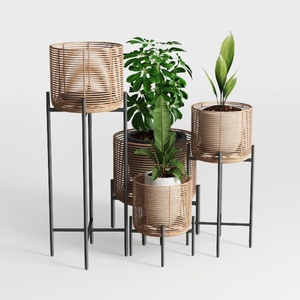

Homestyler is your go-to online home design platform, offering an intuitive design tool, impressive 3D renderings, and a wealth of inspiring design projects. With easy-to-follow DIY tutorials, you can effortlessly transform your living space, no experience needed! Explore your creativity today with Homestyler!
Progetta ora GRATIS
































