

Living rooms embody the essence of a home; thoughtfully selected planters can enhance that ambiance through form, texture, and life. When choosing pots, I prefer those that serve dual purposes—framing the plant like an artistic piece while ensuring optimal growth conditions through appropriate sizing, drainage, and placement. Research by Gensler indicates that access to natural elements is linked to improved well-being and productivity, with views of nature being significant contributors; incorporating plants into social spaces can evoke similar benefits. Additionally, studies from Steelcase show that environments rich in biophilic elements enhance cognitive function and lower stress, reinforcing that planter selection goes beyond aesthetics—it influences behavior.
Focusing on comfort, the WELL v2 standards emphasize the importance of indoor air quality, natural connections, and lighting for occupant health; numerous indoor plants can enhance perceived air freshness and modify humidity levels. Regarding ergonomics, insights from Herman Miller reveal that visual complexity and material warmth contribute to reduced fatigue—planters with textures such as matte ceramic or honed stone can help mitigate glare (the IES advises regulating brightness contrasts to alleviate visual strain), and taller planters can shield against low-angle sunlight while refining sightlines. These principles shape my approach to selecting, sizing, and positioning planters.
Key Guidelines for Sizing Planters to Elevate Your Living Room
Proportions are key for harmonious design. Typically, select a planter that is 2–4 inches wider in diameter than the nursery pot for most indoor plants, allowing roots adequate space without increasing the risk of overwatering. For larger floor plants like fiddle leaf figs or rubber trees, aim for a pot height approximately one-third to one-half the height of the plant’s foliage; this ratio ensures visual harmony and keeps the planter from overwhelming the space. In smaller living areas, I recommend keeping tall planters between 18 to 24 inches in height to maintain sightlines and allow for a minimum of 36 inches for unobstructed movement.
Importance of Material: Ceramic, Fiberstone, Metal, and Wood
Glazed ceramic is excellent at retaining moisture, making it ideal for plants that thrive in consistent hydration (such as calatheas). Matte glazes reduce light reflections and glare. Unglazed terracotta is breathable, perfect for cacti and succulents but necessitates more frequent watering; pairing it with a drainage saucer and felt pads can help protect flooring. Fiberstone and GFRC are lightweight, offering a stone-like appearance that is beneficial for larger formats on upper floors; they resist chipping and withstand minor impacts during cleaning. Powder-coated metal provides a sleek, modern look but should include an inner plastic liner to prevent corrosion and mineral buildup. Sealed wood or bamboo adds warmth and acoustic absorption; ensuring an internal waterproof sleeve is vital to prevent warping and maintain indoor humidity with the help of tools like Homestyler for layout planning.
Ensuring Proper Drainage, Liners, and Floor Protection
For healthy root systems, air flow is essential. If you adore a decorative cachepot that lacks drainage holes, keep the plant in its nursery grow pot and place it inside; elevate it with pot feet to create an air gap, ensuring you remove excess water after watering. When using planters with drainage, always include a saucer and add felt or cork pad for floor protection. I often incorporate 1–2 inches of LECA or lava rock at the bottom of planters to promote airflow (not as a drainage substitute, but to prevent soil compaction). This straightforward method helps prevent the most common cause of indoor plant decline: overwatering.
Planters’ Shapes and Proportions: Cylinders, Footed, Pedestal, and Tapered Designs
Cylindrical planters are versatile and modern, well-suited for various species. Tapered designs can visually lighten heavier masses, fitting perfectly in circulation areas thanks to their compact footprint. Footed and pedestal planters raise plants to the eye level of seated guests, subtly separating conversation zones. When a gentle room divider is needed, I group three planters of varying heights (for example, 12, 18, and 24 inches) to establish rhythm without the weight of a solid wall, allowing tools like Homestyler to assist in visualizing these arrangements.
Strategizing Colors Around Living Room Psychology
Color significantly influences our perception of space and mood. Cooler neutral tones (like stone, gray, and putty) recede visually, making plants appear lusher. Deep greens or charcoal pots frame plants similarly to a gallery mat, enhancing contrast. According to color psychology insights from Verywell Mind, greens impart calmness and balance; employing green-toned planters reinforces the biophilic theme without overbearing the color scheme. In lively rooms with bold textiles, I gravitate towards textured neutrals to restore visual balance and minimize overstimulation.
Lighting Control, Glare Management, and Plant Health
Natural light influences where plants should be positioned more than decor itself. The IES suggests managing brightness ratios to reduce discomfort; a matte or softly textured planter helps diffuse reflections from windows, avoiding intense glare at eye level. For bright exposures to the south or west, utilize taller pots or plant stands to elevate foliage above heated window sills, and rotate plants monthly to encourage even growth. In dimly lit corners, combine low-light species (like ZZ and snake plants) with light-hued pots to reflect available light onto the leaves. Avoid placing shiny white planters directly opposite TV screens to minimize glare during evening watch.
Sound Absorption and Traffic Flow Considerations
Lush foliage and airy materials can gently absorb sound, minimizing echo in living rooms with hard surfaces. A trio of medium-sized planters arranged behind a sofa can break up sound reverberation while defining pathways. Ensure at least 30–36 inches of open space; position taller planters on the edges of traffic routes to avoid damaging leaves. For areas with high family activity, select stable, wide-base planters to reduce tipping risk and consider utilizing weighted inserts.
Guidelines for Planter Placement in Varied Living Rooms
For small apartments: Place one tall statement planter by the window and two smaller on a console to create layers without overwhelming the space. In open-plan living areas: Line up planters to delineate the lounge area from the dining zone; variate the heights of plants to maintain sightlines to windows. In corner spaces: A pedestal pot paired with an arching plant (like a parlor palm) draws the eye upward, counteracting a dead corner. For media walls: Low, elongated planters with trailing plants can soften stark geometric lines without reflecting TV light.
Sustainability and Ongoing Maintenance
Opt for recycled materials or FSC-certified wooden inserts. Fiberstone with recycled components lessens weight and shipping impact. Choose neutral finishes that withstand decor changes over time. For maintenance, select surfaces that are easy to clean and incorporate built-in saucers to protect hardwood floors. Regular watering schedules should match material types: terracotta is typically watered weekly, ceramic planters every 10–14 days, always ensuring to test the soil first. Grouping plants with similar requirements simplifies care routines.
Optimal Pot-Pairings For Various Plant Types
Fiddle leaf fig: Use a tall cylindrical fiberstone or matte ceramic pot with a diameter of 16–18 inches; it should provide stability while minimizing glare. Snake plant: Opt for a tapered or footed planter that highlights its sculptural leaves; unglazed terracotta allows for quick drying. Monstera deliciosa: A wide cylinder is suitable to accommodate a moss pole, with an inner liner to prevent moisture loss. Cacti and succulents thrive in shallow, wide terracotta bowls with mineral-rich substrates; they require abundant light and quick drainage.
Planning Your Layout Before You Buy: A Smart Approach
Simulate traffic patterns, scaling, and sightlines digitally to ensure that pots enhance movement and do not obstruct light. A room layout planner effectively helps visualize planter arrangements, heights, and light interactions prior to making a purchase decision.
use a room layout planner for optimal results
Frequently Asked Questions
Pick a planter that is 2–4 inches wider than the nursery pot currently used. Picking significantly larger pots raises the likelihood of waterlogging and root rot.
Absolutely, for long-term viability. If a decorative pot lacks drainage, keep the plant in its own plastic grow pot with drainage holes and nest it inside; be sure to remove excess water after each watering session.
Glazed ceramic or fiberstone, coupled with felt pads and a sealed saucer, is advisable. Integrating a waterproof liner can safeguard against condensation issues.
Aim for matte finishes or lightly textured surfaces. Position taller planters where they can shield against low-angle sunlight and avoid placing bright white pots in direct line of sight to screens.
Soft neutrals (such as stone, warm gray, or mushroom) paired with charcoal can frame the foliage attractively, adapting to evolving color palettes.
Indeed, groupings of medium to large planters with lush foliage and porous materials can diminish reflections and mitigate sound in minimalist rooms.
Opt for wide bases, incorporate weighted inserts, and ensure you maintain a clear path of at least 30–36 inches. Avoid placing tall planters in cramped corners.
Unglazed terracotta combined with a mineral-rich, fast-draining mix in shallower pots works well. Always prioritize full drainage and ample light exposure.
Test potential positions using painter’s tape or apply an interior layout tool to explore heights, clustering, and flow patterns, adjusting before making any purchases.
These can be beneficial for species needing consistent moisture, especially for regular travel distances. Choose models featuring visible reservoirs and aeration columns, but maintain a top inch of soil that remains dry between refills.
Built on technology originally developed at Autodesk, Homestyler empowers anyone to design beautiful, realistic spaces in minutes. Join over 18 million users who have already discovered a smarter way to plan, visualize, and bring their dream homes to life — all from the comfort of a browser.

Minimalist Terracotta Concrete Round Side Table 3D Model

Modern Solid Wood Brass Accent Single Drawer Coffee Table 3D Model
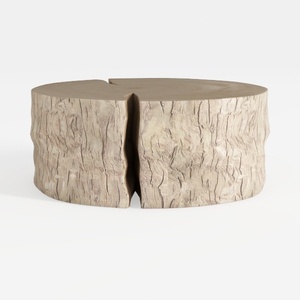
Rustic Solid Wood Split Log Coffee Table 3D Model
Homestyler is your go-to online home design platform! With its user-friendly design tool, stunning 3D renderings, and a wealth of DIY video tutorials, you can easily create and visualize your dream space. Bring your home design ideas to life today!
Concevez maintenant gratuitement
































