

I've discovered that well-framed artwork can significantly enhance a living room's aesthetic more than any particular piece of furniture—provided that sizing, arrangement, and positioning are executed thoughtfully. Frames create defined sightlines, demarcate seating areas, and can subtly alter the room's atmosphere. Intentionally selected frames can even make ceilings appear higher and help distribute natural light more effectively throughout the space.
Effective design should be influenced by real human needs. Research by Steelcase indicates that environments with organized visuals and nature-inspired elements foster concentration and reduce stress, benefits that can be achieved through calming, coherent frame setups. The WELL v2 standard emphasizes the importance of minimizing glare and ensuring visual comfort, highlighting that the choice of glass and the positioning of artwork in relation to windows are crucial not just for aesthetics but for performance as well. In practice, using non-glare glass and uniformly arranged framing can enhance luminance ratios for comfortable viewing near seating and reading areas.
Proportion is crucial. According to NKBA guidelines, key seating areas thrive with clear focal points and balanced flow; a gallery wall that is approximately two-thirds the width of the sofa serves as a compelling visual anchor without disrupting traffic patterns. I typically position the bottom edges of the lowest frames 6–8 inches above the sofa back to ensure comfortable sightlines when seated and to avoid any potential head bumps. For extended walls, I frequently arrange frames in a 3:5 or 2:3 ratio grid, adhering to classic visual balance concepts and ensuring consistent spacing for straightforward future updates.
Frame Size, Scale, and Spatial Rhythm
Begin with the largest artwork to establish a hierarchy, and then progressively layer downwards. A single oversized frame can serve as a striking focal point, while a collection of medium-sized pieces can create a harmonious visual field. Consistent margins are key: 2–3 inches between small frames, 3–5 inches for mediums, and up to 6 inches for larger artworks. This approach maintains readable rhythms from across the room and minimizes visual distractions.
In spaces with low ceilings, stacking frames vertically can create the illusion of height—using narrow columns or a tall diptych can draw the eye upwards. Those with high ceilings often benefit from horizontal arrangements that visually 'anchor' the space. I like to experiment with arrangements through digital mockups, verifying sightlines from crucial seating positions. When planning around doorways or media units, an interior layout planner can help visualize alignments and flow; such tools make it easy to simulate clearances and sightlines.
Materials and Glazing: Aesthetic and Performance
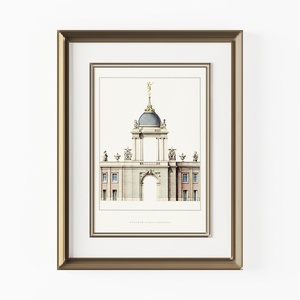
Select frame materials that are not only visually appealing but also durable over time. Solid woods like oak and walnut offer warmth and texture; powder-coated metals provide clean lines suitable for modern art; slender aluminum frames appear sleek and discrete. Matting should serve to protect the artwork while enhancing contrast: off-white or bone-colored mats reduce glare and create a sense of space, whereas deeper mats (2–3 inches) are ideal for smaller pieces that require elevation.
Glazing is often an overlooked component. Non-glare acrylic that offers 92–98% UV protection safeguards prints and reduces reflections. If your living area has south-facing windows, consider using museum-grade glazing to mitigate reflections and color distortion. Position reflective surfaces at angles that minimize direct light toward seating; if reorienting isn’t feasible, increase matte contrasts and employ darker frames to absorb unwanted highlights.
Color Psychology and Mood Setting
The colors in frames and artwork play a significant role in setting emotional tones. Neutral tones (such as black, charcoal, and natural oak) create a serene atmosphere and help disparate pieces unite as a cohesive collection. Shades of blue and green evoke feelings of rejuvenation, making them perfect for relaxation-focused areas. Warm woods infuse comfort and a welcoming vibe; a singular brass or lacquer frame can add a refined touch without overwhelming the visual composition. Keep frame saturation subtle to ensure that the artwork remains the focal point.
Layout Strategies for Different Living Rooms
For smaller rooms, limit the number of frames and keep sizes moderate to prevent clutter. Place one prominent piece above the sofa and a smaller companion work by a reading chair for added balance. In longer spaces, distribute artwork into two main focal areas—one in the seating zone and another near the dining edge—to guide movement and counteract the 'bowling alley' feel.
Above fireplaces, maintain a distance of 5–7 inches between the mantel and the bottom of the frame to avoid heat damage and ensure visual clarity. For media walls, flank the television with vertical pairings to soften its boxy appearance and create a unified look. An interior layout planner can assist in analyzing spacing around speakers and cables; a room design visualization tool simplifies the process of seeing how frames interact with lighting and electronic elements.
Light, Glare, and Viewing Comfort
Proper lighting is as essential as the frames themselves. IES suggests layering your lighting: ambient lighting for overall brightness, accent lighting for highlighted pieces, and task lighting for reading areas. Aim for gentle vertical illuminance on art walls to keep contrast ratios comfortable. Track lighting with 30-degree angles reduces direct glare on the glazing; diffusers or wall-wash optics can soften harsh highlights.
Consider the color temperature while lighting your space: 2700–3000K maintains a warm ambiance ideal for living rooms, while high-CRI (90+) lamps accurately render artwork colors. Dimmer controls are effective for adjusting evening settings—decreasing ambient light while elevating accent lights—to allow frames to shine without causing glare.
Curating Content: Stories, Series, and Balance
Curate your selection with intention rather than maximizing volume. Cohesion within your collection can stem from themes (like landscape series), mediums (such as ink drawings), or color palettes (using monochrome pieces with a singular accent). I tend to favor sets of 3–5 related artworks; odd-numbered arrangements tend to appear more dynamic and provide a central focus. When combining photography with painting, it’s effective to create mini-clusters for each medium while ensuring they share similar frames and mats.
Ergonomics and Human-Centered Heights
The centerlines for primary artworks usually sit between 57–60 inches from the ground, aligning with average seated and standing eye levels. In settings where most viewing occurs while seated—like deep sofas—I lower the centerline to 54–57 inches. Ensure frames are out of reach zones on the sofa’s back to prevent unintended contact when leaning or stretching. For family-friendly homes, higher placements for delicate art and secure mounting hardware rated for their weight are advisable.
Hardware, Mounting, and Longevity
For artworks larger than 16x20 inches, utilize two-point hanging systems for stability. French cleats are also an excellent option for heavier frames, ensuring they remain level over time. Where possible, consolidate wall anchors into studs, particularly on plaster or older drywall; if access to studs is limited, select the appropriate heavy-duty toggles. Prepare for future updates by marking a modular grid on the wall behind the artwork, making small adjustments manageable.
Sustainability and Maintenance
Choose frame materials that are FSC-certified and utilize low-VOC finishes. Reclaimed frames can create a beautiful aesthetic, yet it’s essential to inspect joints and glazing for any signs of warping. Keep microfiber cloths and gentle, ammonia-free cleaners on hand for acrylic; avoid harsh chemicals that might dull the surface. Rotate light-sensitive pieces periodically or move them away from direct sunlight to prolong their lifespan.
Putting It All Together: A Designer’s Workflow
I commence with measuring the wall and main furniture, sketch a 2:3 or 3:5 grid, select the anchor piece, and then arrange additional works to complement the lines, colors, or themes. I utilize digital mockups to fine-tune spacing, verify heights from primary seating, and adjust lighting angles. Only after thoroughly planning do I finalize the mounting. This results in a living room that feels curated, serene, and personal—where frames enhance the space without overwhelming it.
Tips 1: Fast Composition Cheats
- Anchor: a large frame centered above the sofa at approximately two-thirds its width.
- Rhythm: maintain consistent gaps of 3–5 inches throughout the arrangement.
- Balance: replicate vertical weight near doors or windows to stabilize sightlines.
- Light: direct accent lights at 30 degrees; keep within a warm range of 2700–3000K and a CRI of 90+.
- Safety: use two-point mounts along with appropriate anchors for heavier pieces.
FAQ
Keep centerlines around 57–60 inches from the floor for a blend of standing and seated viewing. If most viewing occurs seated, adjust to 54–57 inches for a more natural feel.
For small frames, use 2–3 inches, 3–5 inches for medium, and up to 6 inches for larger works to sustain visual harmony without crowding.
Select non-glare acrylic or museum-grade glazing, position accent lighting at around 30 degrees, and refrain from placing reflective frames directly opposite bright windows.
Utilize a warm color temperature of 2700–3000K with a CRI of 90 or higher to maintain accurate artwork colors and a comfortable atmosphere.
A width that encompasses about two-thirds of the sofa serves as an effective anchor while preventing the wall from feeling cluttered; align the bottom edge 6–8 inches above the back of the sofa.
Certainly—ensure cohesion through the use of uniform mat colors or a cohesive color palette. Mixing wood and metal elements can be effective if their profiles maintain similar thicknesses or detailing.
Employ two-point hanging systems or French cleats, and anchor into studs whenever possible. For walls without accessible studs, opt for toggles that are rated appropriately.
Chart the wall with a modular grid (2:3 or 3:5), experiment with a digital layout, and confirm sightlines from key chairs. Utilize a layout tool to visualize clearances around doors and media units.
Neutral colors can create calm and tranquility, while warm woods offer comfort, and a solitary accent frame can inject energy without cluttering your palette.
Utilize UV-protective glazing, steer clear of direct sunlight, and consider seasonal rotation for light-sensitive works. Window treatments can also help maintain stable light levels.


Discover the magic of home design with Homestyler! This user-friendly platform offers an intuitive online design tool, stunning 3D renderings, and a wealth of inspiring design projects. Plus, learn through DIY video tutorials to effortlessly bring your visions to life. Transform your space today!
تصميم الآن مجانا
































