


Once, I mistakenly painted the wrong half of a small studio because I relied on a contractor who was adamant that the darker hue belonged on top—an unfortunate lesson as the ceiling started to feel confining. Since that experience, I now make it a point to measure, create mock-ups, and sometimes even tape off samples right on the wall before deciding to use any considerable amount of paint. If you're eager to learn how to make two-tone walls enhance a compact area, you've come to the right place—small spaces can foster immense creativity and intelligent paint selections. Here are five strategies I've implemented in real projects, plus a recovery tip that helped avert a calamity.
1. Horizontal Division: Light Above and Dark Below
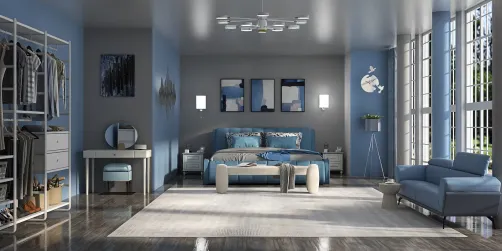
This is my preferred technique when a client desires impact without making the area feel smaller. By applying a lighter color on top and a darker shade below, visually, the ceiling appears higher and it also conceals scuff marks at the floor level—an asset for homes with children or pets. The challenge lies in achieving accuracy: you’ll need a sharp line, a level, and meticulous tape application. In a rental space where I used this method, I opted for washable paints making it easy to touch up if needed.
save pin
2. The Accent Stripe: Mid-Height Color Band
Applying a color band at chair-rail height can mimic custom paneling without the need for carpentry. I once applied a soft terracotta stripe to warm up a cooler, north-facing living room and complimented it with white trim to maintain a fresh feel. This approach is cost-effective and allows for easy repainting; however, it's essential to plan your furniture arrangement first to prevent clashes with tall shelving units.
save pin
3. Diagonal or Angular Division for Energetic Flair
Looking for added movement? A diagonal separation brings vitality and gives a unique touch. I drew out the angle, carefully applied tape, and stepped back now and then—this method requires confidence and patience, and it’s better suited for one statement wall rather than an entire space. If you feel uncertain, consider creating a mock-up on cardboard or conducting a small test; you can also visualize the result using a realistic 3D render, such as with the Homestyler application, before applying paint.
save pin
4. Dual Finishes, One Hue: Matte Over Satin
If you favor subtlety, consider using the same color in two different finishes—matte on top and satin or eggshell below—to create a delicate contrast that appears textured. I utilized this technique in a small kitchen to give the backsplash wall a layered feeling without introducing additional colors. While it's an elegant approach, be mindful that glossy finishes tend to show imperfections more readily; prep and smooth out any rough areas beforehand.
save pin
5. Top-to-Bottom Ombre or Color Block Effect
An ombre wash or stacked color blocks can either elongate or broaden a room based on the direction applied—lighter at the top for height and lighter at the ends for depth. I achieved this in a narrow hallway by blending from a deep blue at the base to a pale sky tone at eye level, prompting guests to often inquire if it’s wallpaper. This method requires patience for seamless blending, and be aware that mid-project lighting changes can alter appearances, so it’s best to work in consistent daylight or under the same lighting conditions.
Quick budget tip: sample pots and painter’s tape are small investments that can save you considerable time and frustration. If you're looking to experiment with layouts digitally, I frequently create rough elevations and employ tools such as Homestyler that allow me to overlay colors on a room mockup—taking this small step can help avoid major mistakes.
For more organized suggestions on room layouts and to see how paint selections impact furniture arrangement, be sure to check out this room plan.
save pin
Tips:
Professionally apply tape: remove the tape at a 45° angle after the paint is touch-dry to prevent any lifting. If uncertain, lean toward lighter tones on top—you can always darken the lower shade later. And when matching across different rooms, consider your lighting scenario: a color swatch can look different under kitchen warm lights compared to natural daylight.
If you wish to visualize two-tone ideas with lifelike imagery, I highly recommend generating a realistic 3D render of your space to explore combinations without needing to apply a single drop of paint.
For those who are open to tech, AI-driven recommendations can help accelerate color pairing, generating palettes based on a photograph of your room—an absolute time-saver while managing various finishes and furniture styles.
save pin
FAQ
Q1: What are effective color combinations for two-tone walls?
A: Timeless pairs include soft neutrals over deep navy or warm beige over olive. Bold contrasts like black and white can work well too, but keep in mind the flow into adjoining areas when making your selections.
Q2: Will two-tone walls make a compact room appear larger?
A: Yes—lighter colors on the upper section typically create an illusion of higher ceilings, and a dark bottom with a light top can visually enlarge a space when done at the appropriate height.
Q3: How high should I split the wall?
A: Common split heights are mid-range (around 36–42 inches) for a chair-rail appearance, or higher (about 48–60 inches) if you want the lower color to mimic wainscoting. Be sure to measure against your furniture to prevent awkward alignments.
Q4: What paint finishes pair well?
A: Matte or flat combined with satin or eggshell creates a subtle contrast and allows for forgiving coverage. For detailed advice on finishes and applicable uses, refer to Benjamin Moore’s paint finish guidelines.
Q5: Is it feasible to use two-tone walls in a kitchen?
A: Certainly—select durable and washable finishes for lower sections near counters and backsplashes. A lighter upper coat keeps the space feeling open, while a richer base color conceals blemishes.
Q6: How much additional time does a two-tone project require?
A: Anticipate longer prep and taping times—typically about 25–40% longer than a straightforward, single-color paint job. Samples and mock-ups might add an evening or two, but they will reduce revision times later.
Q7: How do I correct an uneven paint line?
A: If the line is uneven, there's no need to panic—lightly sand the edge and touch it up with a small brush, or use a thin trim piece to mask the seam for a cleaner, integrated style.
Q8: Where can I find inspiration or mockups for two-tone designs?
A: Explore real project galleries and utilize digital mockup tools to test color placement; if you desire interactive previews, seek out applications that allow you to upload room images and apply color palettes to see the outcome.
save pin
What began as an Autodesk innovation has evolved into a design platform used by more than 20+ million registered users (platform data, 2026) around the globe. Homestyler combines powerful rendering, an intuitive editor, and a vast furniture library to help you turn inspiration into photorealistic designs — whether you're redesigning a single room or planning an entire home.
Homestyler is your go-to online home design tool! With its user-friendly interface, stunning 3D renderings, and a wealth of design projects and video tutorials, you can effortlessly create and visualize your dream space. Perfect for both beginners and seasoned designers!
Design Now for FREE