

After mistakenly installing a duo of brass Art Deco wall sconces upside down—despite both my assistant and I believing we had done it correctly until a client pointed out that the light was aimed at the floor—I learned a crucial lesson about the importance of detail, especially in compact spaces: even a single fixture can transform an entire atmosphere. Small spaces ignite immense creativity, and adding Art Deco wall sconces is one of my preferred quick enhancements that exudes luxury without the need for a complete overhaul. In this article, I will share five genuine design inspirations I’ve implemented, along with practical advice and a few candid warnings.
1. Geometric Brass Sconces for Entryways
I find geometric brass sconces ideal for compact entryways as they instantly impart glamour and a clear direction. They emit a warm and flattering light that highlights faces and reflects beautifully off mirrors or marble tiles—perfect for concealing a cramped coat closet. However, one downside is that brass develops a patina over time and requires occasional polishing, and strong reflections can highlight fingerprints, so it's best to position them away from high-touch areas. For narrow entries, opt for a slim design to avoid collisions.
save pin
2. Frosted Glass Double-Arm Sconces for Hallways
Double-arm frosted glass sconces merge vintage Art Deco elegance with soft ambient lighting, ideal for elongated hallways needing subtle brightness without glare. When spaced correctly, they enhance the appearance of artwork. The trade-off is that frosted glass can slightly lessen the light's brightness, making them more effective when paired with higher-lumen bulbs or additional ceiling lighting in extensive corridors.
save pin
3. Mirrored-Back Sconces for Bathroom Illumination
Mirrored-back Art Deco sconces bestow bathrooms with a crisp, upscale feel—providing flattering lighting for grooming and an instant style enhancement. I once replaced a basic vanity lamp with mirrored-back sconces, and the small bathroom suddenly felt significantly larger. It’s important to note that mirrored backs can amplify steam spots, requiring more frequent cleaning, and you should choose damp-rated fixtures to ensure safety.
save pin
4. Black and Gold Minimal Sconces for Living Areas
In living rooms, I often select black-and-gold sconces with sleek lines to set the stage for an Art Deco display without overwhelming the wall. They complement velvet sofas and geometric carpets beautifully. The main challenge involves scale: in cases of very high walls, smaller sconces may appear lost, so consider clustering them or opting for larger shades to maintain proportionality.
save pin
5. Adjustable Arm Sconces for Compact Bedrooms
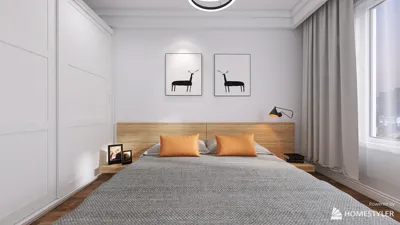
Adjustable-arm Art Deco sconces are fantastic beside beds, providing task lighting for reading without occupying precious nightstand space. I recommended these to a client with a micro-bedroom, and she remarked that her room finally felt sophisticated. While installation may be slightly more complex due to wiring and mounting plates, the space saved often justifies this effort.
save pin
Where to Visualize Your Layout
When determining fixture placement, I often sketch quick elevations and follow up by testing proportions in a 3D mockup to avoid making mistakes like the upside-down sconces I previously mentioned. For a practical, visual method to experiment with lighting in your floor plan, using Homestyler as a 3D floor planner allows you to position lighting fixtures and evaluate sightlines, making it easier to visualize scale, shadow placement, and spacing before any purchases are made.
save pin
FAQ
Q1: What type of bulb is ideal for Art Deco wall sconce illumination?
A1: Warm LED bulbs (2700K–3000K) are typically well-suited for Art Deco styles, providing a cozy, flattering ambiance while being energy-efficient.
Q2: Are wall sconces hardwired or plug-in—what’s preferable?
A2: Hardwired options offer a tidier, permanent appearance and are favored for a built-in look; plug-in variants are simpler for renters or quick setups but will display visible cords.
Q3: Can Art Deco sconces be installed in bathrooms?
A3: Indeed, but ensure to select fixtures that are rated for damp or wet environments and ensure that mirrored surfaces are sealed properly to withstand moisture.
Q4: How high should I mount wall sconces next to a bed?
A4: Aim to mount them at about eye level when seated—approximately 48–60 inches from the floor—for comfortable reading access.
Q5: Do brass sconces need maintenance?
A5: Solid brass will develop a patina over time; lacquered brass demands less upkeep but may chip. Regular dusting and gentle cleaning products can keep them looking pristine.
Q6: What if my wall is too shallow for a sconce backplate?
A6: In such cases, consider low-profile or surface-mounted sconces, or opt for a switch-mounted plug-in arrangement to avoid the use of deep wall boxes.
Q7: Where can I digitally test lighting layouts?
A7: I often utilize a free floor plan creator to visually draft rooms and explore lighting arrangements, which saves time and helps avoid unexpected results.
Q8: Are there specific design principles for Art Deco lighting?
A8: Art Deco emphasizes symmetry, geometric forms, and opulent materials; it's essential to balance bold fixtures with simpler surrounding decor to prevent visual clutter. For historical reference, consult the Victoria and Albert Museum on decorative arts for authoritative guidance: https://www.vam.ac.uk/collections.
save pin
Homestyler is your go-to online home design platform! With its user-friendly design tool, stunning 3D renderings, and a plethora of inspiring design projects and DIY video tutorials, you can easily transform your space and unleash your creativity—perfect for both beginners and seasoned designers!
Design Now for FREE
































