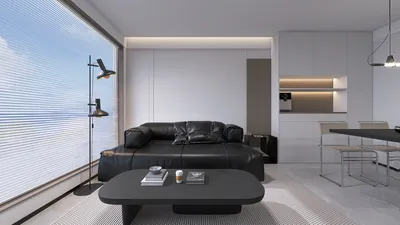


Designing an engaging house game involves prioritizing both fun and immersive design features. Whether catering to children, families, or adults who love architecture, the key to success is creating a gaming environment that realistically represents actual interior spaces. Begin with intuitive controls and easy navigation that allows users to customize rooms, rearrange furniture, and choose decor items seamlessly. A captivating house game typically includes a rewarding progression system, letting players unlock new furniture styles, room types, or decorative items as they achieve various challenges or quests. Incorporate vibrant graphics and realistic physics to demonstrate how items fit together and interact, making the experience both informative and visually appealing. Social aspects, such as sharing designs with friends or participating in design competitions, further boost engagement and replayability. As a designer, I suggest rooting your game mechanics in real-world spatial planning and design principles. For example, providing a feature for users to test floor plans not only enhances enjoyment but also imparts valuable skills in zoning, furniture arrangement, and color coordination. By utilizing established design concepts, your game can serve as both a creative outlet and an educational resource. If you're looking for a head start, consider utilizing tools like Homestyler, which can offer inspiration and practical layout capabilities drawn from professional interior design.
Tips 1:
Incorporate a broad array of style presets, including modern, rustic, or Scandinavian themes, allowing players to showcase their individual styles and explore combinations they might apply in real life.
FAQ
Q: What elements contribute to a highly engaging house game?
A: Achieving an ideal mix of creative flexibility, realistic design tools, and attainable rewards promotes sustained gameplay and exploration.
Q: How can I maintain long-term interest in my house game?
A: Continuous content updates, new challenges, and social sharing opportunities ensure that the experience remains dynamic and community-oriented.
Q: Should my house game integrate educational components?
A: Definitely. Games that impart fundamental interior design concepts, color theory, or floor plans can attract a wider range of players.
Q: What key features should a successful house decorating game have?
A: Essential features include adaptable room planning, furniture positioning, customization alternatives, and high-quality visuals.
Q: Can players utilize my house game for real-world interior design planning?
A: Yes! With realistic design functionalities and floor planning tools, your game can act as a practical resource for inspiration and planning in actual interior spaces.
Looking to elevate your home design experience? Homestyler is your go-to platform! With its user-friendly online design tool, impressive 3D rendering features, and a wealth of inspiring design projects and DIY video tutorials, you'll effortlessly transform your space into a dream home. Dive in and unleash your creativity today!
Diseño ahora GRATIS
































