

Creating a three-dimensional model of the nucleus serves as an engaging project that deepens your comprehension of cell structure, specifically the nucleus's function and anatomy found in eukaryotic cells. To get started, gather crafting supplies like Styrofoam balls, clay, vibrant markers, toothpicks, and tags for labeling essential parts: the nuclear envelope, nucleolus, chromatin, and nuclear pores. Begin by slicing a large Styrofoam ball in half to reveal its internal components, and mold smaller parts from colored clay to illustrate vital features. Secure each piece in its correct position within the nucleus using toothpicks or adhesive, ensuring they are clearly labeled to highlight their roles and placements. For greater authenticity, consider painting or texturing the surfaces to reflect the granular look of chromatin and the double-membrane nature of the nuclear envelope while leveraging tools like Homestyler for visual guidance.
As a designer, my approach to DIY biology projects mirrors my philosophy in interior design, prioritizing accuracy, aesthetics, and functionality. To elevate your 3D nucleus model, explore using digital design tools that allow you to plan and visualize the arrangement before commencing the physical build. Utilizing a platform that provides 3D home visualization capabilities can help you precisely layout the nucleus’s inner structures and even test various color palettes and configurations—akin to crafting the perfect interior space.
Tips 1:
Ensure that all labels for the nucleus components are clear and precise. Additionally, include an informational key outlining each structure's purpose, which not only enhances educational value but also adds a professional touch to your model's presentation.
FAQ
Q: What types of materials can I use for constructing a 3D nucleus model?
A: Ideal materials include Styrofoam balls, clay, colored paper, toothpicks, and markers, all of which are readily accessible.
Q: What essential parts of the nucleus should I include in my model?
A: Key structures to include are the nuclear envelope, nucleolus, chromatin, and nuclear pores for accurate representation.
Q: How can I enhance the realism of my 3D nucleus model?
A: Focus on color and texture details, utilize paint for added intricacy, and consult detailed diagrams or digital renderings for creative inspiration.
Q: Is it possible to use digital tools to structure my model before starting construction?
A: Absolutely! Employing a 3D visualization platform enables you to plan the layout and color choices ahead of time, resulting in a more accurate and visually engaging outcome.
Q: What educational advantages does this project offer?
A: Crafting a 3D nucleus model enhances your grasp of cell biology, allowing you to visualize the structural relationships that exist within the cell.
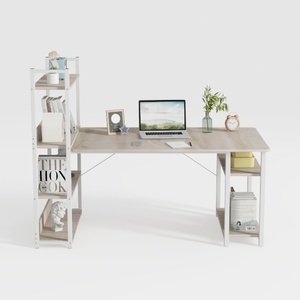
Modern Minimalist Oak Metal Computer Desk With Storage Shelves 3D Model
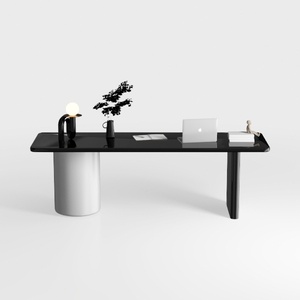
Modern Minimalist Black Glossy White Metal Office Desk 3D Model
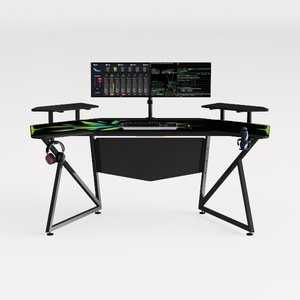

Klobel 72" Standing Gaming Desk with Dual Motor, W
Homestyler is your go-to platform for home design! With its user-friendly online design tool, stunning 3D renderings, and a treasure trove of DIY video tutorials, you can easily turn your decor dreams into reality. Create, visualize, and enjoy the process of transforming your space today!
Zaprojektuj teraz za darmo
































