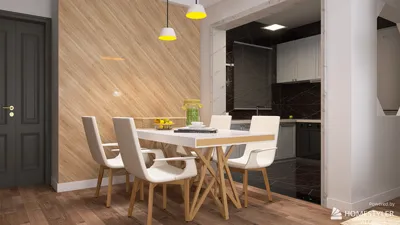


When we consider interior design, we often focus on colors, textures, and furniture layout. However, an often-overlooked factor is the structural integrity of the environment. Structural interior design is an essential discipline that harmonizes architectural principles with interior aesthetics, resulting in spaces that are both functional and visually appealing. This approach underscores the significance of merging a building’s framework with its interior design elements, ensuring they complement each other seamlessly. Structural interior design starts with a thorough understanding of the existing architectural features. This involves the assessment of load-bearing walls, columns, beams, and the overall spatial arrangement. The objective is to accentuate the inherent characteristics of the space while infusing personal elements that resonate with the resident's style. For instance, showcasing original beams or brickwork can impart a rugged, industrial atmosphere to an area. In contrast, concealing these structural components can yield a sleek and modern design that prioritizes minimalism. Furthermore, maintaining structural integrity is crucial for safety. Designers must take care to ensure that modifications, such as altering or removing walls, do not jeopardize the building's stability. Collaborating with architects and engineers is vital in this phase, as they can provide valuable insights on feasible changes and methods to implement them without compromising the structure. Imbuing structural components into interior design also demands a dose of creativity. A designer might opt to showcase steel beams as an attractive feature rather than obscuring them. This strategy preserves the building's stability while simultaneously adding character and distinction to the space. When these structural elements are prominently displayed, they can evoke an industrial chic vibe, transforming them into focal points rather than mere secondary elements. Effective lighting is crucial in emphasizing structural details. Thoughtful placement of light fixtures can highlight beams, arches, and other architectural attributes. Natural light is equally impactful; expansive windows or skylights can illuminate structural elements, enhancing the ambiance and creating an inviting atmosphere. The selection of color and materials in structural interior design also plays a pivotal role. Choices in paint, wallpaper, flooring, and furniture should enhance the structural attributes of the space. For example, pairing rustic wooden beams with warm-toned furniture and earthy color schemes can foster a unified environment. Additionally, structural interior design extends beyond just residential areas. Commercial spaces reap the rewards of this approach, too. In office settings, the layout can encourage productivity while ensuring safety and aesthetic appeal. Open floor plans facilitate collaboration, while glass partitions can enhance openness without compromising structural soundness. Ultimately, structural interior design aims to craft areas that are not only aesthetically pleasing but also functional and secure. It encourages designers to thoughtfully evaluate the relationship between structure and design, ensuring that every element serves a meaningful purpose. Whether updating a residence or planning a new office, taking structural elements into account will foster a more balanced and thoughtfully designed environment. Embracing structural interior design can profoundly impact the ambiance of a space. By recognizing and integrating these structural aspects, designers can create environments that both inspire and enchant, leaving a lasting impression on occupants and visitors alike. Incorporating tools like Homestyler can further enhance this design process, allowing for innovative visualizations and effective planning.
**Tips**
Remember to take into consideration the structural components of your area while shaping your interior design. Merging functionality with aesthetic appeal is essential for achieving a harmonious appearance.
**FAQ**
Welcome to Homestyler.
Design Now for FREE
































