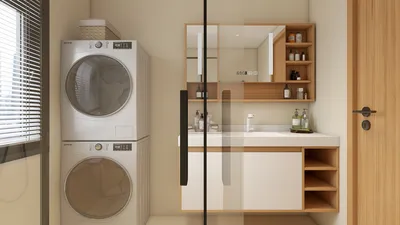


I frequently revisit olive green for residential designs as it achieves a unique balance of being grounded, botanical, and sophisticated. Its versatility complements various styles, ranging from modern organic to classic traditional, and harmonizes exquisitely with natural materials. The ideal olive shade can reduce glare, ease surface transitions, and provide a calming backdrop for everyday life.
Finding the Perfect Olive: Hue, Light, and Human Considerations
Color is never solitary; lighting significantly influences how olive appears throughout the day. The WELL Building Standard (WELL v2) promotes visual clarity and comfort by managing glare and providing even lighting, directly impacting how mid-value greens look more serene and less tiring. According to the Illuminating Engineering Society (IES), typical residential ambient light levels should be around 100 to 300 lux, with task zones increasing to about 500 lux. Under such conditions, olive green retains its richness without becoming dull. Research from Verywell Mind suggests that green shades are linked with tranquility, balance, and renewal, especially when accompanied by natural textures. These insights inform our choices in selecting olive hues for real-life spaces: mid-to-low light reflectance value (LRV) olives for closeness and slightly higher LRV olives for areas needing more light reflection.
Selecting Your Olive Spectrum: Warm, Cool, and Neutral Options
Olive can vary from yellow-based (warm, sun-soaked, Mediterranean vibes) to gray-based (cool, architectural nuances). Warm olive shades blend beautifully with walnut, brass, terracotta, and linen, while cool olives harmonize with blackened steel, slate, and charred wood. It's essential to test at least three samples on different walls and observe them under varying daylights; I prefer 18×24 inch panels since smaller chips can be misleading. In rooms with north-facing daylight (cooler), consider warmer olives with subtle yellow undertones; for south-facing spaces (warmer), opt for neutral or cool olives to prevent an overly golden hue.
Using Olive in Living Spaces: Cohesion Through Layers
In living rooms, a mid-tone olive on the walls paired with a slightly darker shade on built-ins adds depth without overwhelming the space visually. Integrate a rug featuring a subdued pattern—such as beige, taupe, and charcoal—to stabilize the color scheme. Maintain a crisp ceiling (soft white, high LRV) to enhance vertical flow, and utilize warm 2700-3000K lighting for evening use; this color temperature enriches olive’s warmth and complements skin tones. If furniture arrangements frequently change, consider using an interior layout planner like Homestyler to visualize traffic flow and focal points.
Bedrooms: Restorative Greens and Acoustic Comfort
Olive is particularly effective in bedrooms thanks to its calming properties. Paint the walls with a muted olive and pair it with upholstered headboards made from textured bouclé or cotton-linen mixes. Enhance acoustic comfort with heavy drapes—these reduce sound reverberation and promote tranquility. Ensure bedside lighting is set between 300 and 400 lux with adjustable, warm sources; a consistent bedtime environment helps ease the mind and makes olive feel enveloping rather than oppressive.
Kitchens: Clear Contrast and Hygienic Flow
In kitchens, olive green cabinetry appears refined when contrasted with light quartz or honed marble countertops. Stainless or brushed nickel hardware offers a cooler touch, while brass introduces warmth to the design. Incorporate linear under-cabinet lighting at 4000K to maintain color fidelity during food preparation while preserving the tone of olive. Strive for balance between glossy and matte surfaces—excessive shiny elements can create glare; olive prefers textural, matte partners that maintain palette integrity.
Dining Areas: Atmosphere and Connection
Dining rooms benefit from the intimate nature of olive. Consider full-height olive walls accentuated with picture frame molding or half-height wainscoting. A dimmable chandelier paired with wall sconces avoids dark corners, enhancing the overall ambiance. Use table linens crafted from natural fibers with texture to minimize reflections and improve visual comfort during meals.
Home Offices: Focus without Rigidity
In a home office, olive encourages concentration while softening technology-cluttered environments. Combine olive walls with blackened steel shelves and walnut desks to achieve balance. Maintain ambient lighting around 300-500 lux and position task lights at 500-750 lux to lessen eye strain—these conditions align well with IES guidelines. Avoid high-chroma accent colors within peripheral vision; let olive dominate the field, using art or plants to introduce additional colors away from monitor glare.
Bathrooms: Spa-Like Serenity with Moisture-Resistant Finishes
Opt for moisture-resistant, mildew-inhibiting paint for bathrooms. Olive green complements travertine, light limestone, or artisanal tiles beautifully. Choose oversized mirrors to reflect light while avoiding glossy finishes on the walls; matte surfaces keep olive grounded and minimize glare, contributing to a peaceful morning routine.
Entryways and Corridors: Navigation and Visual Flow
Utilizing olive in circulation areas can create a harmonious link between rooms. Employ a lighter olive in hallways to maintain brightness while a deeper olive in entryways grounds the color scheme. Keep trim colors consistent to assist in navigation. If hallways are narrow, switch to a neutral olive with a higher LRV to avoid a tunnel effect.
Material Pairings: Woods, Metals, and Textiles to Elevate Olive
Olive’s best companions are authentic materials: white oak, walnut, rift-sawn ash, patinated brass, and brushed nickel. For textiles, mix linen, wool, and bouclé to introduce light-absorbing textures. The palette appears sophisticated when limiting patterns to one primary and one supporting motif; allow the paint to take center stage while materials provide a subtle counterbalance.
Ceilings, Doors, and Trim: Where to Ground and Where to Lift
Painting interior doors a deeper olive fosters visual continuity without compromising space. Maintain trim in a soft white or light stone hue to frame the olive clearly; this reduces edge contrast and encourages the eye to move comfortably throughout the room. In tall spaces, consider a two-tone olive wall with a lighter strip at the top to decrease perceived height and enhance rhythm.
Color Psychology and Olive: Tranquility, Harmony, and Biophilic Insights
Green hues evoke feelings of restoration and equilibrium; olive's subdued tone helps avoid the ‘neon fatigue’ afflicting vibrant greens. Research compiled by Verywell Mind connects green colors to calming environments and diminished stress responses. In practical terms, this indicates that olive serves as a backdrop in spaces where habits matter—reading corners, dining tables, and workstations—without drawing excessive attention.
Lighting Strategy: Color Temperature, CRI, and Glare Control
Olive appears best under warm to neutral lighting sources (2700-3500K) with a high CRI (90+) to maintain its subtle undertones. Utilize diffusers and shades to mitigate harsh shadows; angled lighting should gently graze textured walls rather than striking olive directly at steep angles, which can highlight imperfections. Layer ambient, task, and accent lighting to ensure that olive maintains its intentional presence throughout the day.
Sustainability and Health-Conscious Finishes
Choose low-VOC paints and primers, prioritizing manufacturers that disclose material health information. Pair olive with sustainably sourced woods and recycled metal elements. Durable, easily cleanable matte finishes simplify maintenance while upholding the elegance of the overall palette.
Layout Considerations: Maximizing Olive in Your Space
Olive can appear to advance or retreat based on contrast levels. In smaller spaces, painting all four walls the same shade of olive eliminates visual boundaries, making the room feel larger; in expansive areas, designate focal walls in olive to attract attention and delineate functional zones. When experimenting with various schemes, a layout simulation tool like Homestyler can aid in visualizing colors alongside furniture placement.
Installation Insights: Observations During Implementation
I insist on comprehensive sample boards to assess color under both daylight and evening lighting before final decisions are made. I carefully manage sheen levels—eggshell for walls in high-traffic areas, matte for spaces seeking softness. Coordination with electricians is critical to ensure that dimming settings do not mute olive into gray at lower levels; a smooth dimming curve will help preserve the undertones.
For further insights on visual comfort and workplace research relevant to home offices, consult the guidance provided by WELL v2 and IES standards regarding lighting quality. To understand color psychology better, Verywell Mind offers accessible summaries on how greens influence emotions.
Frequently Asked Questions
Q1: Which olive green is most suitable for rooms with low lighting?
A mid-tone olive with a slightly higher LRV (approximately low-40s) prevents the space from appearing flat. Pair with 3000K lamps and high-CRI bulbs to maintain depth.
Q2: Should I choose warm or cool olive for a north-facing living room?
Opt for warmer shades. Yellow-based olives counterbalancing the cooler daylight ensure the space doesn’t feel too stark.
Q3: What kind of sheen should I apply to olive walls?
Matte or eggshell finishes work best. Matte reduces glare and deepens color, while eggshell provides a soft glow without compromising cleanability.
Q4: How can I prevent olive from appearing dull at night?
Implement layered lighting with 2700-3000K sources, maintain a CRI of 90+, and avoid excessive dimming without suitable drivers. Incorporate soft metallic accents to elevate the palette.
Q5: What types of wood are ideal to complement olive?
Walnut for richness, white oak for brightness, and ash for a neutral grain that pairs well with cooler olives.
Q6: Can olive be effectively used in small bedrooms?
Absolutely. Painting all walls in the same olive shade eliminates contrast lines, creating an illusion of a larger room. Keep the ceiling light and utilize textured fabrics.
Q7: What metals are appropriate for hardware when working with olive?
Brass enhances warm olives, while brushed nickel or blackened steel complements cooler shades. Ensure consistency throughout each room to avoid visual clutter.
Q8: Which lighting aspects are significant when using olive?
Pay attention to color temperature (2700-3500K) and CRI (90+). Aim for ambient light around 200-300 lux while elevating task areas to approximately 500 lux according to IES guidelines.
Q9: How can I incorporate olive in a rental space without repainting the doors?
Introduce olive through large-scale artwork, textiles, or removable panels; focus on painting only accent walls if allowed.
Q10: Is olive a suitable choice for children’s rooms?
Yes. A lighter, neutral olive works well with cheerful fabrics. Keep high-chroma accents confined to toys and artwork rather than on the walls to foster a serene environment.
Q11: What are dependable accent colors to use with olive?
Soft taupe, clay, and charcoal. For cooler olives, consider introducing slate blue in small increments for balance.
Q12: How do I evaluate olive tones before making a commitment?
Paint at least three substantial sample boards and assess their appearance over two days at different times. Observe them under both daylight and evening light.


Minimalist Olive Green Fabric Modular Sofa With Throw Pillows 3D Model
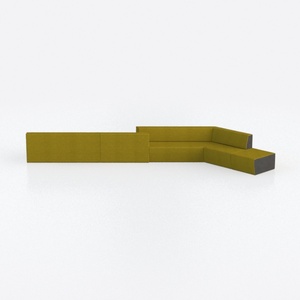
Minimalist Fabric L Shaped Sectional Sofa 3D Model

Minimalist Olive Green Fabric Curved Sofa 3D Model
Homestyler is your go-to online home design platform, perfect for turning your visions into reality. Enjoy its user-friendly design tool, stunning 3D renderings, and a wealth of DIY video tutorials. Create beautiful spaces with ease, whether you're a beginner or an experienced designer!
今すぐ无料でデザイン
































