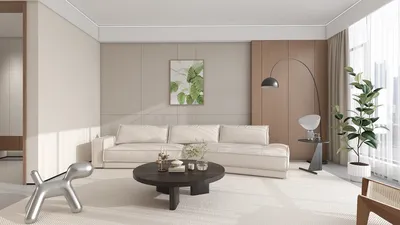


Having designed and renovated over a dozen elevator lobbies in various high-rise settings including offices, hotels, hospitals, and residential towers, one fundamental principle remains evident across all these building types: the most effective elevator lobbies are those that proactively facilitate movement, manage light and sound, and direct individuals with minimal cognitive load. When executed effectively, they enhance safety, alleviate stress associated with waiting, and establish a favorable impression for the entire property. Incorporating tools like Homestyler can further streamline the design process, ensuring that your elevator lobby meets these pivotal criteria.
Visitors often spend a considerable amount of time in and around elevators, highlighting the importance of effective design. Research from Steelcase indicates that a sense of control within transitional spaces significantly influences stress levels and satisfaction, particularly during peak traffic times. Additionally, studies by Gensler demonstrate that clear circulation paths and visibility can minimize disruptions during everyday navigation. The WELL v2 framework emphasizes the role of lobby lighting in establishing visual comfort, advocating for glare management and appropriate luminance ratios to facilitate smooth transitions from bright to dim zones. These essential guidelines inform every choice concerning proportions, finishes, and fixtures I select for lift rooms, and employing design software like Homestyler can further enhance these aspects.
Lighting requirements in elevator lobbies should be meticulously considered. The IES recommends lobby circulation areas maintain illuminance levels from 200 to 300 lux, with critical task points—such as destination control panels—reaching higher, more readable values. WELL v2 principles underline the necessity of controlling glare and contrast; I strive for unified glare ratings (UGR) below 19 for overall ambient fixtures, utilize warm-neutrals in the 3000–3500K range to enhance skin tones, and implement low-candela wall washers to facilitate movement without creating unwanted hotspots. This thoughtful balance guarantees that signage and call panels are effortlessly readable while remaining comfortable for the eyes when doors transition from bright to darker areas.
Circulation Patterns, Ratios, and Elevator Bank Configuration
Establishing a rhythm of space begins with the approach and waiting areas. In commercial buildings, I ensure a minimum clear depth of 180–240 cm from elevator doors to the nearest obstacle, which increases to 300 cm in hospital settings for accommodating beds and simultaneous flows. For lift banks with multiple cars, I maintain a 120–150 cm gap between the control panel and the wall to avert 'panel crowding.' For those exploring alternative designs, utilizing a layout simulation tool such as the one available on Homestyler can effectively test queue dynamics, panel placements, and seating arrangements before construction.
The implementation of destination control systems alters rider behavior patterns. This system shifts decision-making to the lobby, grouping passengers by floor, which reduces elevator stops and enhances overall travel efficiency. I position panel clusters to the side of primary pathways with a 45–60 cm offset to prevent queues from obstructing door access, while incorporating floor patterning—lighter lanes directing toward cars and slightly darker sections near panels—to subtly influence waiting behaviors.
Illumination Strategy That Directs Without Illumination Overload
Ambient lighting ensures comfort while accent lighting conveys purpose. I incorporate indirect ceiling coves to achieve a consistent 250–300 lux illumination level and add vertical lighting (150–200 lux) along walls behind call panels to keep faces visible for camera monitoring and ensure signage clarity. Recessed downlights are strategically placed just behind the threshold line of doors to avoid reflective glare on stainless steel jambs. Consistent color temperatures among fixtures help prevent visual disruption when doors open.
In hospitality and residential buildings, I lean towards a 3000K temperature for conveying warmth; in corporate environments, a 3500K temperature supports a neutral branding backdrop. High Color Rendering Index (CRI) of 90 or more ensures accurate representation of emergency icons and wayfinding visuals. Accessibility features, such as backlit call buttons, should maintain at least a 30:1 contrast ratio against nearby surfaces to align with established legibility standards.
Sound Design and Psychological Comfort
Elevator lobbies, while compact, can be quite reflective. I aim for a mid-frequency reverberation time of approximately 0.6–0.8 seconds, achieved using a combination of mineral fiber ceilings, fabric-wrapped wall panels, and soft flooring in waiting areas. Behavioral studies indicate that predictable, subdued sound environments help reduce perceived wait times; gentle audio cues—like soft chimes at controlled sound levels—suffice to create a pleasant atmosphere. Ensuring mechanical noise from shafts and machine rooms is isolated involves using resilient channels and properly sealed penetrations, culminating in a serene environment where announcements are distinct without broadcasting every movement.
Color Impact and Navigational Assistance
Color cues play a crucial role in shaping expectations. Cool tones like blues and neutrals project professionalism and order, while soft greens suggest tranquility and restoration. Warm metallics carry a sense of status without being ostentatious. The references from Verywell Mind’s color psychology emphasize these connections, which I implement using gradients: cooler shades along approach paths and warmer highlights at entry points. Floor numbers and destination panels should be designed for visibility through value contrast rather than saturated colors to avoid visual strain, respecting diverse perceptions.
Material Choices, Longevity, and Hygiene
In elevator lobbies—areas of both high foot traffic and touch—materials must prioritize durability and cleanliness. I typically select non-porous wall coverings such as compact laminate, sintered stone, or metal panels, particularly with antimicrobial coatings where necessary. For floors, large-format porcelain or rubber tiles that achieve 60+ pendulum test ratings for slip resistance work best, complemented by transition strips that won't snag wheels. Design elements like handrails, trims, and call surrounds crafted from brushed stainless steel or PVD-coated finishes resist fingerprints and maintain color integrity over time. Sustainability considerations include low-VOC adhesives, documents that outline environmental product declarations, and recycled materials where performance is not compromised.
Human-Centered Design: Queue Optimization and Accessibility
Effective queuing relies on clarity. I position destination panels within the natural approach arc to minimize backtracking, angling them 15–25 degrees to promote ergonomic wrist posture. Panel heights are maintained between 100–120 cm to cater to wheelchair users, including tactile indicators and audible feedback for those with visual impairments. The turning radius at doors must allow a 150 cm circle unobstructed. Signage effectively combines icons with clear language and high contrast, situated in the 120–160 cm sightline range.
Regulatory Compliance, Visibility, and Safety
Emergency pull stations and AEDs must be positioned in easily visible alcoves and never concealed behind decorative elements. I ensure at least two clear sightlines from approach corridors to elevator doors, minimizing unexpected encounters. Fire-rated assemblies surrounding shafts must remain continuous; coordination of millwork with firestopping is crucial to prevent aesthetic treatments from breaching rated boundaries. Floor elevations should align flush with surrounding finishes to eliminate trip hazards, using tactile paving sparingly as a cue instead of a workaround.
Brand Presentation Without Overcrowding
Lift rooms frequently communicate the building’s identity. I favor subtle expressions—like one textured brand wall, a single artistic lighting feature, or a carefully chosen artwork—keeping information surfaces clear. Digital directories should automatically dim while idle to lessen brightness spikes and ramp back up when approached through proximity detection. Maintaining tight messaging hierarchy is vital, showcasing floor numbers prominently, followed by bank identifiers, and tenant directories at the end.
Seamless Technology Integration
Advanced systems such as destination control, mobile credentialing, and touch-free call buttons have become prevalent in contemporary buildings. I ensure the integration of readers and screens into the wall, reducing edge shadows. Effective cable management is essential: I route conduits through dedicated spaces in panel walls to ensure acoustic isolation. For maintenance ease, I include rear access panels designed with gasket seals and tamper-resistant hardware; this approach saves time throughout the building’s lifespan.
Planning for Peak Demand
During morning and lunch surges, layout efficiency is tested. I size waiting areas along the main elevator bank to accommodate peak inflow volumes without hindering fire egress—typically designing them 1.2–1.5 m deep relative to building occupancy. In cases where the lobby has a convex shape, I employ gentle lighting gradients and textured flooring instead of barriers; people typically navigate better when pathways and objectives are clear. Using the interior layout planner in Homestyler facilitates testing of variations in queue structures and sightlines prior to finalizing hard finishes.
Upkeep and Lifecycle Considerations
While a well-designed lift room may not be entirely maintenance-free, it should provide predictability. I specify replaceable LED modules, standardized drivers, stain-resistant wall coatings, and modular floor tiles in high-traffic regions to ensure replacements blend seamlessly. It’s essential to plan for cleaning supplies; integrating a small service closet with a mop sink near the lobby keeps routine maintenance out of the user’s sight.
Frequently Asked Questions
Q1: What level of illumination is recommended for an elevator lobby?
A1: For general circulation, I aim for ambient lighting of 200–300 lux, with higher localized values at panels for optimization of readability. Glare control and balanced luminance ratios are vital in preventing discomfort when doors open, in accordance with IES recommendations and WELL v2 glare control guidelines.
Q2: What is the ideal color temperature for the environment?
A2: A 3000K temperature is suitable for hospitality and residential settings for providing warmth; whereas, a 3500K temperature fits corporate and mixed-use spaces for neutrality. It’s essential to uphold a high CRI (90+) to ensure signage and emergency icons remain accurate and easily interpretable.
Q3: How extensive should the clear zone in front of elevator doors be?
A3: A minimum depth of 180–240 cm should be maintained in typical office environments; increase this to 300 cm in healthcare establishments to accommodate beds and simultaneous movement. It is crucial for queues and panels to be offset so as to prevent obstruction.
Q4: What acoustical objectives enhance comfort levels?
A4: Achieving a mid-frequency reverberation time of about 0.6–0.8 seconds fosters clarity without causing echoes. This can be accomplished by combining absorptive ceilings, fabric wall panels, and soft flooring in waiting areas while isolating mechanical noise via resilient channels and adequately sealed penetrations.
Q5: How do destination control systems alter layout considerations?
A5: These systems facilitate decision-making within the lobby and organize riders based on floors, calling for easily accessible panels that don’t block doorways. Panels should be located adjacent to main thoroughfares, tilted for ergonomic purposes, and allow for space to accommodate transient queues.
Q6: What materials effectively balance durability and cleanliness?
A6: Select non-porous wall coverings (like compact laminate, sintered stone, or metal), alongside slip-resistant floor options such as porcelain or rubber, and brushed or PVD-coated metal finishes. Low-VOC products and environmental documentation should be utilized wherever possible.
Q7: How can lighting lead movement without overloading signage?
A7: Implement vertical illumination on key walls, gentle wall washes towards car doors, and dim zones near lobby seating. Avoid hotspots on metallic jambs; indirect ceiling coves can create even lighting and subtly enhance flow.
Q8: Which accessibility features must be routinely included?
A8: Standard specifications include panel heights of 100–120 cm, tactile indicators, audible feedback, high-contrast labels, and unobstructed turning radii of 150 cm. Directory placements should exist within a sightline of 120–160 cm.
Q9: How can I ensure branding remains effective without overcrowding the space?
A9: Limit branding concepts to one primary focal point—such as a textured wall, sculptural lighting, or standalone artwork—and maintain a strict signage hierarchy. Dim digital directories during idle periods to minimize visual distraction.
Q10: What is the best method for evaluating queue configurations prior to construction?
A10: Create rapid 3D designs and conduct people-flow simulations using a room design visualization tool like Homestyler to gauge sightlines, panel placements, and capacity for surges. Refine geometric layouts until approach and waiting areas resonate intuitively.
Q11: How should maintenance access be structured?
A11: Ensure rear-access panels for screens and readers are equipped with gasket seals, standardize LED driver components, and maintain a discreet service closet nearby to lessen the visibility of maintenance operations while optimizing response times.
Q12: Are there recommended contrast ratios for ensuring legible buttons and signs?
A12: Aim for strong value contrast of about 30:1 for backlit buttons in comparison to surrounding materials, and maintain consistent typography sizes within the primary sightlines for quick identification.



Homestyler is your go-to online home design platform, perfect for bringing your visions to life! With its user-friendly design tool, stunning 3D renderings, diverse design projects, and easy-to-follow video tutorials, you can create your dream space effortlessly. Start designing today!
Concevez maintenant gratuitement
































