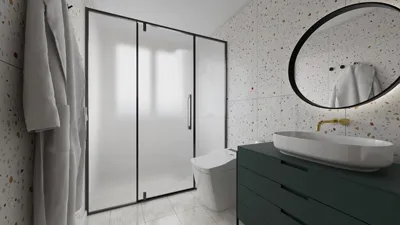


I view lift room design as an essential element of a building, often overlooked, yet crucial due to the high traffic and high stakes involved. When vertical circulation is limited, it's imperative that every detail serves a specific purpose. My objective is to achieve immediate clarity, facilitate intuitive movement even in busy periods, and ensure comfort for users during peak times. This goal necessitates a cohesive balance between proportion, lighting, acoustics, and materials, all in sync with human flow and regulatory needs, utilizing tools like Homestyler for effective layout simulations.
Real-world data supports my observations on projects: decisions are made in mere seconds, and the environment significantly affects behavior. According to Gensler’s 2024 research, well-designed arrival and circulation areas are linked to enhanced workplace experience ratings, especially through effective wayfinding and clear visibility. The IES recommends maintaining 100–200 lux in circulation zones and up to 300 lux in areas adjacent to task zones, while lift call panels and queueing lines should have 200–300 lux on vertical surfaces to ensure visibility and safety (as per IES standards). Color and psychology are also key—higher contrasts can improve perceived clarity, while cooler tones help create an illusion of spaciousness and tranquility.
Comfort is a vital factor in performance enhancement. The WELL v2 standards stress the importance of glare management and color fidelity (R9 and CRI) to minimize eye strain, alongside emphasizing the link between easy navigation and overall wellbeing. Research from Steelcase points to the connection between enhanced acoustic qualities and reduced cognitive strain—this is especially critical in busy elevator lobbies where noise from announcements, footsteps, and discussions can increase stress levels. When these aspects are integrated, even a small lift lobby can appear welcoming, organized, and efficient.
Define the Spatial Ratios First
I begin by determining a clear ratio between front-of-house and back-of-house spaces: allocating 60–70% of the lobby to public queueing and circulation, while reserving 30–40% for service clearances and panel access. It’s crucial to maintain a clear width of 1.8–2.2 m in front of elevators to allow for two-directional flow; this should expand to a minimum of 2.5 m if multiple cars are opening simultaneously. Sightlines must be unblocked—ensure a 10–15 m unobstructed view to primary call panels and directories so users can quickly identify their decision points.
In the process of evaluating queue depths and potential bottlenecks, I find that layout simulation tools can validate assumptions prior to construction. Using room design tools like Homestyler enables me to iterate through various options swiftly, optimizing flow during peak times and ensuring that furniture or signage does not impede circulation.
Light That Shapes Perception and Movement
Light establishes the rhythm of space. I implement layered lighting: 200–300 lux on vertical surfaces near call panels and signage, 100–200 lux for the lobby’s ambient lighting, and accent lights to highlight door reveals. A color temperature range of 3000–3500K creates a warm atmosphere suitable for hospitality while maintaining clarity. To avoid glare on stainless elevator doors, I steer clear of direct downlights at the entry points; instead, I use linear grazers or wall wash lights along sidewalls to ensure gentle visibility without creating reflections. For visual consistency, I center luminaires over each door bay to reinforce destination cues.
Controlling glare is vital. It is advisable to aim for a Unified Glare Rating (UGR) of ≤ 19 in primary viewing directions and employ matte finishes around indicator displays. In areas that connect to natural light, low-reflectance flooring (with an LRV of 20–35) minimizes bounce glare, alongside a ceiling reflectance of 0.6–0.8 to maintain efficient ambient lighting.
Color Psychology and Visual Compression
In smaller lift rooms, color can significantly alter perception of space. Utilizing cooler neutral tones with subtle undertones—such as blue-gray or faded green—can alleviate queue anxiety and create a sense of increased space by visually pushing walls outward. High-contrast skirting and door reveals enhance the sense of boundary, improving spatial clarity from afar. I would use more saturated colors strategically for wayfinding bands or a single accent wall opposite the elevator line to direct attention without cluttering the view.
Material Strategy: Durability, Cleanability, and Acoustic Softness
Given the frequent usage of these areas, I choose impact-resistant wall cladding reaching heights of 1.1–1.2 m, transitioning to an acoustic finish above to minimize sound reverberation. I prefer slip-resistant porcelain or terrazzo flooring (rated R10–R11) to withstand heavy traffic; entrance mats at lobby thresholds help manage grit and noise. Door surrounds are ideally constructed from stone or compact laminate to endure trolley impacts. In terms of sustainability, I opt for low-VOC adhesives and materials that feature Environmental Product Declarations and recycled content when possible. Also, installing ceiling clouds or micro-perforated metal with acoustic backing effectively reduces reverberation time (RT60) to around 0.6 to 0.8 seconds, creating an ideal environment for conversation and announcements without harshness.
Acoustic Comfort in High-Traffic Cores
Echo can amplify stress levels. I aim for a balanced acoustic environment by incorporating sound-absorbent ceilings, soft-wall panels strategically placed across from hard elevator banks, and targeted sound masking in areas where open office spaces leak into the lobby. Using rubber underlayment beneath tiles can help lessen noise impacts from luggage and carts. Additionally, mechanical noise from machine areas should be kept below NC-35 levels for lobby spaces; isolating and securing equipment mounts is crucial for preventing vibration noise.
Ergonomics at the Call Panel
Call buttons and screens must accommodate a diverse user base. I recommend mounting them 900–1200 mm from the finished floor to ensure reachability, with a clear floor space of approximately 1500 mm diameter for turn access where feasible. It’s important to illuminate the panel faces to 200–300 lux without creating glare. Utilizing tactile and high-contrast labels enhances accessibility, and audible signals should be distinct but not exceed 60–65 dBA at a distance of one meter. If destination-dispatch systems are implemented, kiosks should be positioned away from immediate door swings and angled 10–15 degrees toward approaching users to reduce potential conflicts.
Circulation Patterns and Queuing Logic
I identify three key flows: approach, wait, and disperse. Approaches should slope gently—ideally a 1 to 10 ratio transitioning into the queue area—allowing for natural self-organization among users. Waiting areas need visual anchors such as well-placed lighting, patterned flooring, or subtle rails suggesting lanes that don’t impose a turnstile feel. Dispersal paths should be the widest and clearest, devoid of furniture, signage, or plants within the area. For banks with four or more elevator cars, a central decision island with overhead signage that exceeds 2100 mm in height and a low-profile base should be considered to maintain ADA compliance.
In the case of complex multi-bank elevator cores, I employ various queue algorithms and emergency egress designs using an interior layout planner to validate both best- and worst-case scenarios during peak demand.
Wayfinding That Reduces Cognitive Load
Users tend to move quicker when information is readily accessible. I position primary signage at eye level upon approach, secondary markings above door frames, and reassurance indicators along sidewalls after decision points. Numbering should be large, high-contrast, and consistently placed. A straightforward floor design—using perpendicular bands leading towards each door—can subtly guide movement while avoiding clutter. Incorporating dynamic displays to show car statuses and average wait times builds trust and decreases backtracking.
Lighting Controls and Energy
Utilizing occupancy sensors with time-delay dimming ensures safety while minimizing energy usage during off-peak periods. I set a standby lighting scene of 20–30% that escalates to full illumination upon detecting occupancy, along with a comfortable late-night scene at 2700–3000K. Consistency in color rendering (CRI ≥ 90) is vital for maintaining the integrity of finishes and ensuring faces are discernible on security cameras. Integrating emergency lighting seamlessly within the ceiling design ensures that users feel guided rather than disoriented during drills or real emergencies.
Safety, Code, and Maintenance Access
Aesthetic considerations should never compromise clear access. Ensuring that electrical panels, shutoffs, and rescue equipment are easily reachable with appropriately labeled panels is crucial. Handrails positioned near long queues can provide support without appearing as barriers. Floor transitions should be flush, avoiding any metal reveals that may catch wheels. During fire emergencies, maintain illuminated paths away from elevators, ensuring signage remains legible under emergency lighting conditions.
2024–2025 Finishing Touches and Trends
Current design trends lean towards matte metallics, microtextured wall panels that absorb sound, and subtle biophilic design elements such as planters integrated with railings. Destination-dispatch kiosks now often showcase user-friendly interfaces, while wider door reveals enhanced with integrated linear lighting create a more pronounced and inviting entry for each elevator car. The most effective spaces prioritize quietness, eliminate glare, and present a clear visual structure at first glance.
Typical Dimensions and Quick Reference
- Minimum clear waiting depth in front of doors: 1.8–2.2 m (expand for multi-car arrangements)
- Queue width per lane: 900–1000 mm
- Call panel mounting height: 900–1200 mm above finished floor
- Vertical illuminance at panels and signage: 200–300 lux
- Ambient illuminance: 100–200 lux
- Targeted reverberation time (lobby): 0.6–0.8 seconds
- Recommended color temperature: 3000–3500K (using 2700–3000K after-hours)
Case Notes: Small Footprint, Big Clarity
During a recent retrofit of a 3.6 m wide lift lobby featuring three cars, techniques like wallwashing on sidewalls, adding high-contrast door reveals, and repositioning destination-dispatch kiosks 1.2 m off-axis significantly reduced the perceived congestion. We incorporated a matte acoustic panel above the impact zone, resulting in approximately a 35% reduction in reverberation after commissioning. A simple flooring pattern aligned with each door further stabilized queue organization without needing additional railings.
Checklist Before You Sign Off
- Are call panels clearly visible within a 10–15 m approach?
- Are lighting levels compliant with IES guidance for circulation, with vertical focus at information points?
- Is there a clear waiting zone of 1.8–2.2 m, with expanded egress paths?
- Are all sources of glare controlled around stainless doors and displays?
- Is acoustic reverberation softened above high-impact zones?
- Are the materials chosen for impact resistance and easy maintenance?
- Do lighting controls provide after-hours settings with standby dimming capability?
- Is wayfinding clear, consistent, readable, and reinforced by architectural elements?
FAQ
Q1. What are the optimal lighting levels for a lift lobby?
A1. Aim for an ambient level of 100–200 lux and 200–300 lux on vertical surfaces at call panels and signage, adhering closely to IES circulation recommendations. This balance maximizes visibility while minimizing glare.
Q2. How can I alleviate queue stress in a compact elevator bank?
A2. Implement layered lighting, high-contrast reveals, and subtle banding on the floor to indicate lanes. Ensure a clear waiting depth of 1.8–2.2 m and make decision points visible from a distance of 10–15 m.
Q3. What materials offer the best durability in a high-traffic lift room?
A3. Opt for porcelain or terrazzo flooring with R10–R11 slip ratings, impact-resistant lower wall cladding reaching 1.1–1.2 m, and acoustic finishes above to mitigate sound. Matte metals at door reveals resist glare and fingerprints effectively.
Q4. Which color palette is recommended to make compact lift lobbies appear larger?
A4. Utilize cooler neutral shades (like blue-gray and desaturated green) paired with high contrast edges. Keep saturated colors minimal on large surfaces, reserving vibrant hues for wayfinding purposes to avoid visual clutter.
Q5. How can I enhance acoustics without a cumbersome appearance?
A5. Employ micro-perforated metal ceilings with acoustic backing, and use fabric or PET wall panels in high-impact areas, paired with rubber underlayment under tiles. Aim for a reverberation time (RT60) around 0.6–0.8 seconds.
Q6. What are the best practices for ergonomic call panel design?
A6. Position controls between 900–1200 mm above the finished floor, ensure a clear turning radius of 1500 mm where possible, provide vertical illumination of 200–300 lux at the panel, and incorporate high-contrast tactile labeling with clear audible cues (60–65 dBA).
Q7. How do lighting controls contribute to energy efficiency?
A7. Implement occupancy sensing alongside a 20–30% standby scene that activates to full brightness upon detecting movement, along with a comfortable, warmer late-night scene. Maintaining a CRI of ≥ 90 ensures accurate color representation and improves visibility on security cameras.
Q8. What is the ideal configuration for multiple elevator cars?
A8. Create a central decision-making zone with clear sightlines, position kiosks outside of door swing areas, and widen paths for exiting. Confirm queue depths and identify potential bottlenecks with a layout simulation tool like Homestyler before proceeding with construction.
Q9. How should signage be organized effectively?
A9. Place primary indicators at eye level upon approach, secondary markers above door frames, and reassurance signals along the walls after decision points. Use large, high-contrast numbers displayed consistently throughout the bank.
Q10. What strategies can mitigate glare from stainless steel doors?
A10. Avoid direct downlights situated in front of doors; instead, utilize sidewall wallwashers or linear grazers, choose matte finishes for adjacent surfaces, and aim for a UGR of ≤ 19 in primary viewing angles.
Q11. Are there wellness standards related to lift rooms?
A11. The WELL v2 guidelines provide crucial insights on glare management, lighting quality, and movement/wayfinding—all of which contribute to user comfort and stress alleviation—serving as vital benchmarks for design aspirations.
Q12. What trends should I incorporate for 2024–2025 without risking obsolescence?
A12. Emphasize integrated linear features at door points, engaging destination-dispatch with intuitive interfaces, and microtexture acoustic wall treatments. These elements enhance functionality while maintaining a timeless aesthetic.


Discover the creativity of home design with Homestyler! This user-friendly platform offers an intuitive online design tool, stunning 3D renderings, and an array of inspiring design projects. Plus, its informative video tutorials make DIY home design easier than ever—perfect for every aspiring interior designer!
Progetta ora GRATIS
































