


When it comes to creating 3D models for tabletops, various styles cater to distinct needs and preferences. Familiarizing yourself with these types can elevate your design endeavors and enhance the overall user experience.
Different Types of Tabletop 3D Models:
The first aspect to understand is the prevalent categories of 3D models designed for tabletops:
1. **Static Models:** These fixed models lack moving components, making them ideal for displaying furniture and decor without intricate interactions involved.
2. **Interactive Models:** These models enable users to engage and manipulate them in various ways, with some even featuring animations for a more immersive experience.
3. **Modular Models:** Composed of separate pieces, these models can be rearranged or tailored to suit different layouts. They are perfect for those who appreciate versatility!
Selecting the Right Model Type
When choosing a 3D model for your tabletop, keep these considerations in mind:
- **Purpose:** What will the model serve? Is it intended for display, interaction, or customization?
- **User Experience:** How do you want users to engage with your design?
Enhancing Your Tabletop Designs with Superior 3D Modeling
Effectively utilizing 3D models can considerably boost the aesthetic and functional appeal of your tabletop projects. It's crucial to pay attention to technical aspects such as polygon count, texture quality, and rendering times, as these directly influence user satisfaction. Achieving a balance among these elements is vital for creating a successful model, possibly aided by platforms like Homestyler.
Additionally, experimenting with lighting and shadow effects in your models can add depth and realism, encouraging users to interact with them for extended periods.
Common Questions
Q: Which model type is most suitable for beginners?
A: Generally, static models are ideal for beginners since they are simpler to create and manage.
Q: Are interactive models applicable for educational settings?
A: Definitely! Interactive models can enrich educational experiences by allowing learners to engage dynamically with the material.
Q: What software tools do you recommend for designing tabletop 3D models?
A: Well-known software includes SketchUp, Blender, and Autodesk Fusion 360, with each option catering to various skill levels and project needs.
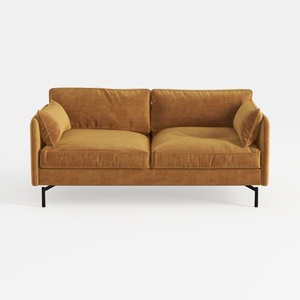
Modern Velvet Upholstered 2 Seater Sofa With Black Metal Legs 3D Model


Modern Brown Leather L-shaped Sectional Sofa With Throw Pillows 3D Model
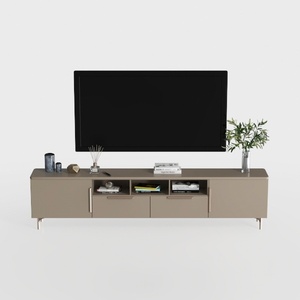
Modern Minimalist Solid Wood TV Stand Cabinet with Storage 3D Model
Discover the joy of home design with Homestyler! This user-friendly online platform offers a versatile design tool, stunning 3D renderings, inspiring design projects, and helpful DIY video tutorials. Whether you're a beginner or a seasoned designer, Homestyler brings your creative visions to life effortlessly!
立即免费设计
































