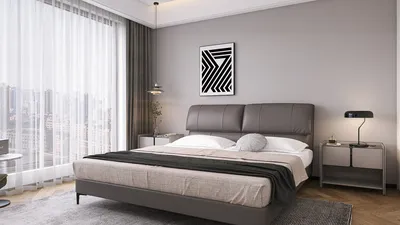


I appreciate the transformation that occurs when a bare wall is enhanced with subtle shadow lines or a refined chair rail. The addition of trim molding introduces architectural elements where there might have been none before, elevating a space from plain to sophisticated. When executed correctly, it instills a sense of proportion, rhythm, and texture, all while safeguarding areas that experience high traffic and guiding the viewer toward focal points. This is where tools like Homestyler can assist you in visualizing the impact of these changes.
Homeowners are drawn to spaces that exhibit purposefulness. Studies on workplace and residential environments have shown that individuals consistently prefer settings with a well-balanced visual hierarchy and intricate details. According to research from Gensler, environments that are visually organized tend to have a higher perception of effectiveness and user satisfaction, especially when their focal points and boundaries are easily discernible. Supporting this, insights on color psychology from Verywell Mind suggest that softer, balanced colors can alleviate anxiety and enhance tranquility, while carefully chosen accents can invigorate a space without causing overwhelm. Integrating trim into this design strategy not only frames color selections but also distributes them harmoniously across the walls, making tools like Homestyler invaluable for visualization.
Establish Your Design Intent First
Prior to selecting profiles and paint, clarify the narrative: whether classic, transitional, or contemporary. Your guiding principle should be proportion. I divide wall height into thirds to determine an optimal location for chair rails or wainscoting, making necessary adjustments for door and window heights along with sightlines. For ceilings that are 8–9 feet high, I typically position picture-frame molding approximately 6–8 inches from the corners, ensuring edges are not overcrowded visually. A modern design may opt for low-profile square edges and broad panel spacing, while a traditional approach might favor ogee or beaded profiles with tighter rhythms.
If you wish to experiment with panel sizes or traffic patterns, employing a layout simulation tool can help you visualize spacing around furniture, artwork, and door swings with actual dimensions. Using a room design visualization tool integrated with an interior layout planner can assist you in seeing the panels contextualized, a feature that platforms like Homestyler can provide.
Select Profiles with Purpose
Each profile contributes a unique character:
Ergonomics, Sightlines, and Daily Activities
I strategically place trim where hands and feet are likely to make contact with the walls. In narrow circulation areas that are less than 42 inches wide, using taller baseboards and durable paint finishes proves beneficial. For media walls, I prefer to steer clear of heavy crown moldings directly above screens, as this can create visual noise. In dining areas, aligning chair rails with standard backrest heights helps prevent scuff marks from paint. Understanding behavioral patterns is crucial; in spaces where children play or pets roam, I tend to recommend impact-resistant materials like MDF or hardwood, along with rounded edges to minimize potential damage from impacts.
Light, Shadow, and Finish Selection
Trim is designed to attract light. The profile's reveal should create a clean shadow line that avoids harsh reflections. In rooms with heavy tasks, opting for a softer eggshell finish on walls and semi-gloss on trim keeps reflections manageable yet easy to clean. According to IES recommendations, comfortable ambient lighting levels typically range from 200 to 300 lux in living spaces, with brighter task lighting at surfaces; the trim should avoid causing distracting specular highlights in close proximity to screens (as per IES standards). If natural light is particularly strong, using angled coves can diminish bright streaks on ceilings, enhancing overall visual comfort.
Color Psychology: Tone-on-Tone vs. Contrast
To achieve a sense of calm and cohesion, I frequently apply a tone-on-tone approach—painting the trim 10–20% lighter than the wall color. This technique elongates the appearance of walls and adds sophistication. Conversely, using contrasting trim can draw attention to geometric shapes; I generally reserve this for spaces with simplified furniture layouts and restrained color palettes. Insights from Verywell Mind's analysis of color psychology highlight that blues and greens promote tranquility, whereas warm accents foster approachability; trim can subtly influence these effects by framing varied color fields.
Acoustic and Thermal Benefits
Wainscotting over acoustic insulation or backed panels provides tangible sound dampening in echoes-prone hallways and stairwells. In older homes where plaster surfaces are uneven, chair rails and picture frames can conceal areas in need of repair while also functioning as a thermal barrier with their additional material layers.
Material and Sustainability Considerations
Choose materials according to the context. MDF is easy to work with and offers a beautiful paint finish for interiors; hardwoods such as poplar or maple deliver superior impact resistance, while PVC is a practical choice for high-moisture areas. When aiming for responsible sourcing, opt for low-VOC finishes and certified wood products. Utilizing material libraries can aid in comparing durability, finishes, and their environmental impact.
Measure Twice: Proportions and Spacing That Work
Here's a basic grid I rely on as a foundation, which I adjust during the installation:
Tools, Substrates, and Preparation
The distinction between amateur finishes and carefully tailored ones lies in surface preparation. I make sure to sand or skim-coat walls to create a smooth base for flat panels before applying a bonding primer. Essential tools I keep handy include a miter saw, coping saw, 18-gauge brad nailer, level or laser, construction adhesive, wood filler, caulk, and high-quality acrylic urethane enamel. Coping inside corners can help conceal any seasonal gaps, and on older walls, I take care to fit baseboards closely to uneven floors for crisp lines.
Step-by-Step Installation Process
Common Mistakes to Avoid
Maintenance and Longevity
Trims that experience frequent contact benefit from scrubbable finishes. I make it a point to label leftover paint cans based on the specific room and sheen for swift touch-ups. In areas with high humidity, applying a flexible, paintable sealant at the interface between the base and wall can help in reducing micro-cracking. For rental properties or children's rooms, I explore using replaceable flat panel insets secured with discreet fasteners to allow for easy swaps after damage occurs.
Budgeting: Where to Allocate Resources
Invest in millwork at eye level and in key focus areas such as entry walls, dining nooks, and major living spaces. Save expenses on less prominent profiles or secondary rooms. Utilizing pre-primed profiles can reduce labor needs; plain square-edge stock can look upscale with well-thought-out spacing and quality paint application.
Frequently Asked Questions
Typically, trim is placed 32–36 inches above the finished floor, aligning with the heights of nearby sills or chair backs. For spaces exceeding 9 feet in height, you could go up to 36–40 inches if the proportions feel right.
I recommend using semi-gloss or satin finishes for durability and ease of cleaning, combined with eggshell wall finishes to maintain contrast without producing glare, which aligns with comfort levels suggested by IES standards.
In areas prone to moisture, opt for moisture-resistant MDF or PVC. Make sure to seal all cut edges meticulously with primer and caulk to prevent any swelling over time.
Allow for a minimum of 2 inches of air around frames. For symmetrical wall designs, center the panels on the primary axis and size artwork to cover 60–70% of the panel width for a gallery-like effect.
Use square or eased-edge stock, simple coves for crown molding, and wider panel spacing. Stiles and rails should be kept around 2–3 inches to maintain a minimalist visual appeal.
Using flat panels over acoustic backing or beadboard in extended corridors can effectively reduce echo concerns. Pairing these with soft furnishings can significantly enhance sound quality.
When installing, scribe baseboards to the floor and be judicious with caulk application at wall interfaces. Coping the inside corners hides minor out-of-square conditions more effectively than mitering alone.
For ceilings at a height of 8–9 feet, crowns measuring between 3–5 inches appear proportionate; for those reaching 10–12 feet, 5–7 inches tends to work best. Prototype with cardboard mock-ups to gauge scale under actual lighting conditions.
Exact matches are not necessary; however, it is essential to maintain consistency within families. Simple casings should be matched with equally clean base and crown moldings, while ornate casings are best complemented with profiles of comparable weight.
Utilize 18-gauge brads into studs, filling with wood filler, sanding smooth, and spot-priming before applying finish coats. When working with MDF, be cautious not to overdrive the nails to avoid unsightly craters.
Employ a tone-on-tone color scheme with larger panels spaced generously, while making sure corners are clear by 6–8 inches to minimize visual disruption and give the design room to breathe.
Homestyler is an exceptional online home design platform perfect for anyone looking to transform their space. With its user-friendly design tool, stunning 3D renderings, diverse design projects, and informative video tutorials, you can effortlessly create and visualize your dream home. Dive into your design journey today!
Progetta ora GRATIS
































