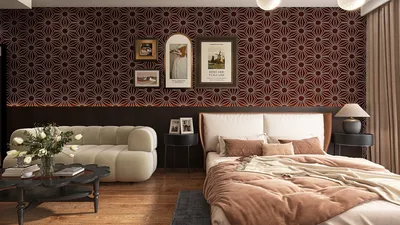


Neon lighting has the potential to elevate a lackluster room into a vibrant and dynamic environment when used purposefully. I consider neon as more than just aesthetic appeal; it is an integral part of a holistic lighting plan that harmonizes task, ambient, and accent lighting. According to the Illuminating Engineering Society (IES), general living areas are optimally lit at around 100-300 lux, while task-oriented spaces require even higher levels of 300-500 lux; neon should enhance rather than replace these foundation levels. Psychologically speaking, vivid colors can influence emotions and energy levels. Verywell Mind references color psychology by indicating that lively shades—such as electric pink, cyan, and lime—are typically linked with excitement, making them ideal companions to neon’s bold nature, effectively demarcating spaces meant for social interaction or creative endeavors.
Productivity and energy are closely tied to both ergonomics and the quality of lighting. The WELL v2 framework (Light concept) underlines the importance of mitigating glare, flicker, and aligning with circadian rhythms; thus, neon signage and LED neon strands should be dimmable and never serve as the main light source during sustained tasks. Research from Steelcase reveals that both lighting and environmental comfort substantially affect cognitive focus and continuity of attention—meaning neon should primarily serve as a focal accent or background integration rather than as an intense main illumination solution. When rearranging furniture in relation to neon features, assess clear sightlines and glow diffusion using a room layout tool to ensure optimal viewing angles and eliminate glare hotspots.
Crafting Your Neon Story
Begin with a narrative. I invite clients to express three words that encapsulate the room’s atmosphere—be it “retro club,” “digital art studio,” or “playful lounge.” From there, I choose neon words, shapes, or abstract lines that reinforce the theme. A solo neon script over a console can act as a centerpiece in a living area, while a geometric neon frame situated behind a desk can articulate a creative workspace. Ensure text remains readable and appropriately sized: a piece measuring 24-36 inches is suitable for most compact rooms, while more expansive areas can accommodate installations of 48-60 inches.
Multi-Layered Lighting: Ambient, Task, and Accent
Neon fits into the accent lighting category. For ambient illumination, rely on cove lights, wall grazers, or dimmable ceiling fixtures set between 2700-3000K for cozy, social environments or 3500-4000K for versatile work-and-play settings. Task lighting should be precisely aimed: desk lamps should deliver 400-500 lux, with kitchen surfaces requiring upwards of 500 lux. Neon introduces contour and flair—place LED neon rope along shelving recesses or behind headboards to establish a soft glow that complements general lighting without overpowering it. Always include a separate dimmer for neon to adjust brightness and minimize eye strain.
Color Selection: Balancing Vibrancy with Neutrals
Neon stands out more against matte, low-luster backgrounds. I favor neutral colors—like charcoal, clay, bone, or light taupe—to absorb excess light and sharpen edges. For those desiring a vibrant palette, limit selections to two primary colors alongside one accent (for example, cyan and magenta with a hint of lime). Employ color psychology thoughtfully: cool neon shades (like blue and cyan) foster tranquility and are well-suited for bedrooms or reading nooks, while warmer tones (such as coral or pink) encourage activity in social spaces; meanwhile, green neon evokes an innovative ambiance and pairs beautifully with greenery or metallic accents.
Highlighting Walls and Framed Scenes
Neon is most effective when positioned contextually. Create a focal vignette by placing neon above a low console adorned with curated items, or surround a neon word display with two acoustic panels wrapped in textured materials to soften reflection and sound. In studios, encase neon with black slat walls for striking contrast and to conceal cables. For smaller spaces, restrict the width of focal elements to no more than one-third of the wall to avoid visual clutter.
Neon in Bedrooms: Soft Luminescence and Controlled Brightness
In sleeping areas, it’s best to keep neon indirect. Using diffused strips placed behind headboards or underneath floating shelves creates a gentle light wash that won’t interfere with sleep cycles. Avoid high-saturation colors like red or blue at eye level during night hours; opt for warm hues such as coral or peach, set to low brightness. Combine neon lights with blackout curtains and soft ambient lamps to preserve a relaxing atmosphere.
Living Rooms: Defining Social Spaces and Media Backgrounds
Utilize neon to outline conversation areas, like a curved neon line following the edge of an integrated bench or a light above a drinks cart. When placed behind televisions, a muted neon glow can decrease contrast and enhance viewing comfort when dimmed appropriately. Ensure that cable management is tidy with raceways, and route drivers to ventilated spaces, keeping transformers easily accessible for maintenance.
Home Office and Creative Workspaces
A neon symbol or frame positioned behind your desk can enhance brand presence during video conferences. Situate neon outside direct sightlines to avert screen glare. Supplementary lighting such as task lamps operating between 3500-4000K and monitor light bars handle detailed tasks; neon, however, sets the creative ambiance for brainstorming or content creation sessions.
Rooms for Children and Teens: Fun Yet Safe
Select low-voltage LED neon with shatter-resistant silicone diffusers. Securely install out of reach, and use tamper-resistant cord covers. Opt for designs that are adaptable—stars, skateboard themes, or distinctly minimalist art—allowing the space to evolve without frequent updates.
Acoustic and Material Considerations
Shiny surfaces can reflect neon sharply. To minimize glare, I recommend using micro-textured paints, ribbed wood panels, or woven wall coverings. To enhance acoustic comfort in more dynamic environments, include fabric-wrapped panels or plush carpets; balancing the excitement of neon is essential to prevent fatigue during extended social gatherings or gaming sessions.
Sustainability Practices and Care
Opt for energy-efficient LED neon with a high Color Rendering Index (CRI of 90+) for accurate color representation. Verify that driver specifications ensure flicker-free operation and compatibility with dimming systems. Since dust accumulates rapidly on exposed sections, install them at reachable locations or schedule seasonal cleanings with a microfiber cloth. When feasible, select low-VOC paints in tandem with neon to support better indoor air quality.
Ratios and Visual Balance in Placement
I follow a straightforward principle: neon should represent 10-20% of the total visible lighting coverage in any given room. Combining linear designs with a focal neon sign creates visual rhythm—one standout piece, accompanied by two supporting lines. Embrace asymmetry for excitement, yet ensure neon edges align with architectural elements (like shelves or door frames) to prevent visual distraction.
Testing Layout and Visual Composition
Before making permanent adjustments, simulate the layout, sightlines, and cable pathways. Utilizing a layout visualization tool ensures your seating arrangement aligns comfortably with the neon, preventing direct reflections into screens or mirrors. This step is invaluable for avoiding unnecessary repairs, particularly in compact living spaces where every inch counts.
For those seeking further insights: IES provides lighting standards outlining recommended levels for residential tasks and comfort; the WELL v2 (Light) framework offers insights into managing glare, flicker, and circadian considerations; and Verywell Mind’s color psychology guide discusses how color saturation impacts mood.
Practical Neon Concepts to Experiment With
- A script neon sign positioned above a bar cart with a dimmable function for evening gatherings.
- Linear neon lighting under floating shelves to showcase collectibles.
- Geometric neon framing behind a desk to create effective video backdrops.
- A halo of neon around mirrors to introduce ambient lighting in dressing areas.
- A gentle neon curve outlining a bench or headboard for subtle contour.
- Neon outlines on a gallery wall to highlight mixed media artwork.
- Low-output neon lighting beneath bed frames to achieve a levitating visual effect.
Installation Guidelines
- Utilize appropriate anchors and mounts designed for heat dissipation.
- Ensure power supplies are well-ventilated; avoid hermetically sealing drivers in compact spaces.
- Confirm dimmer compatibilities with your specific LED neon system.
- Keep a safe distance from flammable materials during installation.
- Route cables neatly using painted raceways or in-wall solutions where regulations allow.
Frequently Asked Questions
Q1: How luminous should neon be in a living area?
A1: Think of neon as accent illumination. Maintain general ambient levels around 100-300 lux as per IES recommendations and adjust neon via a dimmer so it remains below the ambient level, creating contrast without causing glare.
Q2: Can neon disrupt sleep patterns in bedrooms?
A2: This can be the case if it acts as the main light source or uses overly saturated colors. Keep neon indirect, warm-toned, and dimmed. Pair it with soft ambient lamps and blackout curtains for sleep-friendly environments.
Q3: Which neon hues are optimal for productivity?
A3: Cooler tones such as cyan and soft blue enhance focus when used tastefully; combine with neutral ambient lighting around 3500-4000K. Reserve vibrant pinks or reds for brief energy bursts in brainstorming settings.
Q4: How can I minimize glare off screens due to neon?
A4: Position neon behind your camera view or to the side, avoiding direct alignment with screens, and use matte finishes on walls. Dim the neon to eliminate reflective hotspots on glossy displays.
Q5: Is LED neon a safer alternative to traditional glass neon?
A5: Indeed. LED neon operates at lower temperatures, uses less voltage, and incorporates flexible diffusers that are less likely to break. Always adhere to manufacturer guidelines for installation and ensure adequate ventilation for power supplies.
Q6: Can neon be integrated into minimalist designs?
A6: Certainly—restricting the color scheme to one hue, selecting simple line designs or typography, and mounting against understated matte neutrals works well. Limit neon's coverage to 10-15% of the overall visible footprint for a serene ambiance.
Q7: What is the ideal height for a neon sign above furniture?
A7: Aim for 6-10 inches above surfaces like consoles or headboards, centering the sign within the furniture’s width. For seating areas, keep the midpoint of the neon near average eye level (around 57-60 inches from the ground).
Q8: Is professional installation necessary?
A8: Small plug-in LED neon pieces can be installed by anyone, but complex hardwired setups, in-wall cable management, or intricate dimming systems should be handled by qualified electricians to ensure safety and code adherence.
Q9: How can I harmonize neon colors with existing decor?
A9: Anchor neon using a neutral base and echo the neon color in two minor accents (like cushions or artwork) to create cohesion. Restrict the total number of neon colors to two primary ones and one accent for a unified look.
Q10: How do I approach acoustic issues in lively spaces?
A10: Neon can amplify perceived intensity; incorporate fabric walls, carpets, and padded seating to dampen sound. Ensure neon is distanced from highly reflective surfaces to mitigate echo and visual glare.
Discover your creative potential with Homestyler! This amazing online home design platform features a user-friendly design tool, stunning 3D renderings, and a wealth of DIY video tutorials. Perfect for bringing your interior ideas to life, no matter your experience level!
Design Now for FREE
































