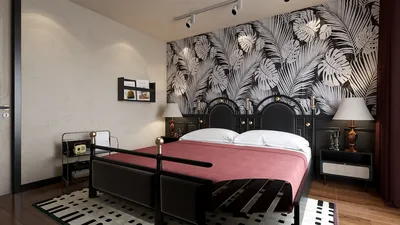


I've always appreciated how a single music poster can elevate a room from dull to dynamic. When executed effectively, these artworks do more than just add decoration—they establish mood, inform color selections, and even affect how the space is utilized. In home projects where individuality is crucial, integrating music art becomes a quick, impactful element that interacts harmoniously with lighting, textures, and sound. Utilizing tools like Homestyler can help visualize these changes before implementation.
Research supports the effect of visual stimuli on comfort and efficiency. A study by Steelcase highlighted that surroundings reflecting personal identity enhance engagement and wellbeing, particularly in hybrid living and working environments. Furthermore, WELL v2 connects visual comfort and glare reduction with cognitive performance, emphasizing that balanced luminance and controlled contrast can alleviate eye strain. This is particularly important when placing shiny or dark posters near light sources—maintaining visual balance is essential for both atmosphere and functionality.
Understanding color psychology provides valuable guidelines. According to an overview by Verywell Mind, warm colors (reds and oranges) can invigorate, while cool tones (blues and greens) promote relaxation. Music posters frequently embrace these color schemes: vibrant tour prints can energize a gaming area, while subdued blues from jazz album artworks can create a serene reading atmosphere. I align color palettes with behavior zones—if a room serves multiple purposes, I use bold posters as accents while keeping the primary color scheme more subdued for relaxation purposes.
Determining the Optimal Poster Scale
Size significantly influences impact and visual harmony. Large posters (24x36 inches or A1) act as visual anchors and require adequate empty space surrounding them. Smaller prints (11x17 inches or A3) are best arranged in grids or linear sequences; consider displaying three to five pieces with uniform spacing. I aim for 1.5 times the width of the poster as the typical margin around larger pieces. If the room's layout seems ambiguous, utilizing a room design tool like Homestyler can assist in assessing sightlines and achieving balance.
Strategizing Colors: Blending with Your Palette
Allow the room's primary color palette to inform your poster choices. For neutral spaces (whites, grays, and oaks), opt for bold album art to create contrast. In vibrant environments, maintain a consistent frame aesthetic—either black, white, or natural—to prevent the artwork from clashing visually. Incorporate one or two accent colors from the posters into fabrics or lighting to tie the room together. I also pay close attention to reflectivity: high-gloss posters near windows can create glare, whereas matte finishes help reduce reflections and ensure clarity in varying light conditions.
Illumination, Glare, and Display Arrangement
The right lighting is crucial for showcasing a music wall. I recommend positioning posters away from direct sunlight to prevent fading and harsh contrasts. Use ambient lighting with a warm white spectrum of 2700–3000K for evenings and a cooler 3500K for daytime brightness. Following the visual lighting principles from WELL v2 and IES glare management guidelines, minimize reflections by opting for matte glass or anti-glare acrylic and angling frames slightly downward. If picture lights are added, ensure the brightness remains balanced to avoid overwhelming the room's overall ambiance.
Selecting Frames, Mounts, and Materials
Frames should enhance the artwork, not distract from it. Slim metal frames are ideal for modern rock or electronic posters, while natural wood adds warmth to folk and jazz styles. Anti-UV acrylic protects prints, while acid-free mats help prevent yellowing. If clustering multiple posters, ensure that mat widths and frame styles are consistent to create a cohesive look. For renters, consider using removable hooks and magnetic poster hangers—this approach is lightweight, clean, and more forgiving on walls.
Creating Grids, Stacks, and Gallery Walls
There are three effective arrangements: the tight grid, the vertical stack, and the salon-style mix. For grids, precise spacing is vital (I typically recommend 2–2.5 inch gaps). Vertical stacks are great next to doors or cabinets, featuring three coordinated pieces to draw attention upward. Salon walls, on the other hand, allow for a mix of sizes and frames; anchoring with a central piece and surrounding it with smaller artworks creates an eye-catching display. During the planning phase, I sketch layouts and utilize an interior layout planner like Homestyler to ensure proportionality and intentionality in the final arrangement.
Acoustic Considerations for Poster Displays
Paper and glass tend not to absorb sound; thus, a wall adorned with posters may reflect mid-to-high frequencies, leading to increased noise or echo in versatile spaces. To combat this, I suggest pairing poster walls with soft surfaces—such as rugs, curtains, or upholstered furniture—or introducing a few fabric-wrapped panels opposite the display. For music rooms, positioning sound-absorbing elements at initial reflection points while keeping the poster wall as a visual focal point is ideal.
Curating Themes: Genre, Era, and Personal Story
The theme is what unifies the collection. A jazz nook with Blue Note-inspired designs sets a chic vibe; punk concert posters infuse energy and liveliness. Chronological arrangements can illustrate a journey—showcasing early albums on the left and recent tours on the right—reflecting personal growth alongside musical evolution. I also enjoy blending original pieces with minimalist lyric art to balance intensity and allow visual rests.
Harmonizing Posters with Furniture and Space Flow
Posters should enhance the room's functionality. Position statement pieces where lines of sight naturally connect—across from main seating or above console tables. Maintain a gap of 8–10 inches above furniture to avoid a cramped look. In multifunctional spaces, a calming collection of posters can frame a workspace, while energetic pieces can be clustered around entertainment areas. A thoughtfully planned layout improves circulation and visual transitions between different zones.
Caring for Your Art
Keep posters shielded from intense sunlight and high humidity. Use archival sleeves for rare pieces, and clean frames with microfiber cloths to prevent scratches. If you plan to switch out artworks seasonally, store them flat with backing boards. When updating a room's color scheme, consider replacing mats instead of frames—it’s a cost-effective method that refreshes the visual without needing to redo wall arrangements.
Cost Management: Original Art versus Reproductions
Original posters possess unique character—screen-printed layers and textured edges—qualities that reproductions often lack. I suggest incorporating a few original pieces as focal points alongside high-quality reproductions for volume. Invest in quality framing for standout pieces while using simpler poster hangers for others. This balanced strategy results in a rich aesthetic without stressing the budget.
Quick Hanging Tips That Work
- Center artwork at a height of 57–60 inches from the floor to the midpoint of the piece.
- Maintain uniform gaps: 2–2.5 inches for grids, 1.5–2 inches for small clusters.
- Use kraft paper templates to visualize the layout before committing to drill holes.
- Balance one standout piece with two supporting artworks to avoid overwhelming the space visually.
- Align to structural features such as window tops and door frames for a polished look.
Color Pairings by Emotion
- Energizing: red/orange posters, black frames, and warm wood accents.
- Focusing: blue/green posters, white frames, and soft neutral tones.
- Cozy: sepia and earth tones, walnut frames, with warm lighting at 2700K.
- Refreshing: pastels, light oak frames, and greenery to soften edges.
Frequently Asked Questions
Q1: How many posters are ideal for a small wall?
A single 24x36 inch focal piece or a group of four 11x17 inch posters works effectively. Ensure there’s at least one poster’s width of empty wall around the arrangement for balance.
Q2: What color temperature is optimal for displaying music posters?
Opt for 2700–3000K for cozy evening lighting and 3500K for daytime clarity. Keep illumination uniform to minimize shadows and glare, in line with the visual comfort guidelines detailed in WELL v2.
Q3: How can I prevent glare on framed posters?
Select matte paper and anti-glare acrylic, avoiding direct light sources. Tilt picture lights and keep brightness levels balanced to ensure the artworks remain clear and visible.
Q4: Should frames match or be mixed?
Match frames for grids and mix strategically on salon walls. If combining, maintain consistency either in color or frame style to avoid visual chaos.
Q5: Can music posters influence acoustics?
Indeed, glass and paper reflect sounds. Combine poster walls with soft materials like rugs and curtains to enhance sound absorption and diminish echo.
Q6: How high should posters hang above furniture?
Maintain a distance of 8–10 inches from the top of the furniture to the bottom of the frame for clarity and compositional breathing space.
Q7: What’s the safest method for hanging art in a rental?
Utilize removable adhesive hooks or lightweight poster rails. Always check paint compatibility and weight limits prior to hanging.
Q8: Are original posters a worthwhile investment?
For collectors, absolutely. Integrate a couple of originals with quality reproductions to gain texture and significance without exceeding financial limits.
Q9: How can I effectively plan a gallery wall layout?
Use paper cutouts to simulate arrangements, then fine-tune it with an interior layout planner like Homestyler to experiment with spacing, sightlines, and balance before finalizing.
Q10: Which colors are best suited for study or work-from-home spaces?
Blues and greens promote calm concentration, as outlined by color psychology; reserve brighter reds for accents rather than as dominant features in such areas.


Homestyler is your go-to platform for transforming home design dreams into reality. With its user-friendly online design tool, stunning 3D renderings, a plethora of inspiring design projects, and informative DIY video tutorials, creating your ideal space has never been easier or more enjoyable.
Concevez maintenant gratuitement
































