

When it comes to curtains, I view them as both a functional element and a vital part of a room's character. Choosing the right fabric, heading style, and mounting height can completely transform a space's proportions, manage glare, and absorb sound while still allowing for natural light and views. In both residential and workplace environments, curtains paired with thoughtful hardware and lighting solutions often provide the quickest way to elevate comfort and atmosphere. Utilizing design software like Homestyler can further enhance this experience by allowing for visual adjustments before the final installation.
Lighting lays the foundation for comfort. The Illuminating Engineering Society (IES) suggests maintaining a brightness level of around 300–500 lux for standard residential tasks, while office workspaces may require up to 500 lux. Controlling glare is also crucial for visual comfort. Sheer and semi-sheer curtains can soften harsh daylight and lessen contrast without significantly darkening the room, helping maintain appropriate ambient lighting levels. The WELL v2 standards advocate for minimizing discomfort glare and promoting circadian health, something layered treatments from sheer to blackout can achieve by efficiently modulating natural light and providing complete darkness at night for better sleep.
The interplay of color and emotion is paramount alongside performance. Research compiled by Verywell Mind indicates that blues and greens evoke feelings of calmness and concentration, while warmer hues can energize social spaces. This can be expressed in your fabric choices: for bedrooms, opt for cool-toned sheers that promote relaxation, whereas warmer, textured drapery in dining and living areas can enhance sociability. In office settings, using neutral palettes with subtle warm undertones contributes to a professional but welcoming environment, effectively alleviating visual fatigue.
Exploring Curtain Functions
Effective curtains address glare, privacy, sound absorption, thermal control, and proportion. My preferred method is layering: utilizing a double track with sheer and blackout options allows you to adjust daylight effectively throughout the day while ensuring privacy at night. In city environments, a dense weave or interlined curtain can significantly diminish street noise; when complemented by soft furnishings, you'll create a quieter atmosphere with less echo. Additionally, thermal linings can regulate temperatures by buffering heat transfers through windows.
Choosing Fabrics and Linings
The weight of the fabric directly influences its drape quality and sound absorption capabilities. Lightweight voiles work well for gentle light diffusion; midweight linens and cotton blends provide structure and texture; heavier options like wool, velvet, or interlined poly-cotton are ideal for maximum light blocking and sound dampening. For windows with considerable sun exposure, selecting fade-resistant fabrics and considering effective lining will be key. If energy efficiency is essential, thermal or blackout linings help reduce heat loss and protect the face fabric from harmful UV rays.
Impact of Heading Styles
The heading style determines both aesthetics and functionality. Ripplefold creates a sleek, modern wave that stacks neatly, conserving views. Pinch pleat conveys a tailored and classic appearance with deeper folds, resulting in a fuller look. A rod pocket offers a relaxed feel but may be cumbersome to operate; I typically favor grommets or rings to ensure smooth functionality. Always factor in stack width: allow for an extra 25–35% fullness, so the panels appear abundant and can fully clear the glass when drawn open.
Mounting Height, Width, and Proportions
Mounting curtains high—preferably 2–6 inches beneath the ceiling or crown molding—elongates the wall and curtails light bleed. Extend the curtain rods 8–12 inches past each side of the window to move the curtains completely away from the glass, maximizing daylight and views. For curtain length, I recommend a floor length for everyday use; a slight break (1–2 inches) adds a tailored touch, while pooling is suited for formal occasions but requires diligent upkeep to avoid dust buildup. When designing layouts around larger windows or multiple openings, using a room layout tool like Homestyler can assist in previewing sightlines and traffic flow before finalizing hardware placements.
Strategies for Light Control
Layering sheer and blackout curtains allows for flexible light management day and night. In home offices, strive for an even distribution of daylight to achieve 300–500 lux without glare; sheer fabrics can diffuse direct sunlight while side panels reduce lateral brightness. Bedrooms are best served with true blackout treatments combined with a light-sealed mount to secure sleep hygiene. Living rooms thrive on dimmable ambient lighting balanced with sheers that regulate daytime brightness while preserving the view outside.
The Psychology of Color and Texture
Soft neutral tones create a versatile backdrop for changing decor styles. Shades of blue and green are especially suitable for bedrooms and reading areas due to their calming effects; meanwhile, warmer colors like terracotta or ochre enliven dining areas. The texture also plays a crucial role in perceived warmth—slubby linen exudes an organic feel, velvet appears lush and formal, and wool blends introduce a tailored softness. Patterns should scale appropriately to window sizes: opt for large prints for expansive bays and intricate designs for smaller openings to maintain visual harmony.
Acoustic Comfort through Material Selection
Glass often amplifies sound, whereas layered textiles can mitigate reverberation. Heavy, lined drapes particularly enhance clarity of conversation in spaces with hard floors. When combined with rugs and upholstered furniture, you can achieve a balanced solution. Prioritize sustainable options, such as OEKO-TEX-certified fabrics, UV-stabilized recycled polyester sheers, and natural fibers like linen or wool sourced from reputable mills. Choose durable hardware to extend the lifespan of your window treatments—sustainability hinges on both longevity and material composition.
Considerations for Privacy, UV Protection, and Thermal Management
Rooms facing the street require daytime privacy without complete darkness: consider privacy sheers (higher denier with subtle texture) paired with blackout curtains for nighttime. Rooms with southern or western exposures must have UV-blocking linings to prevent fading, while north-facing spaces can utilize lighter fabrics to maximize sunlight. In areas experiencing significant seasonal temperature variations, thermal interlining helps mitigate drafts and retains heat; it also imparts a plush quality to otherwise lightweight materials.
Hardware, Tracks, and Upkeep
The quality of tracks and rings directly influences daily satisfaction. Ceiling-mounted tracks are ideal for modern ripplefolds and tall windows, while decorative rods enhance traditional pleats. For expansive areas, implement baton draw or motorized systems to avoid wear from handling. Maintenance is straightforward: a monthly vacuum with a soft brush is recommended, alongside spot cleaning as necessary, and rotating the panels annually will help balance sun exposure. When selecting items, make sure to document care instructions to ensure long-lasting performance.
Curtain Strategies for Different Rooms
Living rooms should focus on preserving views and managing glare—utilize sheers combined with side panels that stack away from the glass. Bedrooms require blackout curtains with overlapping returns to block light effectively; calming colors and soft textures are essential. In kitchens, café curtains or Roman shades can protect from splashes while using machine-washable fabrics is ideal. Home offices benefit from sheer curtains for glare reduction, combined with neutral tones and sharp headings that create clean lines. For children’s rooms, prioritize blackout options for nap times, ensure durable fabrics are used, and secure hardware placement.
Design Workflow: From Evaluation to Installation
My design process begins with assessing the orientation, window dimensions, and the specific needs for each space, mapping out how light interacts throughout the day. I take precise measurements for both inside and outside mounts, mapping stacking and clearance requirements, choosing heading styles that reflect the overall design narrative, and selecting fabrics based on functionality first and aesthetics second. Utilizing a layout simulation tool like Homestyler becomes invaluable when coordinating multiple windows, doors, and furniture arrangements.
layout simulation tool. In alignment with compliance and comfort standards, I refer to the WELL v2 guidelines regarding light and glare, while adhering to IES illuminance ranges to maintain practical ambient and task lighting levels.
Frequently Asked Questions
When using ripplefold or pinch pleat styles, plan for a fullness of about 2.0–2.5 times the track width to avoid flat, inadequate panels. Sheers tend to perform best when positioned at the higher end for a lush wave effect.
Implement privacy sheers to soften direct sunlight and add side panels to diminish lateral brightness. Aim to achieve 300–500 lux on work surfaces, as recommended by IES, to ensure visual comfort.
Not necessarily. You can combine a lightweight face fabric with a quality blackout lining to achieve comprehensive light blocking while still enjoying your chosen texture.
Typically, ripplefold provides the most streamlined and compact stacking option, preserving unobstructed views when drawn open—ideal for wide windows or picturesque vistas.
Specify appropriate returns to the wall, substantial overlap in the center, and extend your rods beyond the window frame. A ceiling-mounted track minimizes top light bleed effectively.
Absolutely. Heavy, lined drapery enhances sound absorption, reducing echo especially in hard-surfaced rooms. Combine this with rugs and upholstered items for optimized acoustic comfort.
Color psychology research consistently identifies blues and greens with tranquility and focus; employ softer tones in bedrooms and reading spaces for maximum effect.
For expansive or elevated installations, motorized tracks facilitate smooth operation, protect the fabric from handling, and integrate with automated shading systems for reliable light management.
Regularly vacuum with a soft brush once a month, spot clean as needed, and adhere to the fabric's care instructions. Switching panel positions annually helps balance sun exposure and prevents uneven fading.
In most spaces, a curtain length that just touches the floor appears organized and practical. A slight break (1–2 inches) conveys warmth, while pooling should be reserved for more formal settings.
Privacy sheers with tighter weaves maintain daylight while offering daytime privacy when paired with blackout or lined curtains for nighttime coverage.
Thermal and blackout linings are effective in reducing heat transfer and blocking drafts. In sun-exposed spaces, UV-protective linings help prolong the lifespan of your fabrics, supporting sustainability by enhancing durability.
Homestyler's roots trace back to Autodesk, the global leader in design and engineering software. That heritage lives on in every feature we build. Today, with a community of more than 18 million users worldwide, Homestyler continues to make professional-quality interior design accessible to everyone — from first-time decorators to seasoned architects.
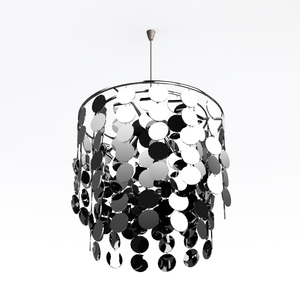
Modern Metal Disc Pendant Chandelier 3D Model

Minimalist Black Metal Round Recessed Ceiling Lamp 3D Model

Industrial Metal Cage 6 Light Pendant Chandelier 3D Model
Homestyler is your go-to online home design platform, perfect for turning your creative visions into reality. With its user-friendly design tool, stunning 3D renderings, a wealth of design projects, and engaging video tutorials, you’ll find everything you need to inspire and create your ideal space!
Design Now for FREE
































