


As we look ahead, residential living is continually adapting, focusing on tighter feedback loops while current occupants navigate noise, privacy, and circulation challenges. According to AIA reports, there's an escalating trend in multifamily design that emphasizes flexible communal areas, tracking the evolving dynamics of remote work and micro-commuting. Within this framework, envisioning a four-floor apartment plan becomes a crucial blueprint for daily rituals—integrated yet adjustable, meticulous yet compassionate. The future is converging upon us, and I find myself sketching anew, inspired by the capabilities offered by tools like Homestyler.
Level-One Social Core
Design Logic: The ground floor serves as the social bandwidth zone—entry, kitchen, and dining—ensuring that hospitable elements do not invade the private sanctuaries above.
Flow: The sequence begins with the door, moves through a vestibule, connects to a kitchen hub, traverses into a dining space, leads to the living area, and finally extends to the terrace; a streamlined guide for guests and grocery deliveries.
Sightlines: Low-height dividers create an expansive interface; from the front door to the window line, the cooking area serves as a central focus.
Storage: Bench-style banquets, pantry columns, and under-stair storage offer high-capacity, easily accessible storage solutions for daily needs.
Furniture Fit: With a sofa length of 72–84 inches, a circulation lane measuring 36 inches, and a dining table depth of 30 inches—these precise measurements accommodate movement as part of a larger traffic system.
Verdict: This level acts as the social hub, effectively managing spikes in activity while keeping the upper floors clear for focused endeavors.
save pin
Level-Two Hybrid Studio
Design Logic: Positioned one flight up, this hybrid work-sleep space separates productivity from distractions, while remaining adjacent to the social core.
Flow: The pathway extends from the stairwell to a landing, into a flexible studio bay, through a pocket door to the bathroom, and onto a micro balcony; it creates a controlled loop for in-depth work and efficient resets.
Sightlines: A diagonal view from the studio to the outside enhances natural light while soft partitions minimize distractions.
Storage: Built-in wall-to-wall furniture serves as an array of storage: vertical file systems, shallow gear drawers, and a fold-down bed for compactness.
Furniture Fit: A 60-inch desk, a task chair with 36-inch clearance, and an acoustic rug provide a buffer—every measurement corresponds to the cognitive needs of the occupant.
Verdict: This level transforms variable routines into a stable nucleus, primed for remote work sprints and periods of quiet recovery over the next five years.
save pin
Level-Three Private Suites
Design Logic: Bedrooms establish a tranquil sanctuary, shielded from external and social disturbances, with wellness as the primary function.
Flow: The layout includes a staircase, leading to a hall spine that connects to the primary suite, a shared bathroom, and a secondary bedroom; akin to a well-organized index.
Sightlines: Strategically controlled openings prioritize morning sunlight and privacy, using layered translucency as an interface for relaxation versus alertness.
Storage: Walk-in closets, linen towers, and under-bed compartments allow for seamless storage solutions, as everything is easily accessible yet unobtrusive, much like refined data architecture.
Furniture Fit: Featuring a queen bed measuring 60" x 80" with 24" nightstand spaces; doorways clear at 36"; dresser depths limited to 20" to maintain flow efficiency.
Verdict: Sleep and intimacy receive prioritized bandwidth, ensuring a calm atmosphere on the upper floors while life evolves below.
save pin
Level-Four Sky Room
Design Logic: The topmost level embraces adaptability—hosting a media lounge, a small studio for hobbies, or guest accommodations, all designed for future needs.
Flow: The route moves from the stairs to a landing, then into a flexible lounge and onto the roof terrace; it serves as a pivotal branch toggling between solitude and shared engagement.
Sightlines: An unobstructed panoramic view of the skyline, with low-sitting furniture, ensuring that the horizon remains visible while stabilizing the mood like a status bar.
Storage: Perimeter cabinetry and hidden mechanical closets store seasonal items; ample storage solutions allow for quick retrieval.
Furniture Fit: Modular seating positioned in 30-inch increments, a media shelf capping at 48 inches, and nesting tables facilitating space adjustments as necessary.
Verdict: This level prepares for future functionality—adapting for new work styles, family visits, or peaceful retreats—without necessitating major redesigns of the building.
save pin
Final Takeaway
A well-conceived four-floor apartment plan views verticality as a meticulous operating system, stacking social interaction, workspaces, rest, and opportunities for expansion without conflicting interests. Variants such as multi-level units and duplex designs reflect this same principle: each level performs a distinct function while syncing harmoniously through optimal flow and sightline strategies. In my perspective, the most intelligently designed homes of the future may not necessarily be larger, but rather more intentional, and I continue to envision that possibility with tools like Homestyler.

Full Size Mattress, 10 Inch Upgrade Strengthen
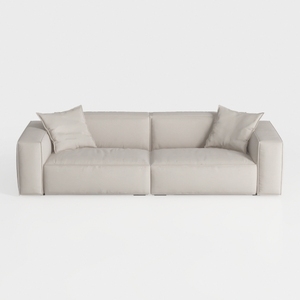
Minimalist Beige Fabric Modern Sofa with Throw Pillows 3D Model
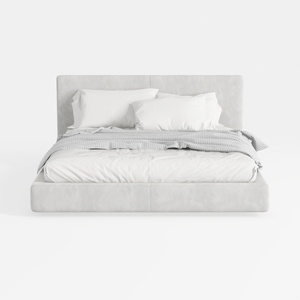
Minimalist Light Gray Fabric Upholstered Platform Bed 3D Model
If you're looking to transform your home effortlessly, Homestyler is the ideal platform for you. Enjoy access to its user-friendly online design tool, stunning 3D renderings, and a wealth of design projects and video tutorials. Unleash your creativity and bring your vision to life!
지금 무료로 디자인하세요
































