


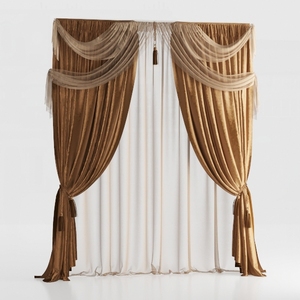
Using gold curtains can infuse your living room with warmth, depth, and sophistication while maintaining a chic aesthetic. I prefer them for their ability to anchor natural light, enhance subdued color schemes, and create a seamless visual flow between furniture pieces and finishes. When selected in the appropriate material, shade, and length, gold drapery not only frames architectural features but also refines acoustics and subtly influences the mood in positive ways. Incorporating tools like Homestyler can assist in visualizing these elements in your space.
The psychology of color backs this idea: warm shades like gold are linked with optimism and energy, making spaces feel cheerful and lively. Research by Gensler indicates that access to daylight significantly boosts performance and satisfaction in workspaces; this concept also translates into home comfort and perceived quality. In living areas, strategically using gold textiles alongside controlled daylight can reduce visual fatigue, ensuring a pleasant atmosphere that many people find uplifting.
From a lighting perspective, I adhere to IES recommendations for managing vertical and horizontal illumination, targeting ambient levels of 150 to 300 lux in living rooms, with increased task lighting of 300 to 500 lux in reading spaces. When gold curtains filter incoming daylight, the fabric can increase ambient brightness gently, avoiding harsh glare. Materials with a matte finish and low sheen diminish specular reflections, while lined drapery can better manage light for media zones, aligning with WELL v2’s focus on visual comfort.
Choosing the Perfect Gold: Tone, Texture, and Finish
Not every shade of gold is equal. I classify tones from muted flax-gold to warm brass and rich antique gold. For cooler interiors featuring gray and slate, a slightly warmer honeyed gold can add balance; conversely, warmer spaces with oak and beige benefit from refined champagne hues. The texture is also important: velvet offers drama while dampening sound; linen combines casual sophistication with crisp daylight diffusion; jacquard provides patterned effects without overcrowding the room. Matte or brushed finishes tend to feel more contemporary and pair seamlessly with satin brass hardware.
Length, Fullness, and Proportion
Proportion dictates visual harmony. I recommend setting curtain lengths to just touch the floor or break slightly (1-2 cm) for a polished appearance. For more formal settings, puddling can be effective, but it should be kept minimal for practicality. Fullness should range from 2 to 2.5 times the width of the window for pleated styles, while lighter sheers can extend to 3 times that measurement for a soft, cloud-like effect. Hanging curtains high—10 to 20 cm above the window frame or near the ceiling—creates the illusion of greater height and draws the eye upward, particularly in spaces with standard ceiling heights.
Layering for Light and Privacy
I prefer layering sheer fabrics behind heavier gold panels to control privacy and brightness throughout the day. This strategy allows for natural light during mornings while also managing insulation and glare levels in the afternoon. For media-focused living areas, blackout liners can prevent reflections on screens, while thermal linings enhance energy efficiency. Hooking tie-backs or using motorized tracks allows for fast transitions between lighting scenes, contributing to a tranquil ambiance with diminished luminance disparity in the evenings.
Integrating Gold Curtains with Color Schemes
Gold harmonizes beautifully with neutral shades such as greige, bone, and soft taupe, adding structure to monochrome designs. For dramatic combinations, deep indigo, forest green, or charcoal pairs well with gold to create appealing contrasts; these choices help maintain visual balance while leveraging gold’s inherent warmth. In minimalist spaces, a subtle champagne-gold blends perfectly with black details and light woods, while a patterned gold jacquard can reflect designs found in rugs or cushions, enhancing the overall aesthetic without overwhelming.
Hardware, Heading Styles, and Design Details
Selecting hardware that complements the curtain’s color is essential; satin or antique brass rods beautifully enhance gold without overpowering it. For a modern feel, concealed tracks or ceiling-mounted motorized systems maintain a clean visual space. I vary heading styles according to context: pinch pleats for traditional elegance, ripplefold for streamlined modernity, and grommets for relaxed spaces. Incorporating banding, contrasting edges, or micro-flange accents sharpens profiles and elevates perceived quality.
Acoustic Comfort and Fabric Choices
Heavy materials like cotton velvet and wool blends contribute to acoustic comfort by absorbing mid to high-frequency sounds. In rooms with hard surface finishes—like wooden flooring or plaster walls—adding gold drapery can reduce reverberation, making conversations clearer. Eco-friendly alternatives are available, such as OEKO-TEX certified fabrics and recycled polyester blends, ensuring durability and vibrant color retention while supporting sustainable practices.
Managing Light: Daylight, Glare, and Evening Atmospheres
Light management is crucial. I organize layers so that living areas achieve gentle vertical lighting, steering clear of contrasts that cause eye strain. Sheers with a 30-40% openness effectively diffuse light, while lined gold curtains catch late-afternoon sun without excessive glare. At nighttime, combining warm-white lighting (2700-3000K) with gold curtains maintains color accuracy and supports natural skin tones, producing a cozy and welcoming environment.
Styling with Furniture and Finishes
To prevent visual clutter, I recommend integrating gold in one or two additional components in the room—such as lamp bases, picture frames, or table legs—rather than using multiple metallic finishes. The species of wood can influence the warmth: walnut pairs best with antique gold, while white oak complements champagne gold, and smoked oak nicely matches muted brass tones. A textured neutral rug can ground the vibrant gold curtains, ensuring that the window area doesn’t dominate visually.
Layout Strategies and Window Placement
The orientation of windows plays a significant role in fabric choice. For south-facing rooms, heavier linings can help dampen summer glare; meanwhile, north-facing areas can benefit from lighter, reflective weaves that enhance ambient light. When arranging seating, it's best to position reflective surfaces away from screens and maintain clear pathways near windows to facilitate curtain operation. If you are curious about how the placement of curtains interacts with furniture, utilizing a room layout tool—such as Homestyler—can clarify sightlines and spacing.
Care, Maintenance, and Longevity
Gold fabrics maintain their elegance when properly cared for. Regular vacuuming with a soft brush can help remove dust, while prompt spot cleaning is necessary. It's essential to adhere to the manufacturer's cleaning instructions for dry cleaning or gentle washing. Prolonged UV exposure can diminish fabric color; therefore, using UV-filter window films or rotating panels seasonally can alleviate wear. Lined curtains are also beneficial for maintaining shape and protecting the main fabric.
Budget-Friendly Alternatives
If full-length gold drapes are outside your budget, you can still introduce the color through options like roman shades, banded edges, or a single accent panel. Swapping hardware for satin brass and integrating a gold-trimmed throw can create a cohesive theme at a reduced price point. A controlled color palette typically conveys a more luxurious feel compared to a scattered assortment.
Maximizing Style in Smaller Living Rooms
In smaller spaces, opting for slimmer rods, ripplefold headings, and lighter shades of gold can keep the atmosphere feeling airy. Mounting panels outside the window frame can create an illusion of larger windows, ensuring that curtain stacks do not obstruct daylight. Patterns should be kept minimal, with perhaps one metallic accent to enhance cohesiveness without clutter.
Frequently Asked Questions
Q1: Which gold shade is best suited for a gray living room?
A warm honey or champagne gold can provide a perfect balance against the cool elements of gray, preventing a flat feeling. It’s best to stay away from overly yellow tones, favoring muted, matte finishes instead.
Q2: How can I avoid glare from gold curtains in a sunlit room?
Select lined panels made from matte fabrics and layer them with sheer materials to diffuse bright sunlight. Following IES guidelines for maintaining comfortable luminance ratios, adjustable shades can be added for peak sunlight periods.
Q3: What heading styles work well in modern interiors?
Ripplefold headings provide clean, consistent waves and pair effectively with concealed tracks or ceiling mounts, preserving an unobtrusive design.
Q4: Will gold curtains clash with brass lighting fixtures?
Typically, they complement brass beautifully. Ensure the sheens match—satin with satin—and limit metallic accents to two or three points for a cohesive look.
Q5: What is the ideal curtain length?
For a polished appearance, let panels touch the floor or break slightly (1-2 cm). Use puddling sparingly for formal settings and areas where upkeep is less frequent.
Q6: Can gold curtains enhance acoustic properties?
Indeed, dense materials like velvet or wool blends can absorb sound and reduce echo, particularly beneficial in areas with hard finishes.
Q7: Which color schemes work best with gold?
Neutrals such as taupe, bone, and greige, alongside deep tones like indigo, forest green, and charcoal, create appealing combinations. Aim to balance saturation so that gold serves as a warm anchor rather than a striking highlight.
Q8: Are gold curtains suitable for compact living spaces?
Yes! Opt for lighter shades, slimmer hardware, and high, wide mounting to enhance the perception of height and space. Patterns should be subtle to prevent clutter.
Q9: How can I ensure fabric colors last over time?
Using lined curtains, minimizing direct UV exposure with film, vacuuming regularly, and following care instructions are key. If one side receives more sunlight, consider rotating the panels.
Q10: What type of lighting goes well with gold curtains at night?
Warm-white illumination (2700-3000K) accentuates gold's warmth and showcases skin tones authentically, promoting a cozy and inviting environment.

Homestyler is your go-to online home design platform, perfect for both novices and design pros. With its user-friendly design tool, stunning 3D renderings, and a wealth of DIY video tutorials, you can easily create and visualize your dream spaces with confidence!
Design Now for FREE
































