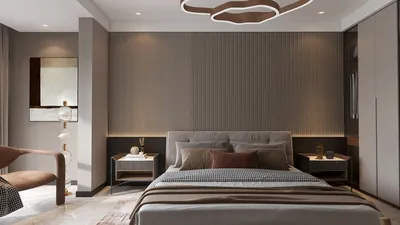


Adding decorative ceiling beams can serve as a subtle anchor in a living room, creating distinct zones, enhancing the form of lofty ceilings, and instilling warmth and rhythm into the space. Achieving a harmonious balance between structural integrity and softness is key: beams should uphold the room's proportions, direct sightlines, and interact meaningfully with light, offering a feeling of intentional design. Utilizing tools like Homestyler can aid in visualizing these elements effectively.
The practical functionality of a room is just as crucial as its visual appeal. In living spaces where people congregate, the levels of lighting and color rendering play a vital role in comfort and ambiance. I aim for a layered ambient lighting setup of about 20–50 footcandles, complemented by beams integrated with accents; this aligns with the recommended practices from the IES for residential environments. The choice of colors also significantly influences perception: warm wood tones or soft hues combined with neutral beams can alleviate stress and enhance approachability, a concept well-supported by color psychology as highlighted by research from Verywell Mind.
Key factors such as ceiling height, seating ergonomics, and sound absorption are fundamental considerations. Typically, seat heights range from 16 to 18 inches, and I ensure at least 84 inches of clearance beneath any lowered beam features to maintain comfort and flow—an ergonomic standard backed by common residential practices. For living rooms that also serve as remote workspaces, providing natural light and visual comfort aligns with WELL v2 guidance on glare management and circadian rhythm support, which informs my decisions on placing beam-integrated lighting and matte finishes to minimize reflections.
Design Principles for Beam Composition
I initiate with spatial ratios: a traditional method is to let the spacing of beams reflect the width of the room. For instance, in a 16-foot-wide area, employing three to five beams may yield a harmonious rhythm—roughly 32–48 inches apart—without overwhelming the ceiling space. In elongated rooms, I occasionally rotate the beam direction perpendicular to the longest side to give the illusion of a shortened space, then use a subtle coffer or a pair of linear beams to frame the seating area.
The finish of the beams plays a vital role in glare reduction. Opting for satin or matte finishes on beams helps prevent shiny reflections from downlights. If the living room includes a television, I ensure that beam surfaces have a low sheen and avoid high-contrast strip lighting that could reflect onto screens.
Idea 1: Slim Linear Oak Beams with Integrated Grazing
For modern interiors, I prefer slim oak beams (2–3 inches thick) spanning a white plaster ceiling. By integrating concealed LED grazers along one side, I can enhance the ceiling with light while emphasizing texture. A color temperature set between 2700–3000K retains residential warmth, ensuring a CRI of 90+ for accurate rendering of wood tones.
Layout advice: utilizing a digital design tool to plan out beam spacing can help visualize shadow dynamics both day and night. A quick examination via a room layout application can help evaluate sightlines from the main seating and assess potential glare on the television.
Idea 2: Painted Beams that Merge with the Ceiling
In cases where ceilings are lower (8–8.5 feet), I apply paint to the beams matching the ceiling color to maintain visual openness. This keeps a rhythmic flow without adding visual weight. I favor wall washers over ceiling fixtures to elevate light vertically and avoid harsh scallops on the beams.
Idea 3: Contrasting Dark Beams for Visual Depth
In spacious living areas or those with vaulted ceilings, charcoal or espresso beams can establish grounding in the large expanse. I balance the deep tones with warm flooring and textured fabrics to prevent a stark feel. When beam depth exceeds 6 inches, I often incorporate linear light channels into the sides, softly illuminating the ceiling surface without hotspots.
Idea 4: Shallow Coffered Grid with Acoustic Treatment
A shallow coffer (2–4 inches deep) can mitigate echoes in rooms with hard surfaces. I line the coffer wells with micro-perforated wood or acoustically transparent fabric with mineral wool above, delivering high-frequency sound absorption while maintaining a classic aesthetic. I position small, warm-dim downlights at the corners of the coffer to create a gentle gradient.
Idea 5: Asymmetrical Beam Arrangement for Seating Delineation
Rather than adhering to a strict grid, I occasionally cluster beams above the main conversation area while spacing them more liberally elsewhere. This gently defines the living area without a physical barrier. The asymmetry offers a curated look that directs circulation towards doorways, aiding guests in navigating the space intuitively.
Idea 6: Beam and Batten Combination for Cottage Feel
To introduce texture without adding bulk, I pair slim battens between deeper beams. This pattern invites visual interest up close while appearing as a soft rhythm from a distance. Opting for limewash or soft gray paint allows for natural light diffusion.
Idea 7: Sculpted Plaster Beams with Gentle Curves
For homes featuring curves or Art Deco details, soft-edge plaster beams can create a cohesive, calming ceiling. I prefer indirect lighting—built into coves at the edges of the beams—to preserve the sculptural quality without exposing visible hardware.
Idea 8: Rustic Reclaimed Wood Beams with Contemporary Lighting
Reclaimed beams add historical charm and character to a space. I wire-brush them and apply low-VOC matte finishes. Combining these with minimalist track lighting or micro-recessed spots running perpendicular to the beams ensures a contemporary contrast, keeping the design feeling dynamic rather than themed.
Idea 9: Floating Beam Frames with Shadow Gaps
Incorporate 1-inch shadow gaps along the edges of the beams to create a floating appearance. This subtle detail lightens the visual weight and accommodates small ceiling irregularities. Adding narrow linear LEDs within the reveal can produce a gentle halo effect, perfect for evening ambiance.
Idea 10: Architectural Black Lines with Wood Accents
Combine slender blackened metal channels with wood inlays to draw attention along sightlines towards a fireplace or artwork. The metal creates a crisp outline from a distance, while the wood adds softness up close. Aligning the joint lines with door headers and window frames ensures architectural consistency.
Proportions, Heights, and Clearances
In spaces featuring 9-foot ceilings, I typically limit beam depth to around 3–4 inches, ensuring they drop no more than 2 inches from the existing ceiling plane. It's crucial to maintain at least 7 feet of head clearance in pathways. For vaulted ceilings, I align beam angles with the roof pitch and intermittently adjust the pattern above circulation areas to avoid a tunnel effect.
Integrating Lighting Without Glare
I layer ambient, task, and accent lighting around the beams for comprehensive illumination. Ambient lighting is achieved through concealed coves or indirect grazers; task lamps are positioned at reading locations to minimize glare from overhead sources; and tight-beam spots highlight art walls effectively. For art lighting, using beam angles of 30–35 degrees minimizes spill on the beams while maintaining a warm-dim temperature of 2700–3000K for evening comfort, adhering to IES standards for residential comfort.
Color and Material Strategies
The choice of wood species significantly impacts mood: white oak creates an airy tranquility, walnut adds richness, and ash offers a sleek, modern grain. If painting, opting for off-whites with subtle warmth helps maintain a soft ceiling look; cooler whites can appear chalky under warm lighting. Research on human responses to color suggests that warm beam tones can transform a spacious living room into a more intimate setting, a theme well-covered in color psychology. To ensure sustainability, I recommend specifying FSC-certified woods and low-VOC finishes for better indoor air quality.
Managing Acoustics in Hard-Surfaced Living Rooms
The combination of high ceilings and hard floors increases reverberation. I frequently integrate beam designs with area rugs, upholstered furnishings, and acoustic art pieces. In coffered settings, placing a thin absorbent layer above perforated panels enhances sound clarity during conversations and viewing experiences.
Coordination with HVAC and Fire Safety Design
Before finalizing a beam layout, it’s critical to confirm duct path locations, sprinkler head arrangements, and smoke detector placements. I ensure that sprinkler escutcheons fit neatly within coffer centers or between beams, presenting a cohesive look rather than a haphazard one. Linear diffusers should run parallel to the beam alignments for a streamlined appearance.
Turning Concepts into Real Installations
I start the design process with scaled drawings followed by physical or digital mockups to confirm spacing and lighting placements. A quick review in an interior layout planner helps verify how beams relate to furniture, televisions, and sources of natural light. On-site, I mark out beam positions using laser levels; precise measurement is crucial, especially since minor shifts become evident with grazing light.
Ensuring Durability and Ease of Maintenance
Select finishes that are resistant to wear and easy to clean. For wood beams, a matte hardwax oil is simple to refresh. For painted beams, choose washable eggshell or scrubbable matte paints. Ensure access points are available for integrated drivers or junction boxes to facilitate future maintenance.
Emerging Trends (2024–2025)
Three primary trends are emerging in living room designs: slim profiles with indirect lighting; warm, textured woods featuring low-sheen finishes; and mixed-material linear accents blending metals and timbers. Homeowners increasingly seek peaceful, glare-free environments for relaxed evenings and versatile settings for social gatherings or streaming—qualities that beam-integrated lighting can effectively provide.
Frequently Asked Questions
For widths of 14–18 feet, maintaining 32–48 inches between beams typically achieves a pleasing balance of rhythm and openness. Adjustments may be made to align with windows or fireplaces to enhance sightlines.
Employing indirect lighting methods such as coves or wall washers, selecting matte finishes for beams, and setting art accent lights at 30–35 degree angles aid in minimizing issues with light spill on beam surfaces.
Absolutely—utilizing shallow or faux beams painted to match the ceiling color helps maintain vertical space while keeping the depth at 1–2 inches and concentrating light vertically to visually elevate the ceiling.
White oak complements various palettes, walnut enriches warmth and depth, while ash offers a contemporary, sleek grain. It is advisable to opt for FSC-certified materials whenever feasible.
Beams can disrupt reflections, but they don’t absorb sound. To improve acoustics, pair beams with area rugs, upholstered furniture, and potentially with perforated panels in coffered areas for enhanced sound dampening.
Positioning beams across the longest dimension can create a visual shortening effect; running them along the long dimension emphasizes length. The decision usually depends on whether a grounding or an elongated effect is desired.
Yes—early coordination is essential. Aligning linear diffusers parallel to beams and positioning sprinkler heads within coffers or between beams creates a unified look.
A color temperature range of 2700–3000K ensures warmth and friendliness while maintaining skin tone accuracy. A CRI of 90+ guarantees effective representation of wood hues and art pieces.
High-quality veneer-wrapped hollow beams are lightweight, dimensionally stable, and can conceal wiring effectively—ideal for instances where structural changes are impractical.
Creating a scaled model or utilizing a room design visualization tool allows for testing spacing, sightlines, and lighting dynamics. Validating initial designs with painter’s tape on the ceiling prior to installation is also effective.
Homestyler is your go-to online home design platform! With its user-friendly design tool, stunning 3D renderings, and a wealth of DIY video tutorials, you can effortlessly create and visualize your dream space. Unleash your creativity and transform your home today!
Design Now for FREE
































