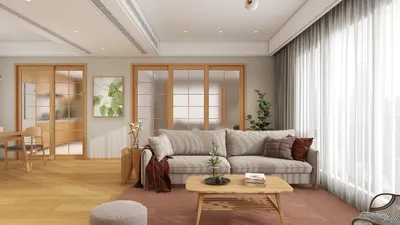


I once installed a chandelier incorrectly by confusing the mounting instructions—this led to laughter from the client and an important lesson learned. We both agreed that effective lighting should prioritize simplicity and reduce unexpected surprises. This experience highlighted how critical dining room ceiling lights are in shaping the overall ambiance. Surprisingly, I discovered that innovative lighting often emerges through fun experimentation rather than by using costly fixtures. Especially in smaller rooms, the right overhead lighting plan can transform them into exquisite showcases.
1. Layered Recessed Lighting with Dimmer
Using layered recessed lighting creates a structured ceiling profile while allowing control over the overall brightness without distracting from the centerpiece of the dining table. I typically combine 4 to 6 recessed can lights on a dimmer switch with a softer pendant positioned above the table. This combination ensures even ambient illumination and flexibility for various settings, from family meals to more intimate dinners. The key challenge is to wisely plan the circuit zones and select trims that seamlessly integrate with your ceiling design.
save pin
2. Linear Pendant Over Long Tables
For elongated dining tables, a linear pendant creates a unified visual alignment. In a townhouse renovation, I installed a linear fixture measuring between 48 to 72 inches, which balanced the table beautifully while minimizing glare. This approach is ideal for modern and industrial aesthetics, but it's crucial to measure accurately—a fixture hanging too low obstructs sightlines, while one too high diminishes intimacy.
save pin
3. Clustered Mini Pendants for Visual Interest
Arranging several mini pendants at varied heights injects dynamic energy and is particularly effective in open-plan layouts. In one instance, I fixed a trio of glass pendants above a round table, which left guests enchanted, referring to them as 'floating gems.' The playful nature of these fixtures allows for customization, though mounting multiple lights means additional wiring and coordination with the ceiling joists.
save pin
4. Decorative Chandelier as Focal Point
A striking chandelier can transform the ceiling into an eye-catching art piece that defines the dining area. I’ve implemented mid-century and sculptural chandeliers to instantly infuse character into the space. The advantage of such fixtures is the undeniable drama they add, but care must be taken; oversized or overly intricate chandeliers can overpower a smaller room if not scaled appropriately.
save pin
5. Cove Lighting to Highlight Architectural Details
Cove lighting casts a gentle, indirect glow across the ceiling, instantly enhancing the atmosphere of the room without introducing visual clutter. For clients seeking subtle luxury, I often recommend using LED strips hidden within a dropped soffit. While this does involve some carpentry and forethought, the end result offers an elegant, hotel-like ambiance that is well worth the effort.
If you're looking to experiment with these lighting arrangements in 3D, I sometimes utilize a room planner to visualize how different ceiling lights influence shadows and proportion—this tool can prevent unnecessary complications on installation day. You could even explore the capabilities of Homestyler for more detailed planning.
save pin
FAQ
Q1: What height should a pendant be above a dining table?
A1: Aim to install pendants at a height ranging from 28 to 34 inches above the tabletop in standard ceiling rooms; for higher ceilings, you might consider scaling up slightly to maintain visual harmony.
Q2: How many recessed lights do I need in a dining room?
A2: As a guideline, space recessed lights approximately 4 to 6 feet apart based on the lumen output you desire; always ensure to layer lighting with a central fixture to avoid an unappealing cafeteria look.
Q3: Should dining room lighting be warm or cool?
A3: Warm lighting (2700 to 3000K) is most suitable for dining areas as it enhances skin tones and fosters a cozy environment.
Q4: Can I mix chandeliers and recessed lights?
A4: Absolutely—integrating ambient recessed lighting with a striking chandelier provides versatility and depth, particularly when both are controlled by separate dimmer circuits.
Q5: What’s the best way to avoid glare from pendant lights?
A5: Consider using diffusers or frosted glass, and adjust the position of the pendants slightly higher while ensuring the bottom edge still illuminates the table; shades that provide both downward and upward light distribution can help as well.
Q6: Are LED strips good for cove lighting?
A6: Definitely—high-CRI LEDs that maintain a consistent color temperature create seamless illumination; opting for quality drivers ensures you avoid issues like flickering.
Q7: How do I choose the right size chandelier for my dining room?
A7: To find the appropriate diameter for your chandelier, add the room’s length and width in feet and use that total (in inches) as your guideline. For instance, a room measuring 12x14 feet suggests a fixture around 26 inches in diameter.
Q8: Where can I visualize ceiling light layouts in 3D?
A8: You can utilize online 3D room planners, like Homestyler, to draft layouts for fixtures and assess sightlines; for technical insights regarding lighting standards, refer to the Illuminating Engineering Society (IES) guidelines (https://www.ies.org).
save pin

Rustic Solid Wood Live Edge Side Table 3D Model

Minimalist Solid Oak Dining Table With Cylindrical Legs 3D Model

Homestyler is the ultimate online home design platform for anyone looking to revamp their space. With its easy-to-use design tool, stunning 3D renderings, diverse design projects, and helpful video tutorials, you’ll turn your creative visions into reality effortlessly. Explore and design your dream home today!
Concevez maintenant gratuitement
































