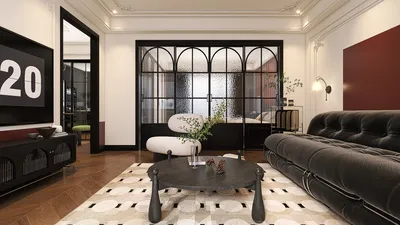


I once attempted to persuade a client that painting the walls of their compact living area in a deep jet black would elevate its sophistication—but the reaction was quite the opposite. That experience taught me a valuable lesson: pairing gray with cream generally enhances more living rooms than even the most fashionable backsplash. Particularly in smaller spaces, muted color schemes have a calming effect; gray offers depth while cream injects warmth, resulting in a space that feels both contemporary and cozy.
1. Textured Layers for Added Depth
My go-to approach is frequently to combine mid-tone gray walls with cream linen sofas and a variety of textured throws and rugs. The neutral gray backdrop creates balance, while the cream furniture brightens the space, ensuring it never appears lifeless. The benefit? It conveys elegance without being frigid. The only catch is that too many patterns can create a cluttered look—so I generally limit myself to three key textures.
save pin
2. Warm Wood Accents for Contrast
During a recent remodeling project, I replaced chrome legs on furniture with oak coffee table legs, and instantly the gray and cream palette transformed from cold to inviting. Wooden elements create balance and focal points within the room. The benefit: they're easy to find and budget-friendly; however, it's important to be aware of wood hues to avoid misalignment with the cream tones.
save pin
3. Effective Lighting Layers
Gray interacts with lighting in unique ways, which is why I always consider ambient, task, and accent lighting when designing a space with a gray-cream theme. A cream sofa illuminated by soft, warm LEDs feels welcoming, while an adjustable floor lamp serves perfectly in reading areas. The advantage lies in flexible lighting that enhances functionality in compact spaces; the minor downside is that adding more fixtures may increase costs, but LEDs ultimately save on energy bills over time.
save pin
4. Striking Accent Colors
I prefer introducing a single accent color—like deep teal or muted mustard—through cushions or a small armchair to enliven the space. With gray and cream serving as a base, the chosen accent brings personality into the room. This approach is low-risk yet high-reward, although too many accents can disrupt the overall tranquil vibe.
save pin
5. Optimizing Layouts for Compact Areas
In smaller living areas, I focus on maintaining clear pathways and incorporating multifunctional furniture: for example, a cream loveseat with built-in storage or a slender gray console that also functions as a desk. These choices preserve the calm palette while maximizing utility. While it may mean sacrificing some decorative elements, it ensures the space remains open and airy.
save pin
Tips 1:
Looking to sketch out layouts before making purchases? I often suggest utilizing a room planner, which can help you test measurements and sightlines—saving you time and preventing costly mistakes. For quick floor plans, Homestyler offers an excellent free tool that enables you to visualize furniture in their true scale.
save pin
FAQ
Q1: What gray shades complement cream best? A1: Mid to warm grays are ideal; avoid cool bluish tones as they may appear stark against warm creams. Always test large swatches alongside your cream decor under different lighting conditions.
Q2: Is a cream sofa prone to staining? A2: Indeed, cream fabrics tend to show stains more easily, so it's wise to choose durable, washable materials or performance blends suitable for homes with families.
Q3: How do I select an appropriate rug? A3: Opt for a rug that's slightly darker or features a pattern to anchor cream seating; natural fibers not only add texture but also help conceal wear and tear.
Q4: Can I incorporate metal finishes into a gray-cream space? A4: Absolutely—brushed brass or matte black fixtures work well with this palette; just strive to maintain a consistent metal family for visual harmony.
Q5: Which color—gray or cream—is preferable for small spaces? A5: Cream generally gives the illusion of expanse, while gray provides depth; using both strikes a balance between spaciousness and intimacy.
Q6: What is the best way to test paint colors at home? A6: Apply 2 to 3 large swatches and observe their appearance throughout the day, as lighting can significantly shift how colors are perceived (using a 3D floor planner can help you envision the final look).
Q7: Where can I find inspiration for small living room layouts? A7: Explore digital planners and room layout examples; tools like Homestyler allow you to experiment with various configurations before making any decisions.
Q8: Are there expert resources for understanding color in interior design? A8: Definitely — the Pantone Color Institute and design entities like the British Council for Offices provide valuable research on color theory and its psychological effects.
save pin
Looking to transform your space? Homestyler offers an intuitive online design tool that makes home design a breeze. Enjoy stunning 3D renderings, a wealth of design projects, and helpful DIY video tutorials. Perfect for both beginners and pros, it’s your go-to for creative home inspiration!
立即免费设计
































