

When designing guest rooms, I abide by a straightforward principle: the ideal chair should encourage guests to lounge while maintaining the room's balance. Just as the bed provides comfort, seating plays a vital role in creating a welcoming atmosphere, particularly when visitors need a spot to read, work, or place their belongings. The key lies in selecting the right shape, ergonomic features, and materials, which distinguish a chair that guests occasionally use from one they truly cherish. Incorporating tools like Homestyler can help visualize the ideal placement and style for your spaces.
Comfort is an empirically measurable quality, not merely a matter of personal preference. According to WELL v2 guidelines, ergonomic support and varied postures are essential in reducing physical strain during extended stays, highlighting that seating must promote natural spine alignment and encourage movement breaks. Research by Steelcase shows that varied postures and supportive seating increase perceived comfort and mitigate fatigue in environments where guests engage in tasks like reading or managing emails. By integrating these principles from the outset, your chair selection becomes not just aesthetically pleasing, but also revitalizing in function. For further insights into how seating and posture impact comfort, consult sources like Steelcase's workplace studies and WELL v2 ergonomic guidelines.
The proportion of furniture is also crucial. Considerations such as foot traffic pathways around the bed, the swing of doors, and accessibility to windows determine the ideal size for the space. In typical queen-bed guest rooms (which measure between 10' x 12' to 12' x 14'), a compact lounge chair typically ranges from 28 to 32 inches in width without overwhelming the room. I recommend ensuring at least 30 to 36 inches of clear space around the bed and maintaining 12 to 18 inches between the chair and side table for effortless access. When experimenting with different chair placements or analyzing bed-wall configurations, utilizing a room layout tool like Homestyler can aid in visualizing circulation and scale prior to making any purchases.
Essential Types of Chairs for Guest Rooms
Guests have varied preferences for seating, so I often blend different types based on the dimensions of the room and the likely duration of their stay.
Ideal for standard-sized rooms where a larger accent chair could dominate the aesthetics. Look for a tight-back design with a medium seat depth (19–21 inches), supportive foam, and armrests for added relaxation. A swivel base can enhance functionality, allowing the chair to rotate easily between reading lamps and the television without having to drag it across the floor.
Armless designs are visually lighter and can easily fit beside a dresser. Their lower profile keeps sight lines clear in more compact spaces. Opt for a firmer seat to make it suitable for occasions when guests need to put on shoes.
A chair with flanking wings offers an enveloping feeling for reading activities. In rooms with echo problems, the upholstered design helps absorb sound, enhancing the overall acoustic comfort. Keep its width under 32 inches to maintain balance beside a queen bed.
If a small writing desk is included, choose a cushioned desk chair that features a backrest recline (5–8 degrees) and lumbar support for short working sessions. Prioritize breathable materials and a soft front edge to prevent pressure points on the thighs.
A slender upholstered bench at the foot of the bed provides space for luggage, complemented by an occasional chair near a window. This combination satisfies dual functions without creating clutter, ensuring smooth circulation and preventing the addition of multiple cumbersome pieces.
Comfort, Ergonomics, and Illumination
To maximize usability, guest chairs should work in conjunction with layered lighting and ergonomic features. The Illuminating Engineering Society recommends aiming for approximately 300 to 500 lux for reading tasks; position a shaded lamp or adjustable sconce to deliver targeted illumination to the page while avoiding glare. I personally prefer a color temperature range of 2700 to 3000K for a soothing, homely atmosphere, using 3000 to 3500K for chairs that also serve as workspaces. A matte finish interior can help soften contrasts and minimize eye strain. If the guest room could also serve as a nursery or meditation area, consider integrating dimmable controls for mood versatility.
Simple ergonomic guidelines suggest a seat height between 16 and 18 inches, suitable for most guests, alongside a seat depth of 19 to 21 inches for relaxed lounging. Arm heights around 24 to 26 inches can easily slide beneath many side tables, fostering a laid-back forearm position. A small lumbar pillow can fine-tune support without compromising posture.
Material Choice and Care
Guest seating must endure potential wear from luggage, cups of coffee, and the occasional makeup stain. I recommend selecting performance upholstery capable of withstanding at least 30,000 double rubs for durability, employing stain-resistant coatings, and ensuring removable cushion covers where applicable. Natural fibers such as wool blends resist wrinkling and provide excellent breathability, while high-quality synthetics offer ease of cleaning and resistance to fading. If allergies are a concern, low-pile woven fabrics are preferable as they trap less dust than plush options.
For chair frames, kiln-dried hardwood with corner blocking enhances lifespan. If the room gets significant afternoon sunlight, consider UV-protective window treatments to mitigate fading and reduce heat exposure near the reading chair.
Understanding Color Psychology and Mood
Colors can influence how long guests choose to remain seated. Soothing blue-green hues cultivate a tranquil ambiance conducive to longer stays, while warm neutral shades (like taupe, sand, and mushroom) help ground the space. Thoughtful accents—like rust, terracotta, or understated plum—infuse warmth without overwhelming the room visually. For spaces welcoming business travelers, a cooler palette combined with a textured throw can create a restorative atmosphere; conversely, warmer tones appear more inviting in photographs and under the gentle glow of evening lamps.
Acoustic Considerations and Comfort
Upholstered chairs, along with drapes and thick rugs, can significantly reduce sound reverberation, enhancing the comfort of phone calls or late-night reading. Positioning chairs away from shared walls or HVAC ducts can help minimize noise and vibration disturbances. When including a small side table, opt for soft coasters or felt underlays to prevent clattering.
Proportion, Flow, and Strategic Placement
The placement of furniture is just as important as the choice of the chair itself. Adopting a triangular configuration between the chair, light source, and side table ensures guests can reach comfortably. Maintaining a clearance of 30 to 36 inches around the bed edges promotes safe nighttime movement while allowing room for door swings and closet entry. If space is limited, consider floating the chair partially beneath a wall-mounted sconce to save on floor area. When devising alternative layouts for holiday gatherings or extended stays, use an interior layout planner to test sightlines and clearances before rearranging heavier items, such as incorporating Homestyler.
Guest Profiles and Their Preferences
Consider the profiles of your guests. Grandparents might benefit from chairs with arms to assist in standing; teenagers may prefer swivel or lounge-style seating for gaming; business travelers often seek firmer cushions and a space for laptops. In homes with mixed usage, leaving a lightweight occasional chair that can transition to the dining area can be very practical; using felt glides protects the floor from scratches.
Design Trends for 2024–2025
Curved shapes, textured wovens, and compact swivel chairs remain popular, but I strive to balance aesthetic appeal with practicality. Slipcovers in textured cotton-linen blends pair elegantly with seasonal updates. Soft black metal or natural oak legs provide a timeless contrast against lighter fabrics, while a well-placed patterned lumbar pillow can tie a chair distinctively to existing bedding without necessitating a complete fabric overhaul.
Lighting Strategies to Enhance Chairs
It's vital to align chairs with purposeful lighting: a swing-arm sconce positioned 28 to 32 inches above the seat cushion provides focused illumination; a floor lamp with a double-shaded diffuser minimizes glare. Warm-dim bulbs help facilitate a smooth transition from reading light to relaxation. To ensure guest comfort across varying time zones, consider dimmable controls coupled with low-level night lighting to maintain circadian balance without overwhelming the room.
Approaches for Small Spaces
In compact rooms, selecting armless or open-base chairs helps expose more floor area. Pairing with a narrow C-table that slides under the chair accommodates a cup or e-reader. Mirrors placed opposite the chair create an illusion of depth, while wall-mounted shelves can replace bulky side tables. Utilize fabrics that are tonal to the wall color to create a seamless look, reserving patterns for pillows or throws.
Checklist: Final Considerations Before Ordering
Recommended Chair Combinations for Different Room Sizes
Slipper chair + C-table + wall sconce. Maintain light-toned upholstery and slim legs.
Compact lounge chair with arms + round side table + floor lamp. Add a lumbar pillow for personalized support.
Small wingback or compact swivel + ottoman + layered lighting. If space allows, consider adding a second chair.
Informative References for Enhanced Seating
For data-driven comfort and behavioral insights, I frequently reference WELL v2 for seating support and posture recommendations, in addition to Steelcase's research on posture variability and comfort in task-related areas. These resources are invaluable in calibrating ergonomics and lighting requirements while preserving the room's welcoming ambiance.
Frequently Asked Questions
Q1: Which seat dimensions are typically most accommodating for guests?
A: A seat height between 16 and 18 inches along with a depth of 19 to 21 inches comfortably suits a variety of body types, complemented by a medium-firm cushion for reading or short work tasks.
Q2: What is the ideal brightness for reading lights?
A: Aim for 300 to 500 lux at the reading area, positioning the light to the side and slightly behind the shoulder to minimize glare. A warm tone around 2700 to 3000K feels cozy for evening use.
Q3: Is a swivel chair suitable for use in a guest room?
A: Absolutely, a compact swivel design allows guests to easily face a window or television without having to drag the chair. Choose a weighted base and felt glides to safeguard the floor.
Q4: Which fabrics withstand the rigors of guest use best?
A: Performance woven fabrics featuring stain-resistant treatments and a resilience of at least 30,000 double rubs are ideal. Wool blends offer great breathability, while quality synthetic materials resist staining and fading.
Q5: How can one prevent a small room from appearing crowded?
A: Opt for armless or open-base chairs, swap out a bulky floor lamp for a wall-mounted fixture, and include a narrow C-table. Ensure upholstery colors are harmonized with the wall to create a less cluttered look while keeping patterns confined to decorative pillows or throws.
Q6: Can a single chair serve both reading and desk functions?
A: Yes, a supportive lounge chair with modest arms can do both. Pair it with an adjustable lamp and a sturdy side table; adding a lumbar pillow ensures comfort during brief work sessions.
Q7: What is the recommended distance between a chair and side table?
A: It’s advisable to maintain a distance of 12 to 18 inches between the chair’s front edge and the table’s rim, allowing guests to comfortably place items without awkward leaning.
Q8: How do color selections impact the comfort of guests?
A: Softer blue-green and warm neutral color schemes promote relaxation and encourage longer stays. Use bolder accent colors sparingly to provide character without overwhelming the space.
Q9: Are ottomans a sensible addition to seating arrangements?
A: In larger spaces, a small ottoman offers leg support and can also serve as a luggage stand. Choose materials that can be easily wiped clean, and ensure there’s ample space for circulation around it.
Q10: What about sound insulation around the chair?
A: Upholstered seats, thick rugs, and lined curtains effectively absorb sound. Avoid situating the chair against shared walls or near HVAC ducts to minimize noise disturbances.
Q11: How can I evaluate layouts prior to purchasing?
A: Use tape to outline dimensions on the floor and employ a layout simulation tool to validate clearances, door swings, and sightlines. Finalize the project with material samples to ensure cohesion.
Q12: Which arm style is the most universally accommodating?
A: Soft, slightly flared arms at heights of 24–26 inches provide comfortable support for relaxed shoulders and facilitate standing for older guests.
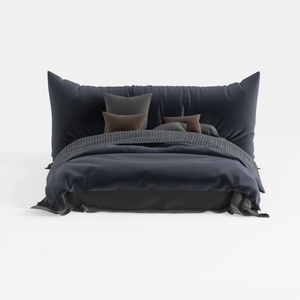

Modern Minimalist Dark Velvet Upholstered Bed 3D Model
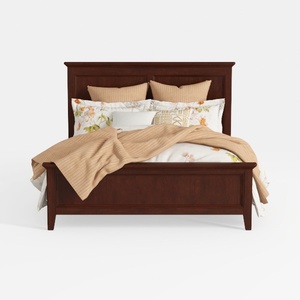
Traditional Walnut Solid Wood Upholstered Bed with Bedding Set 3D Model

Minimalist Solid Oak Round Side Table 3D Model
Looking to transform your space? Discover Homestyler! This intuitive online home design platform offers a user-friendly design tool, stunning 3D renderings, a plethora of inspiring design projects, and helpful video tutorials. Unleash your creativity and turn your ideas into reality effortlessly!
立即免费设计
































