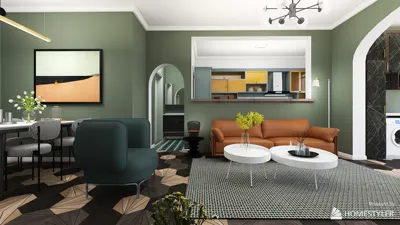


In recent times, neutral color schemes, particularly tan and gray, have emerged as significant trends in the realm of interior design. With more than ten years of experience in the field, I’ve witnessed how compact living spaces can inspire significant creativity. Tan offers a sense of warmth and comfort, while gray introduces an element of calm sophistication. In this article, I'll share ten of my top living room ideas that elegantly incorporate tan and gray, informed by my experiences and backed by expert insights.
1. Soft Minimalist Foundation
My Perspective: I once transformed a 28m² apartment that featured just one window. By opting for soft gray walls and a warm tan sofa, the room felt open yet inviting. We emphasized the textures to communicate the style, avoiding the need for bright colors.
Advantages: A soft minimalist design strategy can create an illusion of spaciousness and reduce clutter, essential for small living rooms. As noted in a Houzz 2023 trend report, lighter neutral backgrounds enhance the reflection of natural light.
Disadvantages: When not complemented with sufficient texture or accent decor, it can come across as dull. Good lighting and various materials are necessary to avoid an overly simplistic aesthetic.
Suggestion: Introduce elements like woven rugs or wooden side tables to enrich depth without losing that serene foundation.
2. Tan Leather Sofa with Gray Walls
My Perspective: During an urban loft project, marrying sleek gray walls with a vintage tan leather sofa provided an exquisite blend of modern and rustic elements. The leather added warmth, beautifully balancing the cooler tones.
Advantages: Leather offers durability and ages gracefully, lending natural texture to a space, while gray walls maintain a contemporary vibe. This combination is especially effective in open-plan living areas.
Disadvantages: Leather can be expensive and requires upkeep to prevent damage. Direct sunlight may also lead to discoloration.
Suggestion: Use a protective finish on the leather to safeguard it from sun exposure.
3. Layered Neutrals with Accent Throws
My Perspective: For a young couple's first home, we layered tan cushions on a deep gray sectional, complemented by cream throws and a patterned area rug. This approach created a visually engaging atmosphere without overwhelming the senses.
Advantages: It’s simple to refresh with the seasons, and mixing different fabrics infuses warmth into a neutral color scheme.
Disadvantages: Over-layering can clutter the look and complicate cleaning.
Suggestion: Group cushions in odd numbers for a curated appearance, and consider how wooden accents can harmonize the warmth within the space.
4. Tan and Gray with Bold Black Accents
My Perspective: I appreciate a little drama in design. In a small living room overhaul, we introduced black frames and a sleek lamp to a tan and gray color scheme. This contrast sharpened the overall aesthetic.
Advantages: Black tones ground the space, enhancing the vibrancy of tan and gray, thus imparting a designer appeal.
Disadvantages: Excessive black can dominate the scene; achieving balance is key.
Suggestion: Restrict black to about 10-15% of the overall color palette for a natural look.
5. Rustic Touches for Warmth
My Perspective: One client in the countryside desired a stronger connection between her gray living room and nature. By adding reclaimed wood shelves and a tan jute rug, we achieved a cozy ambiance.
Advantages: This approach enhances comfort and infuses organic textures into your space, aligning with biophilic design preferences.
Disadvantages: Real wood can be substantial and demands sealing to protect against stains and pests.
Suggestion: High-quality wood veneers can provide a similar aesthetic without the upkeep challenges.
6. Gray Sectional with Tan Ottomans
My Perspective: In a family setting with pets, we complemented a spacious gray sectional with two tan storage ottomans. This setup didn't just ensure comfort; it cleverly concealed toys in style.
Advantages: Multi-functional furniture is great for maximizing space and maintaining tidiness, particularly in smaller homes.
Disadvantages: Ottomans require regular organization; otherwise, they risk becoming cluttered.
Suggestion: Opt for stain-resistant fabrics in high-traffic areas for practicality.
7. Tan and Gray with Pops of Greenery
My Perspective: Plants are my secret weapon in design. In a redesigned city condo, strategically placed plants against gray built-ins and a tan armchair turned the area into a serene oasis.
Advantages: Greenery softens a neutral palette and enhances air quality. Notably, NASA's clean air study revealed that indoor plants can reduce airborne toxins.
Disadvantages: Plant upkeep requires dedication, and artificial plants won’t provide the same benefits.
Suggestion: Choose low-maintenance plants if your lifestyle is busy.
8. Two-Tone Walls
My Perspective: In an open-plan living and dining area, we applied a darker gray on the lower half and a lighter tan above the chair rail. This approach subtly demarcated spaces without physical barriers.
Advantages: This technique is effective for visually segmenting areas while adding architectural interest.
Disadvantages: Precise painting is essential to maintain clean lines.
Suggestion: Removable wallpaper on one half can offer an easy way to refresh the look. Additionally, using Homestyler for layout visualization can assist in color planning before finalizing decisions.
9. Gray Rug as a Base Layer
My Perspective: Neutral rugs are my go-to for unifying a room. In one instance, a large gray rug provided a foundation for a light tan sofa and soft cream walls without appearing heavy.
Advantages: Gray rugs tend to conceal dirt better than lighter shades and effectively anchor furniture arrangements.
Disadvantages: Darker gray rugs may highlight lint, while lighter ones can show stains.
Suggestion: Always use a rug pad to enhance comfort and prevent slipping.
10. Mixing Metals with Tan and Gray
My Perspective: In a recent high-rise project, we integrated matte black light fixtures and brushed brass table legs into a tan and gray living room. The subtle metallic accents added layers of sophistication.
Advantages: Metals can reflect light and contribute a luxurious ambiance; the blending of various metals is currently a fashionable and forgiving trend in eclectic spaces.
Disadvantages: Too many metallic finishes can create a chaotic look; limit yourself to a maximum of 2-3 tones.
Suggestion: Strike a balance by pairing cool metals with warmer tones to complement your tan and gray color palette, and examine how small-space layouts can enhance flow in rooms with mixed materials.
Conclusion
Ultimately, designing a living room with tan and gray is less about restrictions and more about intelligent design decisions. From personal experiences to trends validated by resources such as Houzz and NASA, these suggestions demonstrate that it’s possible to infuse warmth, elegance, and personality into spaces of any size. Which of these ten inspirations are you most excited to incorporate in your home?
Frequently Asked Questions
1. Why opt for tan and gray in a living room?
They strike a harmonious balance between warmth and sophistication, rendering the space versatile and classic.
2. Are tan and gray suitable for small living rooms?
Absolutely, they help create an illusion of space while maintaining coziness, especially when used with mirrors and effective lighting.
3. Which accent colors complement tan and gray?
Soft whites, greens, and blacks are excellent choices, depending on the desired ambiance.
4. Are there economical ways to transition to a tan and gray scheme?
Definitely. Start by updating throws, cushions, and wall decor rather than replacing entire pieces of furniture.
5. How can I prevent a tan and gray living room from feeling dull?
Incorporate layered textures and contrasting decorative elements to invigorate the space.
6. What’s optimal lighting for tan and gray interiors?
Warm LED lighting enhances the warmth of tan, while neutral daylight bulbs suit modern gray tones perfectly.
7. Are tan and gray still fashionable?
Yes, according to the 2023 Houzz report, neutral shades continue to be among the top preferences for living rooms.
8. Where can I find examples of tan and gray room designs with layout ideas?
You can explore various inspirational room planning examples for innovative layouts using platforms like Homestyler.
Discover your dream home with Homestyler! This user-friendly online design platform offers a powerful design tool, stunning 3D renderings, and a wealth of DIY video tutorials. Whether you're a beginner or a pro, Homestyler makes it easy to create beautiful interior spaces that reflect your style.
Desain sekarang Gratis
































