


I have organized and crafted numerous events at the function halls of Shilparamam, running the gamut from heartfelt sangeets to grand corporate celebrations. The venue's unique combination of cultural allure and adaptable space consistently exceeds expectations. My aim is to assist you in curating an event that exudes sophistication and flows seamlessly, emphasizing elements such as layout, lighting, sound, and overall guest experiences from the moment they arrive until the final toast.
Establish the Vision and Attendance Using Data-Driven Insights
Initiate planning with an accurate guest count and a structured timeline, then correlate venue capacity with comfort levels. For formal seated dinners, I allocate approximately 10–12 square feet per guest, while a cocktail-style arrangement allows for 7–9 square feet if movement is effectively managed. Research from Steelcase highlights that the spatial density of an area significantly impacts social interactions and comfort perceptions; ensuring ample space enhances satisfaction in shared settings, preventing overcrowding that compromises elegance. WELL v2 guidelines also stress the importance of adequate circulation and safe egress, informing the required aisle widths and transitions between different areas for a more fluid guest experience.
Let Lighting Choices Be Informed by Industry Standards
Lighting decisions should adhere to established standards. The Illuminating Engineering Society (IES) suggests specific ranges for both ambient and task lighting. For dining, a range of 100–300 lux promotes a relaxed yet visible setting, while higher levels are required on stages to properly illuminate speakers without causing glare. Tailor the lighting to the agenda—ceremonies, speeches, and dancing—to support each segment effectively.
Arrival, Navigation, and Initial Impressions
The first impression begins curbside. Clearly define drop-off points, valet parking areas, and reception locations, utilizing coherent signage and staff support. Wayfinding should be simple yet clear, employing consistent typography and color schemes. For evening events, pathways should be softly lit at 10–20 lux using warm lighting (2700–3000K) to foster an inviting atmosphere while ensuring safety. If you plan to transition spaces during the event, such as moving attendees from the lawn area to a hall, utilize a layout simulation tool like Homestyler to visualize potential crowd bottlenecks and staging areas.
Spatial Organization and Flow Management
The halls at Shilparamam are highly adaptable to multi-zone setups. I typically segment the space into four functional areas: reception, mingling/cocktail, dining, and performance stage. Ensuring a rhythmic flow supports anticipation—short transitions, clear sightlines, and unobstructed pathways are essential. Maintain aisles of 1.2–1.5 m between tables for guests and servers, expanding to 1.8 m along main corridors for wheelchair access or camera equipment. Arrange tables to focus on key areas such as the stage or head table to keep guests oriented as the lighting changes throughout the event.
Create Lighting Layers for Enhanced Elegance
Utilize layered lighting to enhance the evening's ambiance. Ambient lighting should provide comfort, accent lighting establishes hierarchy, and decorative lighting contributes romance. Aim for 100–200 lux for ambient light with dimmable options to soften the atmosphere post-dinner. Higher vertical illuminance should accent the stage and head table while minimizing glare for the audience—proper beam spreads and angles are critical. Warm lighting temperatures (2700–3000K) promote intimacy, whereas cooler tones (3500–4000K) add vibrancy during speeches. Implement IES's glare control strategies—such as shielding and appropriate luminaire placement—to maintain the elegance of the environment.
Focus on Acoustic Comfort and Clarity
Elegance embodies quiet assurance. If hosting live performances or extended speeches, prioritize acoustic considerations: utilize soft textiles, rugs, drapes, and upholstered seating to mitigate reverberation. Position DJs or live bands away from dining areas to minimize sound interference, and set appropriate sound level targets for different zones (dining below 70 dB; dance floors at 90-95 dB maximum but controlled). Avoid parallel hard surfaces without sound diffusion; decorative panels that serve dual purposes are a great option. For ceremonies, ensure clarity of speech with well-placed distributed speakers over a single high-volume unit.
Embrace Color Psychology and Cultural Integration
For daytime events, a gentle neutral palette enhances traditional decor and vivid attire; use accent colors strategically to guide focus—deep maroon or gold near the stage, muted greens in lounge areas. According to Verywell Mind’s insights on color psychology, warm hues often feel inviting and energetic, while cooler shades evoke tranquility. Use these principles to craft specific moments—warm colors for toasts and cooler tones for pre-event lounges. Harmonize cultural motifs with nuance: handwoven textiles, brass accents, and floral details appear luxurious when not overdone.
Dining and Ceremony Layout Techniques
Round tables (60–72 inches) are ideal for social dining, but ensure open pathways for processions. Maintain at least 6–8 meters of clear space in front of the head table or mandap for photographers and rituals. If a rapid room transformation is required, pre-stage furniture on labeled carts and assess the timing using an interior layout planner to enable smooth transitions without overlap among staff.
Stage Setup and Program Flow Management
Elevate the stage modestly for clear visibility, typically 300–600 mm, and adorn it with layered backdrops and tasteful floral arrangements that do not obstruct sight. Keep stairs on both sides for seamless entry and exit. Program transitions should feel fluid and intentional: plan for receptions (45–60 minutes), seated dinners (60–75 minutes), key addresses or performances (30–45 minutes), and dancing (90 minutes). Include buffers, allowing vendors to adjust lighting and audio without abrupt disruptions.
Material Selection and Sustainable Practices
Select materials that convey refinement and perform well under event conditions. Linens with matte finishes minimize glare in photographs; incorporating wood, rattan, and brass adds to Shilparamam’s artisanal heritage. Consider environmentally sustainable options: reusable decor elements, energy-efficient LED lighting, and biodegradable serving ware for outdoor settings. Material libraries, such as Material ConneXion, provide verified sustainable choices and performance ratings to ensure a balance of aesthetics and durability.
Maximize Guest Comfort: Seating, Ergonomics, and Universal Access
Select chairs that promote good posture for lengthy meals; seek ergonomic designs with ample padding. Maintain table heights around 74–76 cm and ensure sufficient clearance for guests. Provide tranquil areas for older guests and families with young children, insulated from music. Following WELL v2’s recommendations for inclusive design, emphasize clear pathways, tactile indicators, and adequate lighting to enhance accessibility; consider these elements as vital parts of the hospitality experience rather than mere compliance.
Coordinating Catering and Service Flow
Elevated service resembles finely choreographed performance: delineate staging areas, manage hot and cold holding, and plan unobtrusive service routes that sidestep the focal line toward the stage. Stagger service to avoid any area experiencing prolonged wait times; synchronize lighting transitions during plate changes to help avert mishaps. For buffet setups, parallel line arrangements and clear labels facilitate efficient service; for plated meals, align waitstaff to table clusters to maintain a rhythm that prevents interference with speeches.
Photography, Videography, and Power Management
Verify power requirements for lighting, kitchen appliances, and multimedia needs. Ensure clear paths for cables and secure them properly. Photographers benefit from balanced ambient lighting and dependable accent spots; avoid overly colored lighting during significant moments. Position the media desk centrally for optimal sightlines to both the stage and dance floor, and schedule a brief rehearsal for lighting to maintain consistent exposure throughout program transitions.
Utilize Outdoor Spaces Effectively
The enchanting outdoor areas at Shilparamam create unforgettable twilight events. String lights combined with lanterns can enhance the atmosphere while ensuring 30–50 lux on dining surfaces. Employ gentle uplighting around trees to establish ambiance, while glare shields help protect guests' eyes. Consider wind factors—secure décor and assess the need for acoustic barriers if music is played outdoors. Have plans ready for insect control during warm months, and provide portable heaters in seating areas during chillier evenings.
Prepare for Contingencies and Ensure Vendor Coordination
Elegance is synonymous with readiness. Develop a rain plan involving sheltered transitions, outline indoor alternative spaces, and brief vendors in advance. Construct a comprehensive run-of-show document detailing timestamps, contact information, and layout plans so all departments—from décor to audio—are aligned. A quick simulation using a room design visualization tool like Homestyler can help validate sightlines, staging, and emergency exit routes.
Budget Wisely for an Elegant Experience
Invest more heavily in lighting and acoustics than conventional templates might suggest; these two aspects subtly shape perceptions of luxury. Cut costs on extraneous decoration by focusing your budget on a few high-impact elements located near focal points. Ensure clarity on venue inclusions—tables, chairs, and basic audio-visual setups—so that rental needs only target items that enhance the overall experience.
Framework References
The key guidelines I depend upon include IES standards for recommended illuminance and glare management, alongside the WELL v2 framework for accessibility and circulation comfort. These frameworks, coupled with practical on-site experience, ensure that events are not only visually stunning but also greatly enhance the guest experience.
Frequently Asked Questions
Aim for 10–12 square feet per guest. By ensuring clear aisles and efficient service routes, you can maintain elegance while avoiding crowding.
For dining areas, target 100–200 lux for ambient lighting, ensuring dimmability. Highlight the stage and key decorative elements to establish visual hierarchy while following IES recommendations to prevent glare.
Use 2700–3000K lighting for warmth and intimacy during dinner, then adjust to 3000–3500K during speeches for enhanced facial clarity.
Utilize distributed speakers at moderate sound levels, incorporate soft furnishings to minimize reverberation, and maintain distance between the DJ or band and dining areas.
For dining, round tables with 1.2–1.5 m aisles work best; maintain a clear 6–8 m area in front of the stage or mandap for photography and rituals. Use an interior layout planner to verify circulation flow.
Absolutely—ensure 30–50 lux on dining tables with warm string lighting, glare-shielded uplighting, and measures for wind and insect control.
Design generous aisles, provide straightforward signage, and tactile guidance where feasible. WELL v2 offers commendable direction for inclusive space planning.
Focus on layered lighting and acoustic comfort; prioritize investment in a handful of high-quality, focal decor pieces instead of broad over-decoration.
Opt for matte linens, warm woods, brass details, and soft fabrics to minimize glare; choose durable, environmentally sustainable options through vetting by Material ConneXion.
Pre-stage furniture on labeled carts, assign a clear crew area for staff, and rehearse with a layout simulation tool to prevent congestion during the event.
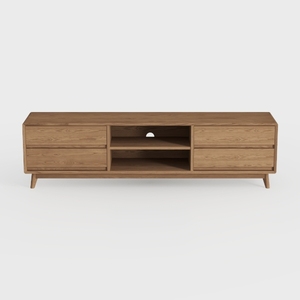
OKD TV Stand for 75+ Inch TV, Mid Century Modern
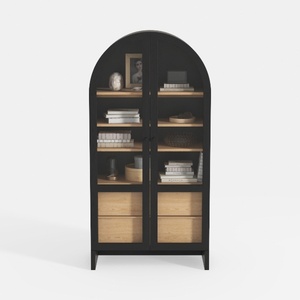
Modern Black Oak Arched Glass Display Cabinet 3D Model

Rustic Rectangular Coffee Table, 44.8 Inch
Homestyler is your go-to online home design platform, perfect for both novices and experienced designers. With its easy-to-use design tool, stunning 3D renderings, and a wealth of DIY video tutorials, you can effortlessly transform your home ideas into reality. Let your creativity shine!
Desain sekarang Gratis
































