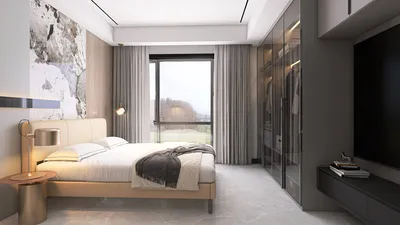


I create dining spaces that feel effortless for everyday meals yet graceful during special occasions. A thoughtfully designed crockery unit, whether it's a compact wall-mounted system or a full-height cabinet, enhances this experience. It should securely hold dinnerware, streamline the journey from the kitchen to the dining table, and elegantly showcase your finest pieces in flattering light. When executed properly, it transforms into a functional work of art: maintaining organization within and a serene appearance outside, inviting gatherings.
The efficacy of a crockery unit goes beyond mere shelving. It encompasses relationships between ergonomics, lighting, and workflow. According to the WELL v2 lighting guidelines, suitable illumination and glare management foster visual comfort and reduce fatigue. For dining areas, aiming for 300–500 lux in standard spaces while highlighting display areas at higher levels enhances texture without harshness. Research from Steelcase indicates that proximity and intuitive access significantly influence usage frequency; in dining settings, this translates into smarter arrangements, such as placing glasses near the water station and platters close to the serving path, effectively reducing steps and stress during entertaining. My designs consider these tangible comfort indicators and behavioral patterns.
Design Principles: Storage That Enhances the Meal
I begin with an analysis of reachable zones. Everyday dinnerware should be positioned between 700–1200 mm from the ground, easy to access without bending; delicate crystal and seasonal decorations are placed higher. Drawer depths of 450–500 mm accommodate dinner plates while ensuring stability. For taller cabinets, adjustable shelves set at 32 mm intervals keep stacks secure as collections grow. Including a slim pull-out next to the main unit provides a quick-access area for napkins, placemats, and utensils, streamlining the table-setting process and reducing clutter.
Wall-Mounted Systems: Streamlined Designs with a Big Impact
In smaller dining rooms, wall-mounted crockery units save floor space and lighten the overall look. Mounting floating cabinets at 450–500 mm above a buffet surface creates a visually appealing layered effect while providing a practical spot for decanters or bread baskets. A narrow grid of 300 mm-deep shelves is ideal for glassware without the risk of tipping. I utilize an interior layout planner, like Homestyler, to visualize door swings, walkway widths, and serving pathways, ensuring that unit doors align perfectly with seated areas.
Sideboards and Buffets: Versatile and Furniture-Forward
A buffet or sideboard with a top height of 750–900 mm also serves as a serving station. I prefer full-extension drawers with soft-close mechanisms, protecting fragile porcelain and allowing for full visibility of contents. For stacked platters, anti-slip liners and 35–40 mm of vertical space per piece are advisable. If you often entertain guests, consider adding a concealed power module in the back for a warming tray, eliminating clutter from wires.
Tall Pantry Units: Maximizing Concealed Storage
Tall pantry units are excellent for maximizing vertical storage. Pair a glass-fronted upper section to display selected items with a lower solid-door cabinet for heavier serving dishes. A pull-out pantry measuring 600 mm wide, equipped with robust side rails and runners rated for 100 kg, can adequately support the weight of casserole dishes. Additionally, include a shallow bay for spices and condiments near the edge of the unit for easy access during family-style meals.
Open vs. Closed: Achieving a Balance Between Display and Tranquility
Open shelving allows for everyday use but requires discipline to maintain order, whereas closed cabinets offer a serene view. I often combine both strategies: lower closed storage for hefty items and open shelves up high for curated collections. If vibrant colors are your passion, group pieces by hue, such as celadon bowls, natural woods, and artisanal glazes. Scientific studies on color psychology suggest that blues and greens elicit feelings of calm and renewal; therefore, a cool-toned display around dining areas can encourage a more relaxed dining atmosphere.
Illuminating the Crockery Unit: Accents That Enhance Without Glare
Proper lighting should enhance texture and detail without creating glare. Edge-lit glass shelves minimize hot spots and generate an ethereal effect. For evening dining, aim for warm lighting around 2700–3000K, while brighter, cooler tones of 3500–4000K suit daytime meals. I typically target 150–250 lux on the display surfaces and 300–400 lux on working areas below, adhering to IES standards for ambient and task lighting. A slim valance discreetly concealing LED strips ensures a low UGR, adjusting to fit the mood of the evening. If your unit is positioned near a window, matte finishes reduce unwanted reflections.
Ergonomics and Human Factors: Safe Handling of Dinnerware
Attention to ergonomics is crucial for handling delicate items. Heavy platters are best stored between knee and elbow height to minimize awkward movements. Shelf lips measuring 8–12 mm prevent items from sliding yet remain unobtrusive. The choice of handles can influence user behavior; for instance, horizontal pulls on drawers promote two-handed opening, reducing sudden jerks, while vertical finger grooves on doors lessen smudging on glass surfaces. Soft-close hinges and damped slides further enhance safety for families.
Materials and Finishes: Durable, Food-Safe, and Easy to Maintain
Opt for finishes that withstand micro-scratches and are easy to clean. High-pressure laminate or robust painted MDF with conversion varnish is ideal for day-to-day use; shelves made from melamine or lacquered plywood offer a good balance between tactile quality and maintenance. If glass is preferred, use tempered panels with polished edges and anti-slip shelf dots. Sustainable choices—like FSC-certified materials and low-VOC coatings—ensure a healthy indoor environment, especially in compact living spaces.
Acoustic Comfort: Quiet Storage for More Peaceful Meals
The sound of dinnerware can resonate throughout the dining area. Using felt-padded dividers, silicone plate separators, and soft-lined cutlery trays diminishes noise. In homes with hard flooring, consider treating the wall behind the unit with micro-perforated panels or textured wood; this effectively diffuses sound without appearing too deliberate.
Smart Layout Solutions for Small Dining Rooms
In tighter spaces, it’s essential to maximize corners and leverage sliding systems. A 45-degree corner cabinet with bifold doors can prevent the creation of dark, unused areas. Sliding glass doors minimize conflicts with chair backs. Maintaining a minimum circulation of 900 mm around the dining table is ideal, but you can compact it to 750 mm in smaller homes while prioritizing the pathway from the unit to the table. Utilizing a layout simulation tool like Homestyler ensures that furniture, including chairs and cabinet doors, does not occupy the same space.
Styling and Display: Creating Rhythm and Visual Harmony
Effective display relies on rhythm. Stack plates in odd numbers, vary the heights with risers, and ensure each shelf has a breathing space of 20–30 mm. Incorporate soft materials—like linen, rattan, or wood—to balance out glass and ceramics. Consider maintaining one shelf for functional purposes to avoid overwhelming aesthetics. A standout piece, such as a vase or sculptural pitcher, can form a focal point and guide the shelf arrangement.
Features for Stress-Free Hosting: Serve with Ease
Consider staging logistics: a pull-out shelf at a height of 1000–1050 mm can serve as a temporary space for plating. Concealing a small waste bin behind one of the doors facilitates quick cleanups. If you pour drinks next to the unit, a drip tray and a wipeable, heat-resistant surface can be integrated. Arrange frequently used items within a close triangular setup of plates, cutlery, and glassware, all within two steps of the table's edge to minimize movement and keep conversations flowing.
Trends for 2024-2025: Subtle Luxury and Genuine Functionality
Current trends showcase slimmer frames, ribbed wood fronts, and bronze finishes alongside muted neutrals. Integrated lighting design is shifting from visible strips to concealed micro-optic solutions. Mixed materials—such as stone surfaces atop wooden cabinets—enhance durability while maintaining an attractive aesthetic. Sustainability has become essential; clients increasingly request woods with traceability and repairable hardware. The overall appearance is understated yet calculated in its storage efficiency.
Installation and Safety: Essential Details to Consider
Secure wall units to studs rather than relying solely on drywall. Implement anti-tip straps on taller cabinets, especially in homes with children. Always check hinge clearances before finalizing finishes; even a slight misalignment can chip lacquer. Use soft bumpers for glass doors to prevent noise from regular use. Finally, ensure all lighting is low-voltage and UL-approved, with ventilated drivers and accessible dimmers.
Frequently Asked Questions
Most dinner plates are comfortably accommodated on shelves measuring between 300–350 mm in depth; drawers with a depth of 450–500 mm allow for stacking while ensuring safer access.
Warm white lighting at 2700–3000K is ideal for evening dining, whereas 3500–4000K is suitable for daytime use. Managing accent light to minimize glare is essential; adhere to IES recommendations for layering ambient and task lighting.
Yes, but in moderation. Combining lower closed storage for bulkier items with a few open shelves for accessible everyday pieces maintains tranquility while providing easy access to frequently used kitchenware.
High-pressure laminate, melamine, and lacquered plywood are durable choices. Consider employing felt or silicone separators for delicate china to minimize micro-abrasion.
Utilize felt-lined dividers, silicone plate spacers, and soft-close mechanisms. For noise reduction, treat the backdrop with textured or micro-perforated panels.
Aim for heights of 750–900 mm; this range supports comfortable plating and can serve as a convenient serving station.
In compact areas, sliding doors help avoid clashes with chair backs. Hinged doors work well in larger spaces, providing full opening access.
Arrange plates, cutlery, and glassware in a compact triangle close to the table. Use a slim pull-out for napkins and placemats. Employ an interior layout planner to optimize routes and minimize steps.
Direct sunlight may cause fading. To mitigate this, consider using low-iron tempered glass with UV filter film or positioning the unit away from intense light; using matte finishes on interiors further reduces reflections.
Absolutely. Retrofit low-voltage LED lighting with concealed valances and dimmable drivers. Always ensure proper ventilation for drivers and verify their UL listings.


Homestyler is your go-to online home design platform, perfect for unleashing your creativity. Utilize its user-friendly design tool, explore stunning 3D renderings, dive into inspiring design projects, and watch helpful DIY tutorials. Transform your home design dreams into reality with ease!
立即免费设计
































