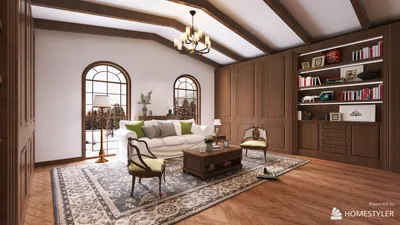


Creating an efficient design for small kitchen windows requires clever solutions that diffuse glare, maintain privacy, and let in productive daylight without causing visual clutter. In my designs, I emphasize the importance of light control, easy-to-clean materials, and sharp proportions, turning the window into a bright and functional highlight, rather than an overlooked detail. Utilizing tools like Homestyler can greatly aid in visualizing these elements.
Natural daylight is not just a design feature; it greatly impacts alertness and overall mood. The WELL v2 Light framework encourages ensuring access to natural light alongside glare management for occupant well-being, while recommendations from IES suggest the kitchen prep areas should receive around 300–500 lux for optimal visual clarity. Additionally, studies indicate that colors can influence both appetite and mood; warm colors tend to create inviting spaces but can heighten energy levels—these should be used judiciously near work areas where glare might be an issue. For those interested in parallels with workplace dynamics, research by Gensler consistently demonstrates that harnessing controlled daylight along with improved visual comfort leads to enhanced performance—a principle that is just as relevant in the kitchen. For comprehensive guidelines regarding light and health, refer to resources available from WELL Certification at v2.wellcertified.com.
Considerations Prior to Selecting Treatments
When choosing treatments, I consider three primary factors: moisture and grease levels, visual lines, and the frequency of cleaning required. Small kitchens typically generate significant steam and airborne grease, so the materials selected must either be removable and washable or naturally resistant. Sightlines are crucial; even a small window can frame an unwanted view, so translucent options can provide light while maintaining privacy without creating the sensation of being on display. Additionally, cleaning should be quick and effortless to ensure that the treatments remain cared for.
Sleek Roller Shades: Minimal Footprint, Maximum Control
For tight kitchen spaces, low-profile roller shades are a top choice. Opt for moisture-resistant and easily wipeable materials with a matte finish to minimize glare. Light-filtering weaves with a 3-5% openness maintain daytime privacy while ensuring work areas remain illuminated. Mount the shades inside the jamb to safeguard the surrounding tile backsplashes and to keep the sill unobstructed for herbs or small kitchen gadgets, and consider cordless or continuous-loop designs for a tidy and safe look.
Top-Down/Bottom-Up Cellular Shades
Cellular shades, or honeycomb shades, are excellent for softening contrast and diffusing light. The top-down option offers privacy at the bottom while letting in light from the top. Search for shades with single or double cells that feature stain-resistant coatings; the cellular design also helps reduce minor street noise and improves thermal comfort, which is particularly beneficial for windows situated near cooking areas or sinks. Make sure to keep the stack height minimal to prevent overwhelming small window frames.
Micro-Café Curtains with Tension Rods
For a timeless kitchen ambiance without the heaviness, mid-height café curtains allow for privacy while letting light flow in from the top. Utilize tightly woven linen blends or performance polyester with a subtle texture to help conceal stains. A tension rod can preserve the integrity of tile and allows for easy removal and washing of the panels. If your design creates sightlines directly to the window, consider pairing café panels with a narrow valance to obscure hardware and soften the overall appearance.
Frosted Films and Patterned Privacy Vinyl
In situations where space is limited or splatters are a concern, adhesive films provide instant privacy and light diffusion without adding bulk. Select high-translucency frosts for general usage, or consider striped/gradient films to manipulate the daylight entering your kitchen. If flexibility is key, apply films only on the lower sash, leaving the upper section clear for sky views, making this solution ideal for areas behind sinks or where swinging hardware might interfere with faucet spouts.
Wood and Faux-Wood Blinds
Wooden blinds offer precise control over light angles. In kitchens with high humidity, faux-wood options are excellent as they resist warping and are easy to clean. Position the slats to guide daylight upward, reflecting light off the ceiling to create a softer illumination across countertops. Choose a slim headrail and coordinate the finish with cabinet hardware to maintain a seamless look in compact spaces.
Roman Shades with Performance Liners
If you seek softness without excessive bulk, flat Roman shades made from performance materials are a great solution. A light-filtering liner helps maintain the silhouette while lessening harsh contrasts. Installing them just above the frame elongates the window visually and reduces clutter on the sill. Avoid heavy pleats; instead, opt for a relaxed or flat profile to preserve sightlines and facilitate easier cleaning.
Woven Woods and Natural Textures
Woven wood shades introduce warmth and a sense of organic rhythm into the space. In small kitchens, select tighter weaves that come with integrated liners to avoid pinhole glare. Balancing the warm tones of wood with cooler countertop materials, such as quartz or stainless steel, achieves a visually pleasing contrast; if your color palette is bright, a medium-tone bamboo or jute can provide a grounding effect without dimming the overall ambience.
Sheers and Layered Solutions
Layered treatments offer flexibility: pair sheer roller shades for daytime light filtering with a secondary blackout panel if the kitchen connects to a sleeping area. Keep the mounting compact, and align the hem bars with appliance finishes for a cohesive appearance. It's important to adhere to the IES principle of glare control by gently reducing high luminal contrasts with soft sheer layers without flattening the view.
Hardware and Proportions: Making Small Look Considered
Proportions are essential in small spaces. A shade that extends over the frame by about 1–1.5 inches (in an outside mount) can hide flaws, while inside mounts help preserve the integrity of the millwork. Use low-profile brackets and ensure there is a clearance of 2–3 inches above any faucet. If the window opens inward, select treatments that will not obstruct the sash or consider using fixed film solutions.
Color Psychology and Palette Strategy
Colors can significantly influence behavior. According to Verywell Mind’s analysis of color psychology, warm hues can create an atmosphere of energy and social engagement, while cool tones instigate calmness and focus. In compact kitchens, I prefer neutral, low-saturation fabrics (like soft greige, bone, and pale stone) that won't alter the color of food. If you wish to introduce color, reserve it for trim or hem accents—less visible area means less glare.
Material Performance and Cleanability
When selecting materials, prioritize finishes that are moisture-resistant and easy to clean: think vinyl-coated fabrics, solution-dyed acrylics, composite slats, and removable cotton-linen blends with tight weaves. Heavy drapery should be avoided near cooking zones. If you enjoy fabric textures, ensure that panels are detachable and machine-washable. Matte hardware can conceal fingerprints better than polished surfaces.
Acoustics and Behavioral Comfort
Kitchens with hard surfaces amplify sound; soft window treatments can modestly absorb higher frequencies, enhancing the perception of quiet during hectic meal preparation times. Cellular shades, gentle Roman options, and layered sheers can make a noticeable improvement, especially in smaller studios where the kitchen and living areas are adjacent.
Layout Considerations: Protecting Workflow
Window treatments should never hinder access or conflict with cabinet doors. Ensure that window-level appliances like sinks, dishwashers, or trash pull-outs are clear of cords, chains, or fabric stacks that could disrupt ease of movement. Utilizing a room layout tool can quickly aid in simulating various mount placements while planning for line-of-sight and clearance.
Glare Management: Practical Tactics
To manage glare effectively, consider this process: identify the peak times when glare becomes most intense; select a fabric openness that mitigates brightness (3–5% for strong sunlight, 10% for gentler light); angle slats upward to reflect light away; utilize a matte or textured fabric to minimize glare; and keep reflective finishes, like high-gloss tiles, away from direct light exposure.
Budget and Sustainability
When dealing with small windows, it's wise to keep investments within reason—prioritize quality hardware that will provide reliable performance. Look for OEKO-TEX certified materials or composites made from recycled content. Opting for durable materials can minimize waste and replacement needs; natural woven woods, sourced sustainably from bamboo, offer an eco-friendly choice as long as moisture levels are managed appropriately.
Installation Tips for Tight Frames
For interior mounts, measure three widths (top, center, bottom) and three heights (left, center, right), and use the smallest measurements. If working with tile surrounds, masonry anchors should be used while avoiding grout seams. If drilling is not an option, consider using tension systems and adhesive films as alternatives. Always confirm that there is sufficient clearance for handles, spouts, and open sashes before settling on hardware choices.
FAQ
Faux-wood blinds, moisture-resistant roller shades, and adhesive privacy films are excellent choices. They hold up well against humidity and are easy to clean.
For effective glare management, consider using light-filtering roller shades with a 3–5% openness or top-down cellular shades. Angling blinds upward is another tactic to reflect light off the ceiling, aligning with IES glare control practices.
Absolutely, using washable performance fabrics along with a tension rod ensures things remain tidy. Keep the hem above splash level and wash the panels regularly for upkeep.
Choosing low-saturation neutrals like bone, pale stone, or soft greige helps avoid strong color casts. You can incorporate warm highlights in trim accents while maintaining neutral larger areas.
Flat or relaxed Roman shades with performance liners offer a practical option. Choose styles with minimal stacking height and removable covers for easier maintenance.
To ensure privacy while maintaining light flow, consider top-down cellular shades or partial frosted films applied to the lower sash.
Cordless roller shades or continuous-loop systems with secure tensioners are ideal. It's important to avoid dangling cords that could pose hazards around handles or cookware.
Soft treatments, such as cellular shades or layered sheers, can effectively absorb some of the high-frequency sounds, enhancing the overall comfort in kitchens with hard surfaces.
Select woven wood shades constructed from sustainably sourced bamboo or recycled composite materials. Pair these with durable hardware to prolong their lifespan.
Inside mounts help safeguard the look of millwork lines while keeping a compact design. Outside mounts can conceal uneven frames and enhance light-blocking abilities, making them ideal for shallow jambs.


Homestyler makes home design a breeze with its user-friendly online tool. Dive into stunning 3D renderings, explore countless design projects, and follow engaging DIY video tutorials to effortlessly transform your space into your dream home. Ideal for both novices and seasoned designers!
Progetta ora GRATIS
































