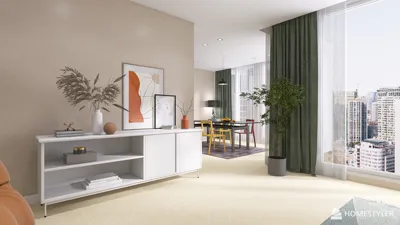


As we look ahead, the dynamics of India’s 300 sq yards plots seem poised to function like advanced operating systems—efficient, attuned to natural light, and responsive to our connectivity needs. Recent insights from the NAHB indicate a growing tendency toward adaptable layouts rather than mere square footage, highlighting the significance of design interfaces. In this east-facing ground floor, the house plans for 300 sq yards in India create an ideal environment that promotes morning warmth, energy efficiency, and seamless living. Leveraging tools for spatial reasoning has never been more crucial.
Courtyard Spine + Split Living
Design Concept: An entryway illuminated by morning light leads into a mid-courtyard, effectively separating formal living areas from family lounges, thereby preparing for varied social needs such as hosting guests, accommodating aging relatives, and facilitating hybrid work schedules.
Flow: The movement from entry → vestibule → formal living (front) / courtyard (center) → family lounge → dining-kitchen → back utility is designed to minimize cross-traffic delays, ensuring a smooth transition between spaces.
Sightlines: The design creates a layered experience from the entrance to the courtyard and dining area, crafting a series of privacy gradients that enhance comfort as one moves from the street to the inner garden, tied together with cues from the rising sun.
Storage: Strategically placed console walls, under-stair storage, a pantry alcove, and built-in niches help maintain organization while preventing clutter from disrupting visual appeal.
Furniture Arrangement: Sofas should ideally be between 900–1000 mm in depth, with a clear area of 2400 mm in the living room, and a dining space accommodating 6–8 seats within a defined 3600 x 3000 mm zone; this approach treats furniture as efficient interfaces in the layout.
Conclusion: Harnessing morning light energizes the central social area, while the courtyard serves as a thermal shield; this design has the potential to function as a quiet algorithm for family dynamics over time.
save pin
L-Shape Kitchen + Rear Utility Dock
Design Concept: An east-facing ground floor layout calls for an L-shaped kitchen located in the northeast corner, complemented by a rear utility area designed for laundry, water filtration systems, and the efficient handling of deliveries—all while keeping future logistical needs in focus.
Flow: The route from the dining area → L-kitchen → rear utility → service door creates a streamlined pathway that separates food preparation from guest traffic, ensuring chores remain out of the social sphere.
Sightlines: The design allows for controlled views; there’s a partial sight line from the dining area to the cooktop and a full view of the courtyard, all while minimizing visual distractions that might disrupt the cooking experience.
Storage: A combination of 600 mm base cabinets, 450 mm tall units, a vertical broom closet, and a 900 mm deep bulk pantry creates organized storage for special occasions and daily essentials.
Furniture Arrangement: An island measuring 1800 x 900 mm (space permitting) with an integrated breakfast bench; appliance placements are meticulously planned to avoid clashing with doors and pathways.
Conclusion: This kitchen layout functions like a procedural framework—managing inputs, cooking actions, and outputs—keeping heat and smells contained as urban living intensifies.
save pin
Front Suite + Rear Flex Room
Design Concept: A front suite shielded from street noise provides comfort for elder residents, while a flexible rear room adapts to serve various purposes such as an office, nursery, or studio—embracing the evolving codes of multi-generational living.
Flow: The movement from vestibule → front suite → courtyard spine → rear flex room → shared bath → garden perimeter ensures minimal disruption between quiet and sociable areas.
Sightlines: Softly rounded views towards greenery establish a welcoming atmosphere, with no direct visuals onto the street; boundaries are designed as gentle transitions, offering privacy without feeling isolated.
Storage: Wardrobes with depths of 600 mm, headboard shelves, under-bed storage, and linen cabinets positioned near the shared bath help maintain an organized living space.
Furniture Arrangement: The dimensions for a bed of 1800 x 2000 mm with side aisles of 750 mm, a desk unit at 1200 mm, and space for a lounge chair create a layout that optimizes daily movement.
Conclusion: The front suite alongside the flexible room are designed with future adaptability in mind, allowing family routines to evolve gracefully as they encounter changing life cycles.
save pin
Final Insights
The east-facing 300 sq yards house plans in India reach their peak functionality when the ground floor operates as a serene interface: with light flooding in at the front, the courtyard acting as a central hub, and utility tasks organized at the back. This blueprint is tailored for urban futures, transcending mere architectural sketches; the design, storage solutions, and furniture configuration collectively refine the essence of everyday living. In my observations, the homes of tomorrow won't necessarily increase in size—they'll focus on intentional, purposeful design, and I am enthusiastic about advancing in this direction with tools like Homestyler.
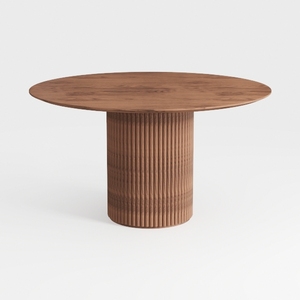
43.3''-59'' Extendable Round Dining Table for 4, M

Minimalist Solid Oak Square Dining Table 3D Model
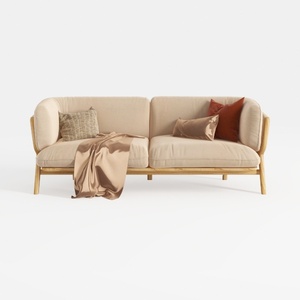

Minimalist Solid Wood Linen Fabric Loveseat Sofa 3D Model
Homestyler is your go-to online home design platform, offering a user-friendly design tool that transforms your ideas into stunning 3D renderings. Explore a diverse range of design projects and enhance your skills with engaging DIY video tutorials. Bring your dream space to life effortlessly!
立即免费设计
































