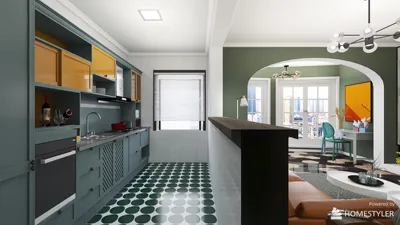


I had a client who humorously mentioned that their jackets felt lonely in a little walk-in closet, prompting them to consider heating it. We ended up devising a more efficient solution together, incorporating some tips for heating small spaces into the design, illustrating how minor changes can impact energy costs. This is where the benefits of tools like Homestyler can be highlighted, as they help visualize these ideas.
Navigating small spaces encourages creative thinking, offering considerable savings for those who choose wisely. In this article, I’ll share five practical suggestions drawn from actual projects, helping you assess whether a small space heater consumes a lot of electricity and what measures you can implement.
1. Understand wattage: 1,500W is a common standard
Most portable electric heaters typically range from 1,200 to 1,500 watts. This translates to roughly 1.2 to 1.5 kW, which means that running one at full capacity for an hour uses about 1.5 kWh. While that’s not outrageous, costs can accumulate rapidly if left on overnight. One client of mine in a studio apartment treated their heater as though it was central heating, resulting in a shocking bill the following month — I even had to provide tissues!
save pin
2. Utilize timers and thermostats to minimize waste
Operating a heater without a thermostat is akin to cooking without a timer — you're bound to overuse it. Contemporary heaters equipped with accurate thermostats and programmable timers significantly reduce running time. Although this might involve a slightly higher upfront investment, my clients often see a return on this cost within a season when they commit to programming them.
save pin
3. Choose the correct heater type for your space (ceramic, oil-filled, infrared)
Ceramic heaters quickly heat the air, making them ideal for instant warmth; oil-filled radiators maintain heat for longer periods, better suited for continuous warmth; and infrared heaters directly warm people and objects, making them perfect for compact areas. Selecting the right type not only minimizes running time but also reduces expenses, though you may need to compromise speed for enduring warmth based on your choice.
While rearranging furniture, consider how energy-efficient layouts in small rooms can alleviate cold drafts and facilitate your heater’s function effectively.
save pin
4. Consider placement and insulation more than you might think
Positioning a heater behind a couch or close to drafty doors results in energy waste. Ensure that the unit is placed in common sitting areas, seal any drafts, and think about incorporating a rug or thermal curtains to decrease the necessary wattage. After moving a small heater and adding a door sweep to one of my clients’ setups, they reported warmer feet within a day and observed that the heater operated less frequently after that change.
save pin
5. Implement zone heating: warmth for human-centered spots rather than entire rooms
When designing for small spaces, I often create 'heat zones' around key areas like desks, seating, or beds, which means only the areas being used are heated. This practical method can lead to significant cost savings. However, it does require a shift in behavior: accepting cooler temperatures in less-used spaces in exchange for lower utility bills. To quickly visualize various placement options, I frequently utilize 3D layout software like Homestyler, which helps clients visualize their choices better.
save pin
Tips 1:
A quick budget assessment involves multiplying the heater's wattage (in kW) with your electricity rate ($/kWh) to determine the hourly cost. For instance, a heater rated at 1.5 kW running at $0.13/kWh would cost around $0.195 per hour. Adopting small habits—like shorter heating sessions and eco mode settings—can lead to real savings over the month.
save pin
FAQ
The costs are dependent on wattage and how long the heater operates. Typically, portable heaters consume between 1.2 to 1.5 kW; if used at full power for extended periods, they can noticeably increase utility bills, whereas short, targeted usage remains affordable.
Convert the wattage to kW (1500W = 1.5 kW) and multiply by your electricity rate. At $0.13/kWh, 1.5 kW × $0.13 equals approximately $0.195 per hour.
For heating a specific area, space heaters can prove to be more efficient than heating the entire house, though for extensive heating needs, central systems generally perform better.
No heater will magically consume less power when operating at full capacity — wattage determines this. That being said, oil-filled heaters tend to maintain warmth longer while infrared heaters can provide greater perceived warmth to users, causing them to run for shorter durations and feel more efficient overall.
Many of the new-age heaters come equipped with safety features, but it is advisable to choose models that include automatic shutoff, tip-over protection, and built-in thermostats. Additionally, ensure the heaters are not left unattended near flammable materials.
Enhancing insulation, sealing drafts, utilizing timers and thermostats, lowering set points, and only heating occupied areas can lead to substantial reductions in heater operation time. Small design changes can significantly enhance efficiency.
According to the U.S. Department of Energy, using portable electric heaters as primary heat sources can be costly. For practical guidance, their energy.gov resources are invaluable: https://www.energy.gov/energysaver/heating-cooling/space-heaters.
Absolutely. Smart heating controls allow for scheduling and automation, enabling heaters to operate only when necessary. While they may increase complexity and initial costs, many of my clients report reductions in their energy bills and greater control post-installation.
save pin
Homestyler is your go-to online home design platform! With its user-friendly design tool, stunning 3D renderings, and a wealth of inspiring design projects and video tutorials, you can effortlessly create and visualize your dream spaces. Transform your home design journey today!
Design Now for FREE
































