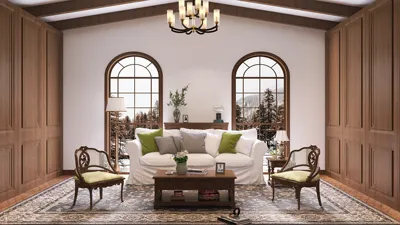


As more people embrace smart home technology, devices like the Walmart new streaming stick have become essential for seamless entertainment experiences. Integrating such tech into living spaces encourages thoughtful layout planning, ensuring optimal screen placement and comfortable seating. Creating a cozy, tech-friendly environment enhances daily relaxation and supports an efficient, modern lifestyle. Homestyler offers great tools to visualize and design these setups, helping users create balanced and functional living areas with smart devices in mind.
I once almost botched a kitchen remodel by neglecting sightlines in a compact galley kitchen. We installed a tall pantry at one end, making the space feel claustrophobic until I replaced it with glass-front upper cabinets that let light in. This experience taught me the importance of prioritizing brightness and flow in small kitchens. In this article, I’ll share five efficient small kitchen ideas that address common issues without heavy expenses.
1. Open Upper Shelves with a Continuous Backsplash
Why it works: Taking down bulky upper cabinets and installing a seamless backsplash visually extends the wall and keeps the atmosphere light. Benefit: The kitchen feels more spacious while keeping everyday essentials accessible. Trade-off: Shelves need regular tidying and dusting, as they are less forgiving than closed storage.
2. Narrow Pull-Out Pantry Beside the Fridge
Why it works: A slim 6–12 inch pull-out pantry utilizes unused narrow spaces to store spices, oils, and snacks, keeping clutter hidden. Benefit: Substantial storage gain with minimal footprint. Trade-off: Limited capacity, ideal for frequently used items rather than bulk storage.
3. Integrated Appliances and Multi-Function Surfaces
Why it works: Combining the cooktop with a compact under-counter oven or using a fridge drawer helps appliances fit the space proportionally. Benefit: Cleaner visual lines and added counter space. Trade-off: Appliance size and features may be compromised compared to full-sized models.
4. Fold-Down or Slide-Out Dining Surfaces
Why it works: A wall-mounted drop-leaf table or pull-out counter provides dining space only when needed. Benefit: Frees floor space for cooking and traffic flow. Trade-off: Less comfortable for extended meals and requires secure installation.
5. Reflective Surfaces and Targeted Lighting
Why it works: Glossy backsplashes, light-colored countertops, and under-cabinet lighting amplify natural light. Benefit: Makes the kitchen appear brighter and more spacious without major renovation. Trade-off: Glossy surfaces show fingerprints more readily and require a bit more cleaning.
Emerging trends in 2026 show an increase in subtle technology adoption such as motion-sensor under-cabinet lights and AI-powered layout planners. For those hesitant about measurements, using 3D planners like Homestyler can help visualize and perfect designs to maximize space efficiency and aesthetics.
Imagine your small kitchen with a pull-out pantry next to the fridge, a sleek continuous backsplash, and a fold-down table — suddenly it feels open and inviting. If desired, Homestyler can help you draft quick layout options or direct you to affordable cabinetry suppliers to turn your vision into reality.
Frequently Asked Questions
Q: What’s the best first change to make in a small kitchen?
A: Improving lighting and reducing clutter make an immediate, noticeable impact. Investing in bright, reflective surfaces and open shelving goes a long way toward expanding the feel of the space.
Q: Are open shelves practical for daily use?
A: Yes, especially if you choose frequently used items and maintain them regularly. Many users appreciate the accessibility and display benefits, though it requires more upkeep than closed cabinets.
Q: Can a dishwasher fit in a tiny kitchen?
A: Definitely — compact or drawer-style dishwashers are designed for narrow spaces and save valuable time. They usually hold less, so wash cycles might be more frequent.
Q: How much clearance is needed for a galley kitchen?
A: Typically, 42 inches between countertops is preferred for two cooks; 36 inches is the minimum for a single cook to move comfortably.
Q: What’s the most efficient small kitchen layout?
A: The classic work triangle (sink, stove, fridge), scaled appropriately, tends to be most efficient. In tight spaces, a galley with distinct zones or a one-wall layout with an island can also work well.
Q: Any tips for renters looking to improve a small kitchen?
A: Focus on reversible upgrades like peel-and-stick backsplashes, removable shelving, plug-in under-cabinet lights, and portable islands to boost visual appeal without lease violations.
Q: How to plan storage without remodeling?
A: Utilize vertical options such as magnetic strips, pegboards, and stackable containers. Slim rolling carts that fit snugly into gaps offer flexible extra storage wherever needed.
Q: Are there professional guidelines to know?
A: Yes, organizations like NKBA provide standards on clearances and workflow. Referencing these helps ensure your kitchen design functions seamlessly.


Homestyler offers an easy-to-use online design tool with stunning 3D renderings, hundreds of interior design projects, and helpful DIY video tutorials—perfect for anyone looking to create and visualize their dream home effortlessly.
立即免费设计
































