


Efficient Laundry Room Workflow Optimization
Optimizing the workflow in your laundry room involves arranging all tasks—such as washing, drying, lint removal, folding, and storage—along a streamlined and logical path that minimizes unnecessary steps. By positioning lint bins, folding areas, and storage close to the dryer and exit, households can significantly reduce movement and interruptions. Even small changes in layout can lead to notable time savings, especially in busy family homes.
Quick Insights and Practical Tips
Understanding Workflow Challenges in Laundry Spaces
After assisting numerous families with designing their laundry rooms, a common issue emerges: the space often has the necessary appliances and storage, but the layout impedes efficiency. People frequently have to walk back and forth, causing workflow disruptions.
Optimizing the pathway within the laundry area can transform the experience. If the lint bin is far away, folding space is inadequate, or storage is scattered, laundry tends to become a fragmented task full of interruptions rather than a seamless process.
Recent home projects involved mapping every movement—from loading the washer and transferring clothes to the dryer, removing lint, folding, sorting, and storing. The inefficiencies were usually linked to poor spatial arrangement rather than appliance performance.
Visualizing different layout options before making changes can highlight bottlenecks in the workflow. Utilizing tools like Homestyler allows you to experiment with various configurations and find the most efficient setup for your space.
This guide will explore actionable steps to enhance your laundry room's flow, covering everything from lint bin positioning to storage solutions based on effective real-world designs.
Enhancing Laundry Room Design for Maximum Efficiency
Central Principle: The smoothest laundry rooms follow a linear workflow moving in one direction—washing, drying, folding, then storing.
In many homes, the workflow is circular or disorganized; for instance, the washer may be on one wall, folding surfaces behind you, and storage on the opposite side, causing repeated walking across the room.
Professional layouts simplify this by placing each task directly adjacent to the previous one, eliminating unnecessary steps.
When the five essential components—washer, dryer, lint bin, folding area, and storage—are arranged sequentially, laundry becomes almost automatic.
In one example from a household of five in Pasadena, simply relocating the folding counter next to the dryer shaved nearly an hour off weekly laundry time. This improvement was due to reduced movement rather than faster machines.
Where to Position the Lint Bin for Ease and Safety
Expert Advice: The optimal lint bin location is immediately beside or mounted above the dryer door.
Many underestimate how frequently lint removal interrupts the task. Without a nearby bin, lint often ends up on countertops, in pockets, or discarded improperly, risking mess and hazard.
Recommended lint bin sites facilitate quick disposal upon lint removal, promoting a tidier routine.
Fire safety authorities, like the U.S. Fire Administration, warn that accumulated lint is a significant fire hazard. Immediate disposal is a crucial design consideration to maintain safety.
Integrating Lint Disposal with Waste and Recycling Stations
Insight: Combining lint disposal with general waste and recycling units helps keep the space clutter-free and eases routine cleanup.
Laundry areas generate diverse waste like detergent packaging, fabric softener sheets, tags, and lint, making organized disposal essential.
Effective waste stations often consist of a consolidated cabinet or pull-out drawer system that enhances cleanliness and simplifies maintenance.
When planning cabinetry, homeowners find value in using quick floor plans to ensure bins fit well. Even a small difference in spacing can impact how comfortably waste containers function.
Minimizing Interruptions through Smart Layout Planning
Key Point: Interruptions mostly occur when chores require turning around frequently or crossing the room repeatedly.
Research identifies three common interrupting tasks and proposes layout tweaks to minimize these disruptions.
One common mistake is relying on removable folding boards or makeshift tables that disappear when needed, causing clothes to pile up.
Maximizing Productivity with Strategic Storage
Storage that is thoughtfully placed reduces decision fatigue during repetitive laundry tasks.
It’s not about adding more cabinets but about situating essential items exactly where they will be used.
Popular storage enhancements include built-in organizers and designated spaces that streamline the process.
According to the National Association of Home Builders, integrated organization is among the most popular improvements sought in modern laundry rooms.
Optimizing Compact Laundry Spaces
Small laundry rooms often benefit the most from intentional workflow design, turning limited space into efficient zones.
Strategies for small-scale efficiency include vertical shelving, stacking appliances, fold-down counters, and wall-mounted lint bins.
Before remodeling, visualizing the entire layout with a 3D rendering tool like Homestyler helps detect spatial issues early and plan cabinet depth, appliance clearance, and folding areas effectively.
Summary and Takeaways
The most effective laundry room workflows position washer, dryer, lint disposal, folding surfaces, and storage in a direct, logical sequence. Keeping a lint bin close to the dryer and maintaining a permanent folding station significantly cuts down interruptions in busy households.
Frequently Asked Questions
1. What does optimizing laundry room workflow entail? It involves arranging appliances, folding areas, and storage so tasks progress logically with minimal unnecessary movement.
2. Where is the best place for a lint bin? Right next to or above the dryer door for immediate access and disposal.
3. How can busy families make laundry quicker? By creating a clear path, ensuring a dedicated folding space, and keeping lint disposal and laundry baskets near the dryer.
4. What is the ideal laundry room layout? A straight-line setup ordering washer, dryer, folding zone, and storage maximizes workflow.
5. How to organize small laundry rooms? Utilize vertical shelving, stackable machines, fold-down counters, and mounted lint containers to maximize efficiency.
6. Is having a folding area important? Absolutely; without it, clothes often accumulate in piles, disrupting workflow.
7. What are ideal folding counter dimensions? A depth between 30 and 36 inches and a width at least matching the dryer size facilitate comfortable folding.
8. Why prioritize lint management? Proper lint disposal enhances safety, reduces mess, and keeps the laundry flow smooth.
References
U.S. Fire Administration – Guidelines on Clothes Dryer Fire Safety
National Association of Home Builders – Trends in Home Design
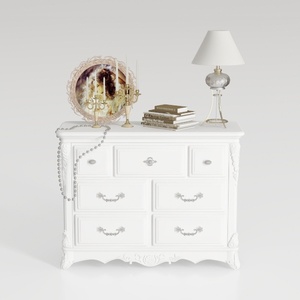

French Style White Solid Wood Dresser with Carved Details 3D Model
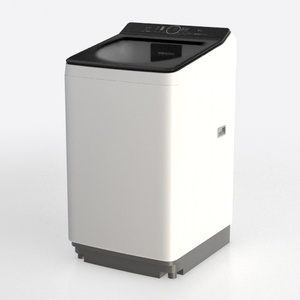
Giantex Portable Washing Machine, 21lbs Capacity

Furinno Fulda 3-Tier Space Saving Storage Shelf Bo
Homestyler is an easy-to-use online home design platform offering powerful 3D rendering, a vast collection of design projects, and helpful DIY video tutorials. It’s perfect for bringing your interior decoration ideas to life with confidence and creativity.
今すぐ无料でデザイン
































